Concerns rise over perceived favoritism towards Argentina in World Cup
Perception of Bias in World Cup Matches
The FIFA World Cup 2026 has seen Argentina become a focal point of discussion, with a growing sentiment among fans that the team benefits from controversial decisions. This perception has led to significant criticism, particularly on social media, suggesting that key moments in matches have consistently favored the defending champions. The narrative circulating among supporters of rival nations is that FIFA desires Lionel Messi and Argentina to advance as far as possible in the tournament.
This debate is not new, with critics often referencing the Qatar 2022 World Cup. During that tournament, Argentina was awarded five penalties, which was the highest number given to any single team. While some argued these decisions were justified, others viewed them as evidence of a pattern where crucial calls consistently went in favor of the Albiceleste.
The current tournament has seen these discussions resurface. Following Argentina’s victory over Egypt in the Round of 16, disputed moments in the match sparked outrage among neutral fans online. Earlier in the competition, controversial sequences in games against Cape Verde and other opponents also drew attention, with critics suggesting important decisions appeared to favor Argentina.
Resurfaced Comments and Officiating Debates
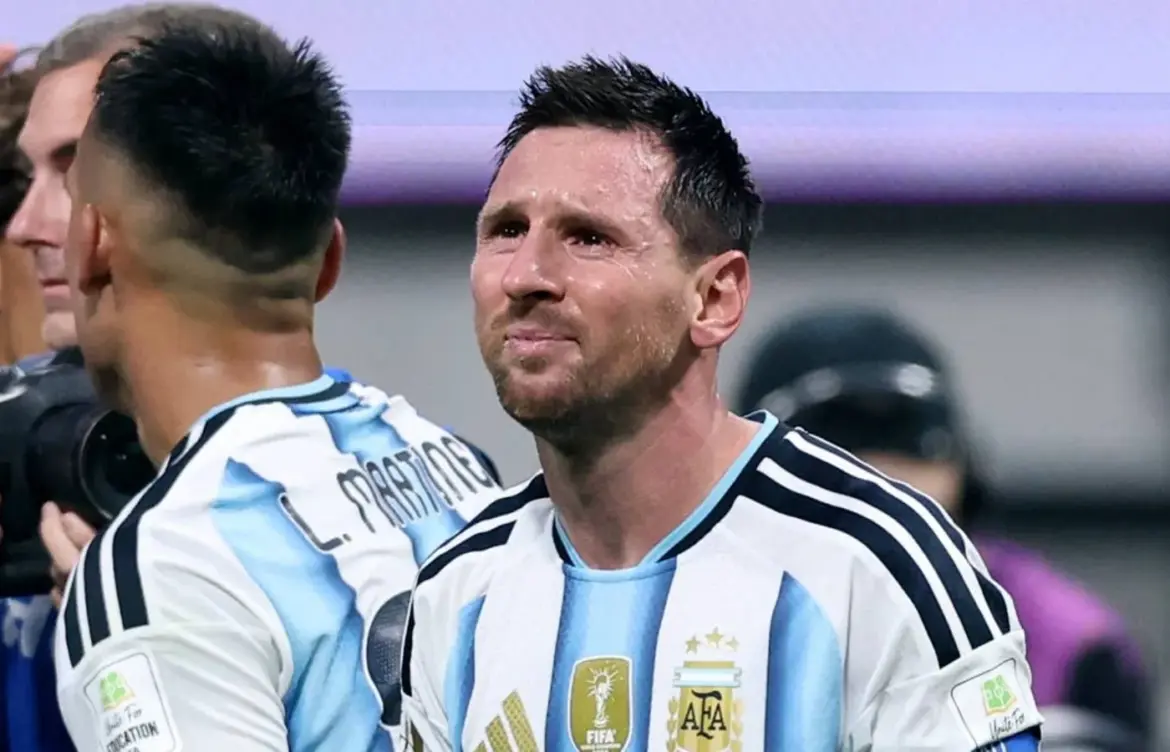
A significant point of contention arose when Lionel Messi reportedly avoided a red card in the group stage opener against Algeria after a tackle on defender Aissa Mandi. Additionally, a goal for Egypt was disallowed by VAR after the referee reviewed a foul on Lisandro Martinez that had been missed during live play. These incidents have fueled the ongoing debate surrounding perceived favoritism.
Adding to the discussion, a clip from an old interview with Carlos Chandia, a former World Cup referee, has recently resurfaced. Chandia, who officiated at the 2006 World Cup and the 2005 FIFA Club World Cup, and is now a politician in Chile, spoke about a decision he made in a 2007 Copa America semifinal match between Argentina and Mexico.
According to reports, Chandia admitted to making a deliberate call in Messi’s favor during that game. He recounted an incident where Messi handled the ball at midfield, and despite it being a yellow card offense, Chandia chose not to issue the card. He stated his reasoning was to prevent Messi from missing the final, and that he warned Messi the decision would cost him his jersey, which Messi reportedly provided after the match.

Chandia further explained that his decision to not show the yellow card ultimately cost him the opportunity to referee the 2007 Copa America final in Venezuela. These comments have intensified the scrutiny on officiating decisions involving Argentina.
Impact on Trust and Tournament Perception
The core issue for FIFA is not necessarily the correctness of every decision, but rather the public’s perception. Sports rely on trust, and fans need to believe in fair and equal treatment for all teams. When this trust erodes, every controversial whistle, VAR review, and close call becomes magnified, leading to suspicion.
The path Argentina has taken through the tournament has also contributed to the debate. While other strong nations like France, Spain, England, and Belgium have faced challenging knockout matchups, critics suggest that Argentina has avoided several tournament favorites. Supporters, however, argue that teams can only play the opponents they are presented with and that Argentina has earned its place through its results.
The online conversation has increasingly shifted from discussions about Messi’s skill, Argentina’s tactics, or the quality of play, to focus on officiating and FIFA itself. This shift is generally not considered a positive sign for any major sporting competition. While Argentina is recognised as an elite team with talented players like Lionel Messi, Lautaro Martínez, and Enzo Fernández, the growing suspicion surrounding controversial calls poses a challenge for FIFA as the tournament progresses into its final stages.
The perception of favoritism has become a defining aspect of the 2026 World Cup, with Argentina scheduled to play Switzerland next in the quarterfinals.
Read Also
Source: sports.yahoo.com