World Cup 2026: Tuchel questions FIFA’s disciplinary process after Balogun decision
Controversy over Balogun’s suspension
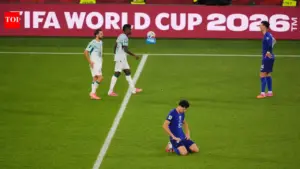
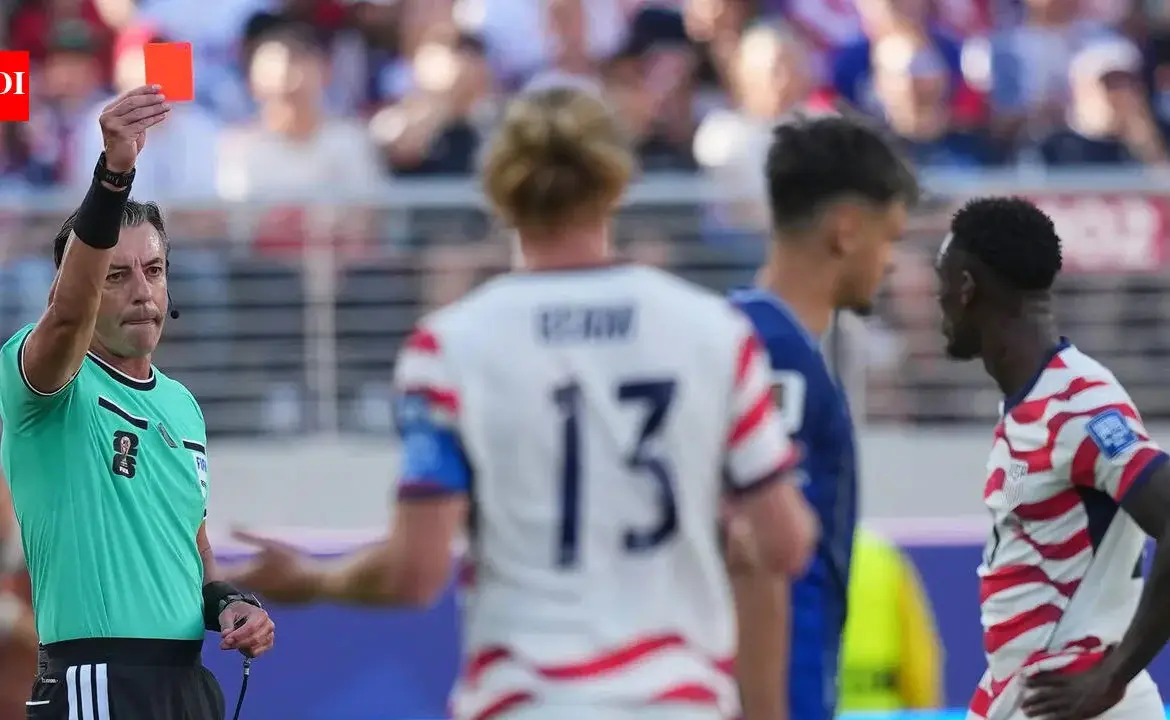
Folarin Balogun, a striker for the United States, was sent off during a match against Bosnia-Herzegovina. This red card would typically result in an automatic one-match suspension. However, FIFA decided not to enforce an immediate ban, allowing Balogun to be available for the last-16 tie against Belgium. This decision has been described by Uefa as “unprecedented, incomprehensible and unjustifiable.” Uefa stated that intervening to cancel a suspension during a tournament crosses a “red line” and undermines the integrity of the game.
The decision to lift Balogun’s suspension reportedly followed a call from US president Donald Trump to FIFA president Gianni Infantino. Donald Trump later thanked FIFA for “reversing a great injustice.” Former FIFA president Sepp Blatter criticized the situation, stating that “football must never become a playground for political power.” He emphasized that red cards should be overturned by rules and evidence, not political phone calls.
FIFA cited a clause in its disciplinary code that allows for the suspension of disciplinary measures, contradicting tournament regulations that stipulate an automatic suspension for a red card. Balogun’s suspension was placed on probation for one year, meaning a similar offence during this period would activate the suspension in addition to any new disciplinary action.
Tuchel questions consistency of decisions
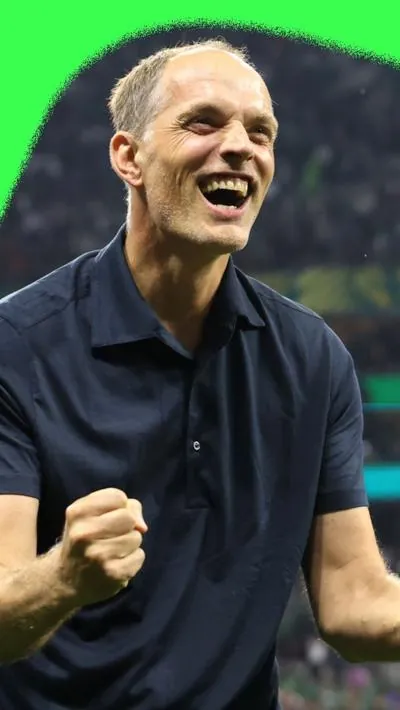
England coach Thomas Tuchel expressed confusion regarding the disciplinary process at the World Cup following the decision concerning Balogun. After Jarell Quansah was sent off in England’s 3-2 victory over Mexico, Tuchel questioned the consistency of the rules.
Tuchel asked, “Where does this start and where does this end now? Can we overturn it or not overturn it? What’s going on?” He highlighted that both Balogun and Quansah were sent off after a Video Assistant Referee (VAR) review, suggesting that VAR intervention has created uncertainty.
Tuchel believes that the initial foul leading to Quansah’s red card was not even given by the referee, indicating that the official initially considered it a hard but acceptable tackle. He criticized the use of still images from VAR to make decisions, stating, “You cannot take decisions on a still in a football match. It’s just not possible.”
The England coach further questioned the grounds on which decisions are overturned and how far this process could extend. He mentioned other instances, such as a yellow card for Declan Rice and Michael Olise, asking if those decisions could also be revisited. Tuchel concluded by stating, “I don’t know the rules. I am the wrong person to ask. I will wait and see what’s coming.”
Reactions from other teams
The decision to lift Balogun’s ban has drawn varied reactions. US head coach Mauricio Pochettino welcomed FIFA’s ruling, arguing that Balogun’s initial dismissal was unfair and that his team had already been sufficiently penalized by playing with 10 men against Bosnia and Herzegovina. Conversely, Belgium head coach Rudi Garcia criticized the decision, stating he was unaware that April Fools’ Day falls in July. The Royal Belgian Football Association expressed astonishment and confirmed it was exploring legal options to protect the competition’s integrity.
Norway head coach Ståle Solbakken also voiced his disapproval, calling FIFA’s decision a “big mistake.” He added, “I feel sorry for the United States, because even if they win, the game will always have this bad thing about it. Not good for the sport. Bad decision by FIFA.”
The controversy surrounding Balogun’s red card and its subsequent reversal has become a significant talking point at the World Cup, with many questioning the fairness and consistency of disciplinary actions. The other 12 players, apart from Balogun, who received red cards at the 2026 World Cup have served a suspension for at least the next game their country participated in.
Read Also
Source: bbc.com