Woman day 2026
Historical Context of Women’s Rights
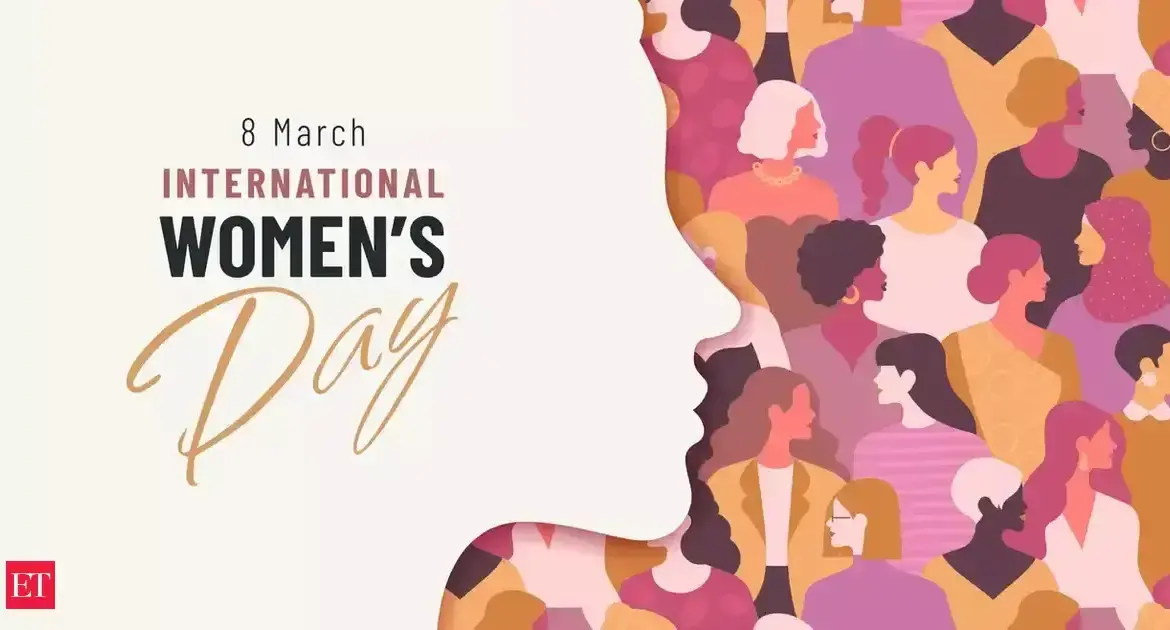
International Women’s Day, celebrated annually on March 8, has its roots in the labor movements of North America and Europe during the early 20th century. Officially recognized by the United Nations in 1977, this day has evolved into a global celebration of women’s achievements and a call to action for gender equality. As we approach International Women’s Day 2026, the theme has been set as ‘Rights. Justice. Action For ALL Women and Girls.’ This reflects a growing recognition of women’s roles as essential drivers of economic and social progress.
Shifts in Expectations
Before the recent developments, the expectations surrounding women’s rights in India were marked by significant challenges. Despite constitutional guarantees of equality and universal adult franchise for women, the practical realization of these rights was often hindered by socio-economic barriers. However, a decisive shift has occurred in recent years, particularly in the context of women’s leadership and participation in governance. As of now, nearly half of the elected representatives in Panchayati Raj Institutions are women, showcasing a remarkable increase in female leadership.
Immediate Changes and Their Impact
The immediate effects of these changes are evident in various sectors. The Female Gross Enrolment Ratio (GER) for women aged 18–23 in higher education has risen from 22.9 in 2014-15 to 30.2 in 2022-23, indicating a growing emphasis on women’s education. Additionally, over 4.53 crore Sukanya Samriddhi Yojana accounts have been opened as of December 2025, reflecting a commitment to the financial empowerment of girls. Furthermore, significant financial support has been provided to women through initiatives like the Pradhan Mantri Matru Vandana Yojana, which has transferred over ₹20,060 crore to 4.26 crore beneficiaries.
Ongoing Initiatives and Their Outcomes
Moreover, the Pradhan Mantri Ujjwala Yojana has successfully provided more than 10.56 crore LPG connections to women, enhancing their health and safety. The prevention of child marriages has also seen progress, with 2,153 cases prevented as of January 2026. These initiatives not only empower women but also contribute to broader societal changes, promoting health, education, and economic stability.
Expert Perspectives on the Shift
Experts emphasize that women’s leadership grows stronger when rights are protected and opportunities are expanded across every stage of life. The 2026 global campaign theme, ‘Give to Gain,’ reinforces the idea that investing in women’s rights and opportunities yields benefits for society as a whole. This perspective aligns with the ongoing efforts in India to create a more equitable environment for women, where their contributions are recognized and valued.
Looking Ahead
As International Women’s Day 2026 approaches, the focus on rights, justice, and action for all women and girls will serve as a reminder of the progress made and the work that still lies ahead. The commitment to women’s empowerment is not just a national agenda but a global necessity, as societies recognize that gender equality is essential for sustainable development.
In summary, the developments leading up to International Women’s Day 2026 reflect a significant transformation in the landscape of women’s rights in India. With a strong foundation laid by various government initiatives and a growing recognition of women’s leadership, the future looks promising for women and girls. However, continued efforts are essential to ensure that these advancements are sustained and expanded upon in the years to come.