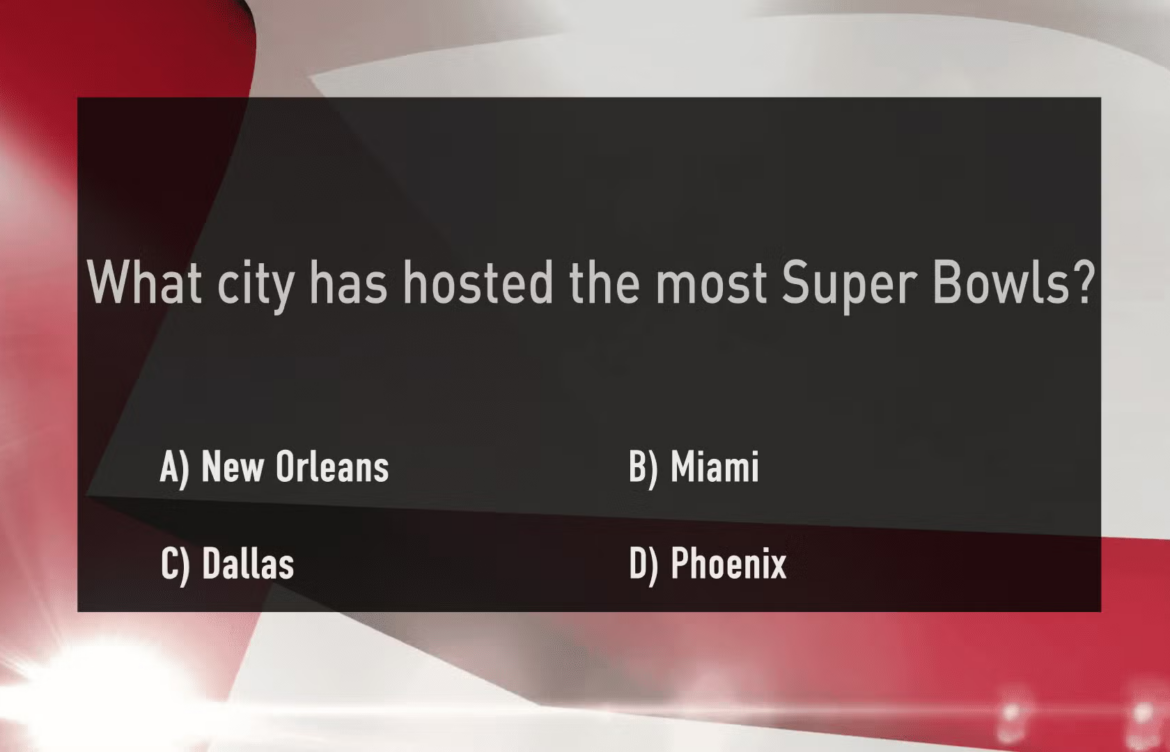
Which City Has Hosted the Most Super Bowls?
The Significance of the Super Bowl
The Super Bowl is not just the pinnacle of American football; it is a major cultural event that attracts millions of viewers worldwide. Every year, football fans eagerly anticipate the matchup, halftime show, and commercials. However, aside from the game itself, the location where the Super Bowl is held plays a vital role in shaping the experience for fans, hosting activities, and boosting the local economy.
Miami: The Super Bowl Capital
Currently, Miami holds the record for hosting the most Super Bowls, with a total of 11 games played in the city as of 2023. The first Super Bowl held in Miami was Super Bowl II in 1968, and the city has since become a favorite destination for the NFL’s championship game. Notably, Miami is known for its vibrant tourism, favorable weather, and extensive facilities which make it suitable for hosting large events.
The most recent Super Bowl hosted in Miami was Super Bowl 54 in 2020, which saw the Kansas City Chiefs defeat the San Francisco 49ers. Miami’s diverse culture and beautiful waterfront continue to attract fans and players alike, contributing to its popularity as a Super Bowl host.
Other Major Cities
Following Miami, other cities have also made their mark by hosting the Super Bowl multiple times. New Orleans, for instance, has hosted the event 10 times, thanks to its rich culture and hospitality. Cities like Los Angeles, Tampa, and San Diego have each hosted the Super Bowl several times, showcasing that the NFL often gravitates towards cities that have proven success in hosting large-scale events.
The Impact of Hosting
Hosting the Super Bowl has significant economic implications for a city. It creates thousands of temporary jobs, boosts tourism, and increases revenue for local businesses. For example, it has been estimated that cities hosting the Super Bowl can see a windfall of $400 million or more due to the influx of fans and media.
Looking Ahead
The upcoming Super Bowls are also set to take place in cities that have experience hosting the event, including Las Vegas and Los Angeles. As the NFL continues to evolve and expand, different cities will have opportunities to showcase their capabilities. However, it will take significant investment and infrastructure to rival the major cities that have established themselves as Super Bowl anchors.
Conclusion
As it stands, Miami leads the way as the city that has hosted the most Super Bowls. Its combination of entertainment, hospitality, and favorable weather is hard to beat. For fans and city planners alike, the importance of hosting such a prestigious event remains undeniable, paving the path for future competitions and economic boosts that Super Bowl events can bring.