Where My Refund: Track Your Tax Refund Status
Understanding the Importance of Tracking Your Refund
For many taxpayers, the anticipation of receiving a tax refund is an integral part of their financial planning. Understanding where your refund is can alleviate anxiety and help in better financial management. With the IRS and state tax agencies offering online tools for tracking refunds, knowing exactly how to navigate these platforms is crucial.
Current State of Tax Refunds
As of October 2023, the Internal Revenue Service (IRS) has issued millions of refunds ahead of the holiday season, with average refund amounts trending upward. However, some taxpayers may still find themselves asking, “Where is my refund?” Due to recent updates in tax regulations and processing times, there might be delays for certain individuals, especially if their returns were filed close to the deadline.
How to Track Your Refund
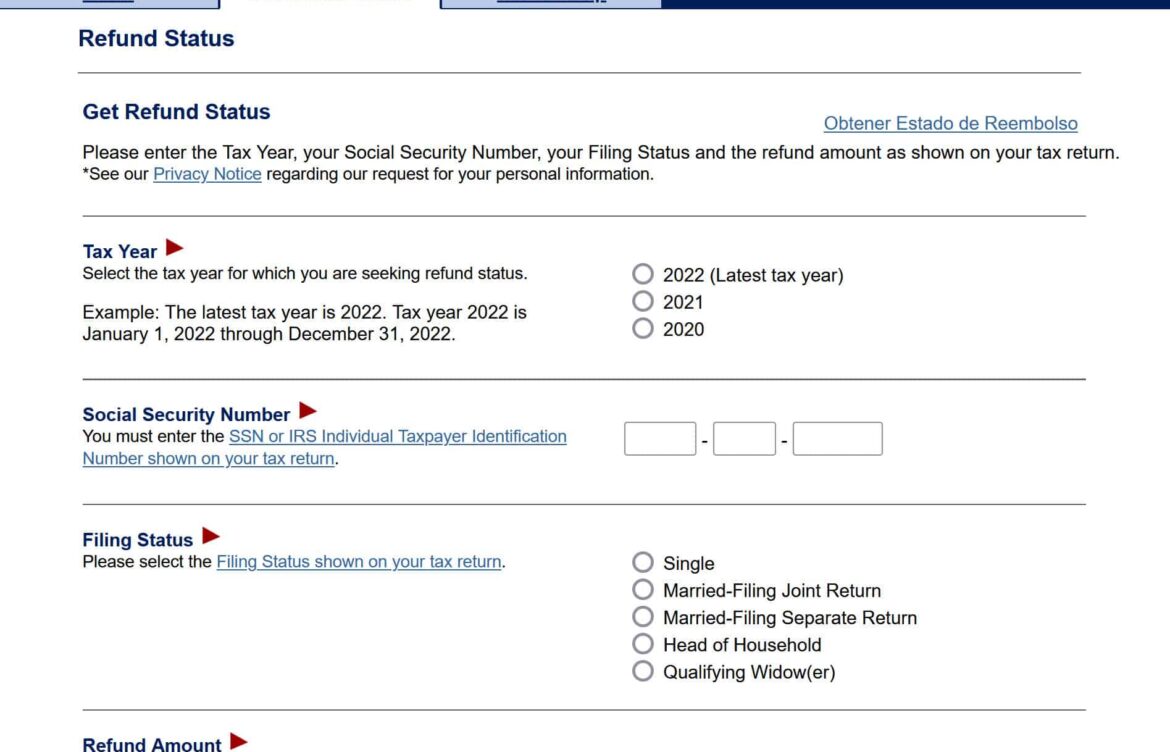
The IRS provides a user-friendly online tool called “Where’s My Refund?” available on their official website. Taxpayers need to provide their Social Security number, filing status, and the exact amount of their refund to get real-time information. Additionally, state tax agencies have similar tools that provide updates regarding state income tax refunds.
Common Reasons for Refund Delays
There are several reasons a refund may be delayed, including:
- Errors in tax return: Mistakes in reporting income or deductions can lead to a slower processing time.
- Increased audits: More audits mean some refunds are held until compliance is verified.
- Identity theft or fraud concerns: If there are flags on your account, the IRS may delay processing to ensure the refund is legitimate.
Taxpayers should also stay aware that refunds related to the Earned Income Tax Credit (EITC) and the Additional Child Tax Credit (ACTC) are typically not released until mid-February.
Conclusion: Significance of Staying Informed
In today’s fast-paced financial landscape, being aware of where your refund stands can help you manage your finances more effectively. As we move towards the end of the year, it’s essential to stay informed about potential changes in tax regulations and how they might impact receipt of refunds. Utilizing the IRS tracking tools and being proactive in addressing any issues that arise can ensure a smoother tax season.