Where Is My Refund? A Guide to Tracking Your Tax Refund
Understanding Tax Refunds
Receiving a tax refund is a significant financial event for many Americans, as it often represents a sizable sum of money that taxpayers can use for various purposes. Whether it’s to pay off debts, save for a purchase, or invest, knowing when to expect your refund is crucial for effective financial planning.
Where to Track Your Refund
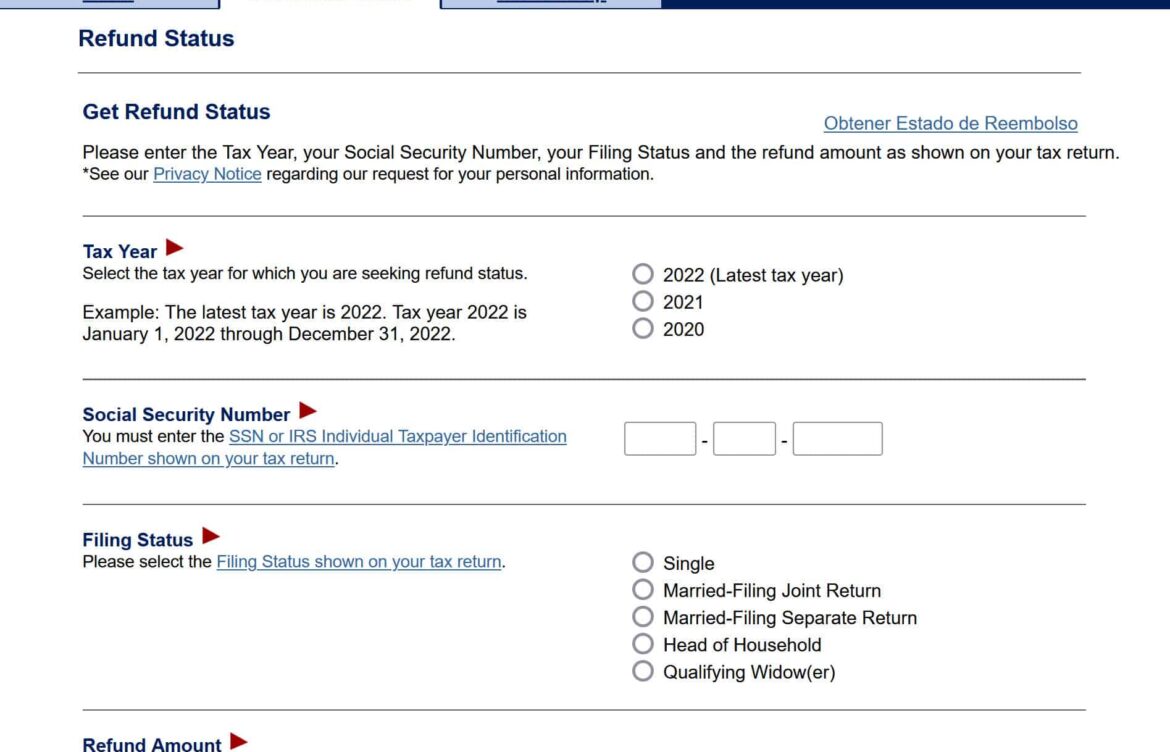
The IRS has made it easier for taxpayers to track their tax refunds through the ‘Where’s My Refund?’ tool available on the IRS website. Taxpayers can access this tool 24/7 and simply need to input three key pieces of information: their Social Security number, filing status, and the exact amount of the refund expected.
Current Processing Times
As of October 2023, the IRS has reported that most refunds are issued within 21 days of e-filing. However, delays may occur due to various reasons such as manual reviews, errors in the tax return, or missing information. It is advisable for taxpayers to check the status of their return if it has been longer than 21 days since filing.
Key Factors Affecting Refund Processing
Several factors may influence the timing of a tax refund. For example, filing an incomplete return or having discrepancies in reported income can trigger additional scrutiny, leading to delays. Moreover, claims for certain credits, such as the Earned Income Tax Credit (EITC) or the Additional Child Tax Credit (ACTC), may also take longer to process according to IRS regulations, especially if claimed early in the tax season.
Conclusion
Tracking your tax refund is essential for personal financial management. Utilize the IRS’s ‘Where’s My Refund?’ tool for efficient updates on your refund status. As the year progresses, taxpayers should stay informed about the potential delays and remain proactive in ensuring their returns are filed correctly. By doing so, they can optimize their experience and anticipate their refunds more accurately.