What You Need to Know About Snow Squalls
Introduction
As the winter months approach, meteorologists warn of various severe weather conditions, one of which is the snow squall. These sudden storms can lead to hazardous travel conditions and pose serious risks to public safety. Understanding what a snow squall is and its implications can help individuals prepare better and stay safe during extreme winter weather events.
What is a Snow Squall?
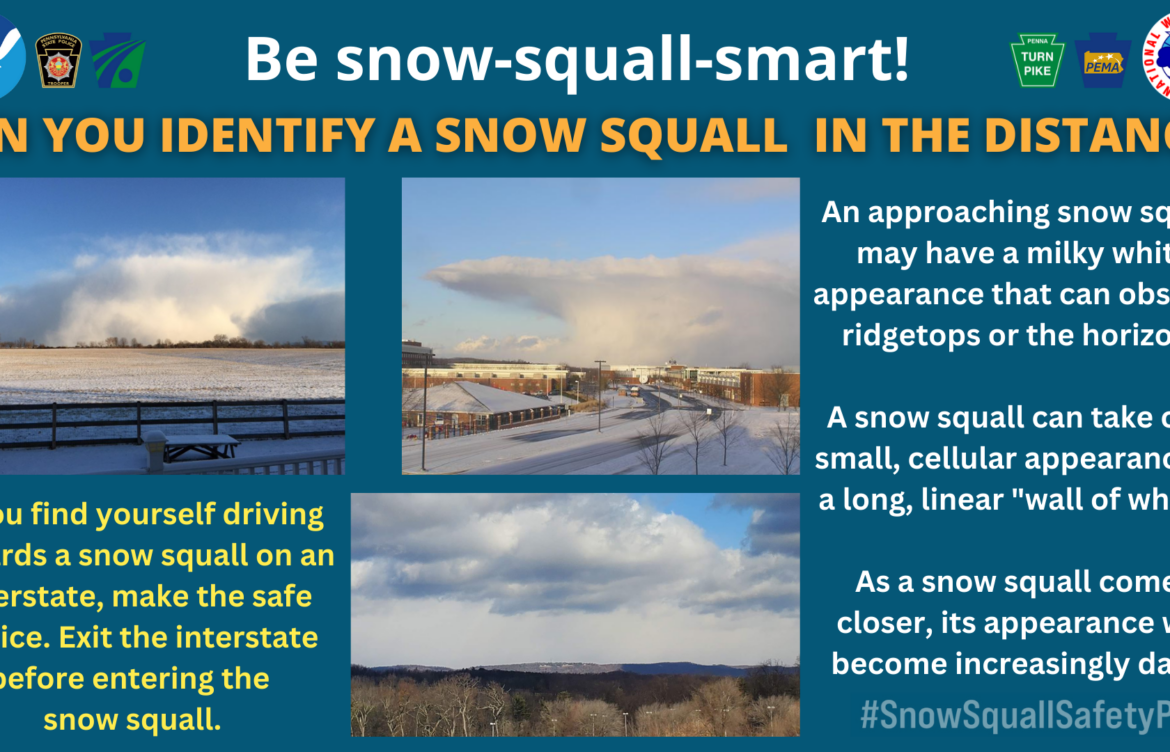
A snow squall is characterized by a brief but intense burst of snowfall. This weather event can produce whiteout conditions, significantly reducing visibility and making roads treacherous. Snow squalls often develop rapidly, usually associated with a cold front or low-pressure system, and can catch people off guard, leading to dangerous situations.
Recent Snow Squall Events
In recent weeks, several regions in the United States have experienced snow squalls. For example, a severe snow squall affected parts of the Northeast, particularly New York and Pennsylvania, leading to multiple car accidents and road closures due to rapidly deteriorating conditions. Local authorities urged residents to remain indoors and avoid travel unless absolutely necessary. Weather service reports indicated that these squalls could drop one to two inches of snow in as little as half an hour, showcasing their sudden and impactful nature.
Safety Measures to Consider
Given the unpredictable nature of snow squalls, it is important to take precautionary measures. Here are some tips for staying safe:
- Stay Informed: Regularly check weather forecasts and alerts, especially when traveling during winter months.
- Avoid Unnecessary Travel: If a snow squall is expected, consider postponing travel plans.
- Emergency Kit: Keep an emergency kit in your vehicle, including blankets, food, water, and a flashlight.
- Drive Cautiously: If you must travel, ensure your vehicle is winter-ready and drive at reduced speeds to accommodate potential low visibility.
Conclusion
Snow squalls can be both startling and dangerous, with the potential to cause significant disruptions and safety concerns. By being informed and prepared, individuals can mitigate the risks associated with these winter storms. As climate patterns continue to evolve, the frequency and intensity of such weather events may increase, underscoring the need for ongoing awareness and caution during the winter season.