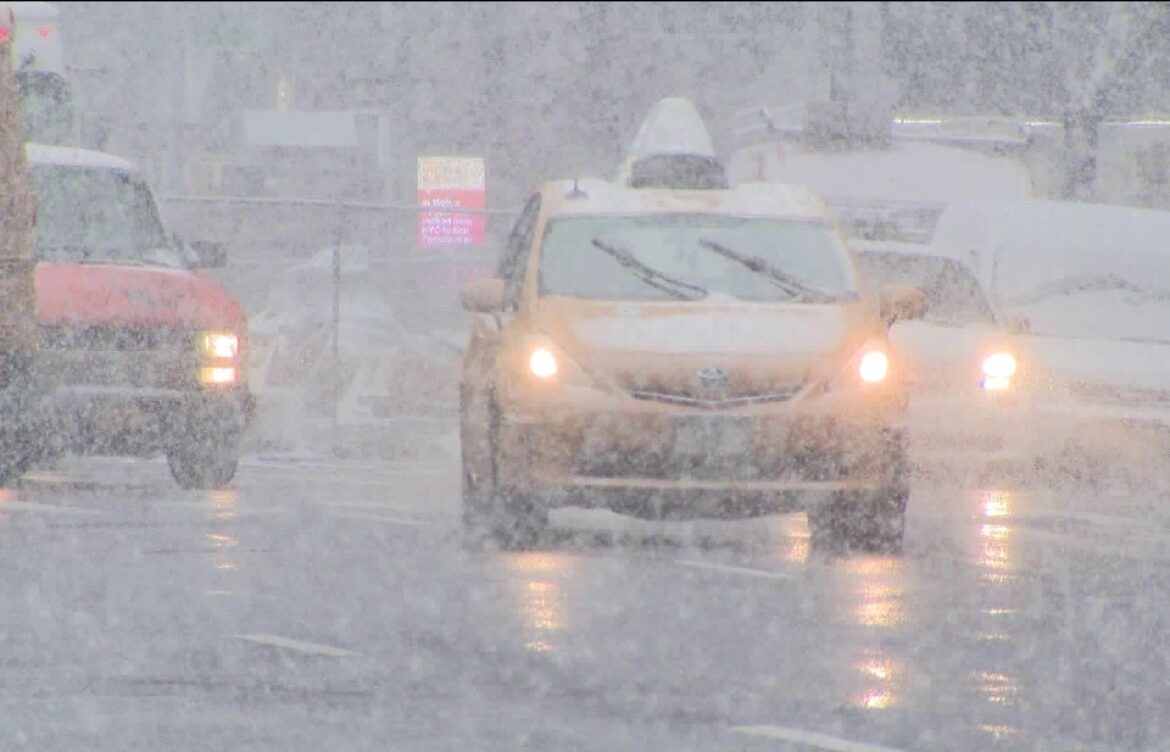
What You Need to Know About Snow Squalls
Introduction
Snow squalls are intense but short-lived bursts of heavy snowfall that can significantly reduce visibility and create hazardous travel conditions. Understanding the characteristics and potential dangers of snow squalls is vital, especially for those living in regions frequently affected by winter weather. With climate change contributing to more extreme weather patterns, the occurrence and severity of snow squalls have become a growing concern.
The Nature of Snow Squalls
Typically, snow squalls develop quickly, bringing rapid accumulation of snow—often several inches in less than an hour. The conditions necessary for their formation include cold air moving over a region, moisture from the atmosphere, and unstable air. These factors often coincide during winter storms, leading to rapid weather changes. According to the National Weather Service (NWS), snow squalls can produce whiteout conditions, making it exceedingly difficult for drivers to navigate roads.
Recent Events
In March 2023, the Midwest experienced a series of snow squalls that resulted in numerous traffic accidents, including a 50-car pileup in Illinois due to sudden drops in visibility and icy road conditions. This incident underscored the dangers posed by snow squalls. Although they typically last for a short duration, their intensity can result in significant disruptions ranging from road closures to delays in public transportation systems. Meteorologists have noted an uptick in reported snow squalls, correlating with a rise in overall winter precipitation.
Safety Measures and Preparedness
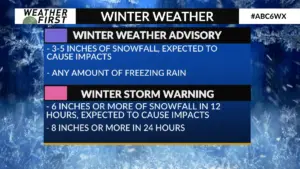
With the risks posed by snow squalls, it is crucial for communities to prepare and be informed. The NWS recommends that individuals stay updated through weather alerts, consider travel alternatives, and keep emergency supplies in their vehicles. When driving in snow squall conditions, it is advised to reduce speed, increase following distance, and pull off the road safely if visibility becomes too poor. Local authorities often issue warnings prior to snow squalls, providing essential time for people to adjust their plans appropriately.
Conclusion
Snow squalls represent a fast and formidable aspect of winter weather, posing unique challenges that can affect daily life. As climate patterns continue to evolve, understanding how to respond to these sudden weather events becomes increasingly important. By staying informed, prepared, and aware of safety measures, individuals can better navigate the risks associated with snow squalls, ensuring their safety and that of others during harsh winter months.