What to Expect from Bitcoin by 2026
Introduction
As one of the most talked-about assets in the financial world, Bitcoin continues to attract attention from investors, regulators, and technology enthusiasts. With its pioneer status in the cryptocurrency market, Bitcoin’s trajectory will significantly shape the future of digital currencies. Understanding what 2026 might hold for Bitcoin is crucial for investors, innovators, and anyone interested in the evolving financial landscape.
Current State of Bitcoin
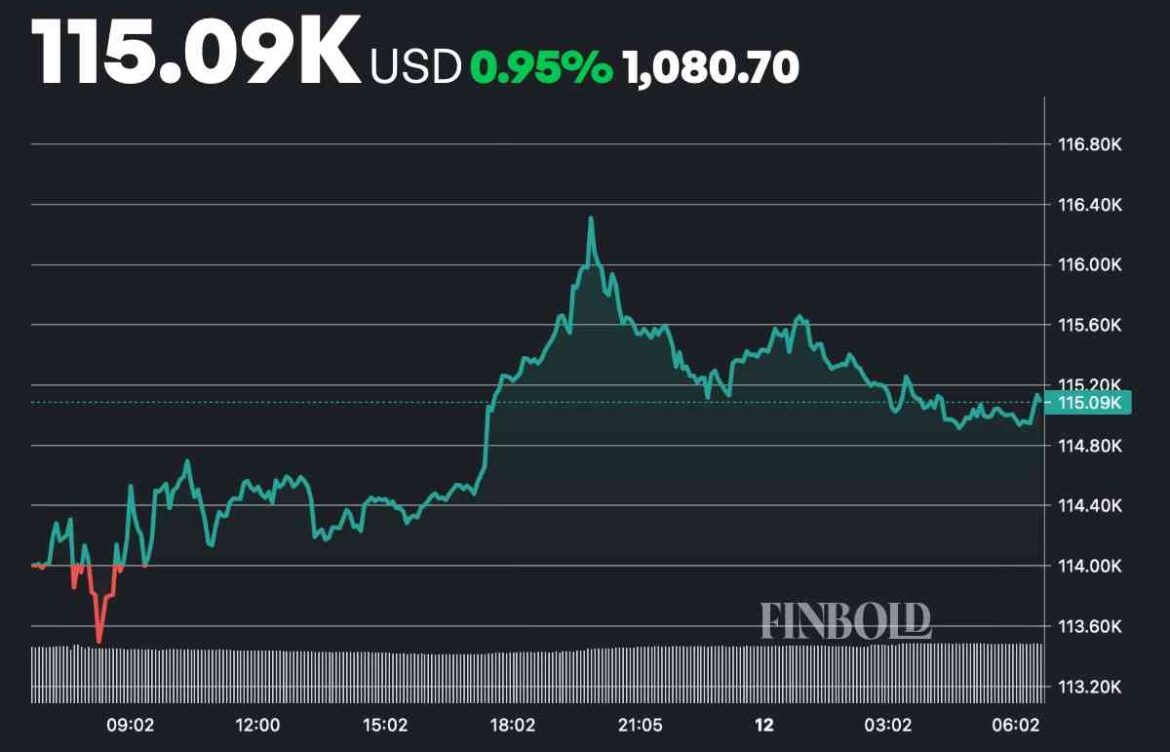
As of October 2023, Bitcoin has seen dramatic fluctuations in its value, recently hovering around the $30,000 mark. Its first major surge occurred in late 2017 when it reached nearly $20,000, followed by a series of boom-and-bust cycles. Currently, its market cap stands at approximately $600 billion, reflecting its ongoing importance in the financial ecosystem.
Predictions for 2026
Several influential market analysts and financial experts have started forecasting what the landscape might look like in 2026. Some key predictions are:
- Increased Adoption: A report from a global financial services company predicts that by 2026, an estimated 50 million people will hold Bitcoin, driven by mainstream adoption.
- Institutional Investment: With major corporations and financial institutions gradually incorporating cryptocurrencies into their portfolios, it’s predicted that institutional investment will surge, leading to more price stability and capital inflow.
- Regulatory Developments: As governments around the world grapple with regulating cryptocurrencies, clearer regulations established by 2026 could foster trust and integration of Bitcoin into traditional banking systems.
- Technological Innovations: Ongoing developments in blockchain technology may enhance Bitcoin’s scalability, security, and transaction speed, alleviating some of the criticisms it currently faces.
Challenges Ahead
Despite optimistic projections, Bitcoin’s journey toward 2026 is not without obstacles. Potential challenges include:
- Regulatory Risks: Stricter regulations could impede growth and innovation in the cryptocurrency space.
- Market Volatility: Bitcoin is known for its price volatility, which can deter risk-averse investors and challenge its acceptance as a stable currency.
- Technological Issues: Scalability and energy consumption remain significant concerns for Bitcoin, warranting the need for innovative solutions to address these issues.
Conclusion
As 2026 approaches, Bitcoin shows both promising potential and significant challenges. Increased adoption, institutional investment, and regulatory clarity could open new doors for this digital asset. However, investors need to remain cautious and informed about market risks and technological developments. The future of Bitcoin is not just about its price, but its capacity to integrate into the broader economic environment.