What is a Blue Moon and Why Does It Matter?
Introduction to Blue Moons
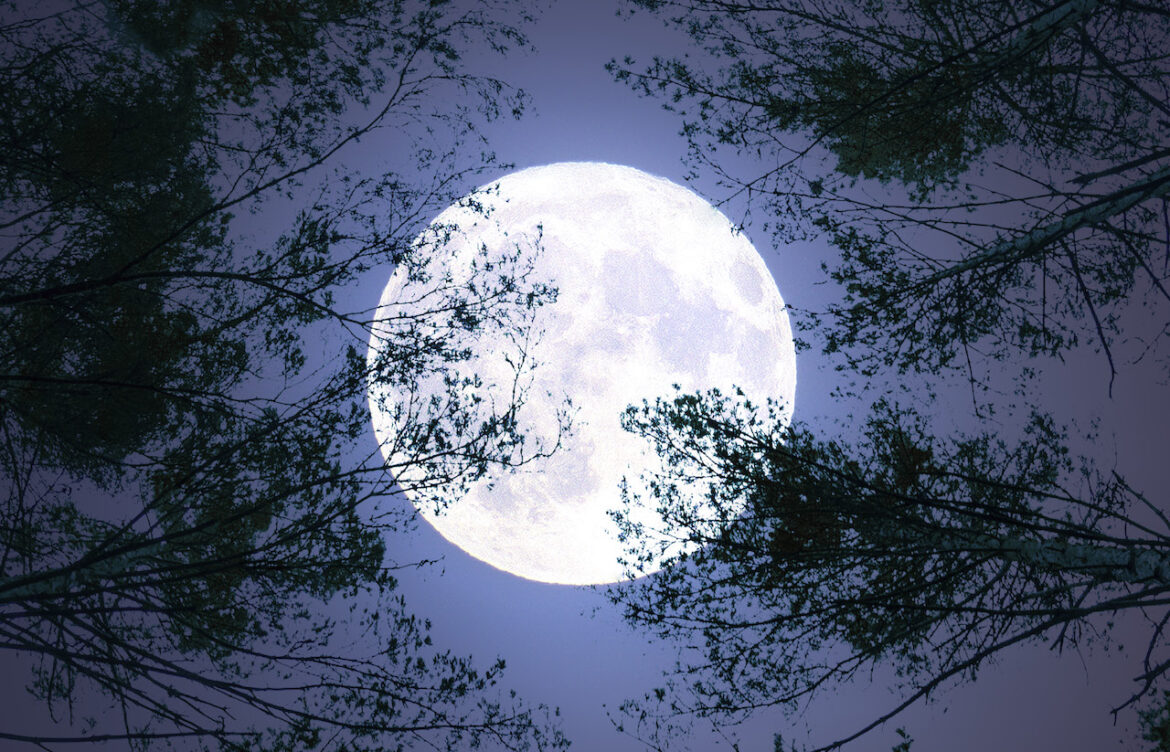
A blue moon is a rare astronomical event that captures the fascination of skywatchers. It represents either the second full moon in a calendar month with two full moons or the third full moon in a season that has four full moons. Understanding blue moons is essential not only for lunar enthusiasts but also for the general public, as they are often steeped in folklore and cultural significance.
The Science Behind Blue Moons
The term “blue moon” has evolved over the years. Traditionally, it referred to the third full moon in a season with four full moons, a definition first popularized in 1946 by an amateur astronomer. However, modern interpretations now embrace the more commonly recognized definition involving two full moons in a single month, which occurs approximately once every 2.7 years.
According to the Maine Farmer’s Almanac, the appearance of a blue moon can impact people’s emotions and behaviors. Some studies suggest that certain lunar phases, including full moons, can trigger heightened feelings of anxiety and restlessness, leading people to track these phenomena more closely.
Upcoming Blue Moon Events
The last blue moon occurred on August 31, 2023, and it garnered widespread attention as a unique opportunity for astrophotographers and curiosity seekers. The next blue moon, however, is predicted for August 30, 2026. Astronomy enthusiasts are already anticipating this celestial event, as blue moons can serve as an excellent time for community gatherings around stargazing and educational programs about the moon’s phases.
Folklore and Cultural Significance
Blue moons have inspired countless tales and traditions. The phrase “once in a blue moon” signifies something that doesn’t happen very often. Folklore suggests that blue moons were considered a time of magic and mystery, invoking creativity and transformation. Some cultures believed that a blue moon was an opportunity to touch upon dreams and ambitions, reinforcing its special status in humanity’s understanding of time and natural cycles.
Conclusion
Blue moons, while rare, serve as remarkable celestial events that invite curiosity and connection within the community. As these occurrences become more well-known, they provide an excellent opportunity for educational outreach in astronomy and environmental awareness. The next blue moon will not only be a treat for stargazers but also a reminder of our place in the cosmos and our connection to the lunar calendar. Mark your calendars for August 30, 2026, and prepare to immerse yourself in the magic of the blue moon!