வருமான வரி: Income Tax Changes in India: New Meal Voucher Exemption Limit
The wider picture
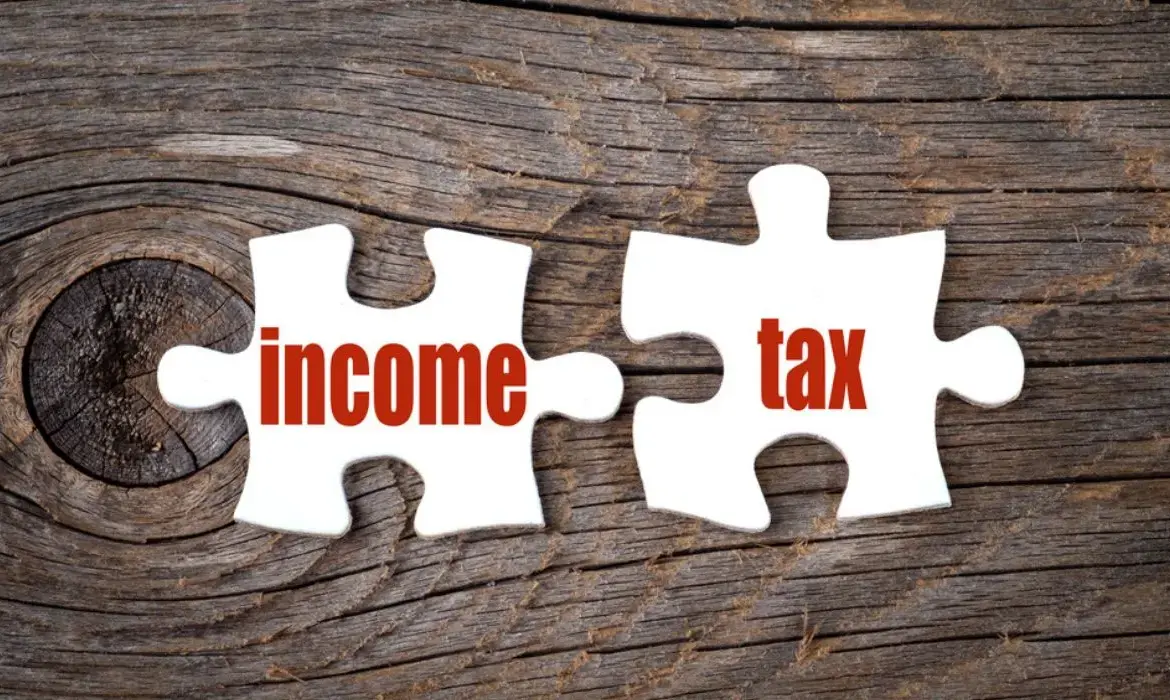
In recent years, the landscape of income tax in India has undergone significant changes, impacting both employees and employers alike. One of the most notable adjustments has been the tax exemption limit for meal vouchers, which previously stood at a modest ₹50. This limit has now been increased to ₹200, effective from April 6, 2026. This change is expected to enhance the attractiveness of meal vouchers for employees, providing them with a more substantial benefit as part of their remuneration packages.
The increase in the exemption limit comes as a welcome relief for many workers who rely on meal vouchers as a part of their salary structure. With the rising cost of living, this adjustment aims to provide employees with a better financial cushion. Companies are now expected to reconsider employee salaries and benefits in light of this sudden legal change, potentially leading to a more favorable work environment.
In addition to the changes regarding meal vouchers, the Income-tax Rules for 2026 have introduced several other modifications. Notably, these new rules apply uniformly to both old and new tax regimes, ensuring that all taxpayers benefit from the enhanced exemption. This consistency is crucial, as it simplifies the tax landscape for employees navigating their financial obligations.
Furthermore, the Income Tax Appellate Tribunal (ITAT) has made headlines by prohibiting the tax department from taxing both bank deposits and withdrawals as income. This decision stems from concerns regarding double taxation, which has been a contentious issue among taxpayers. The ITAT stated that taxing both deposits and withdrawals leads to unfair financial burdens on individuals, emphasizing that taxation should be based on actual income rather than cash flow.
As part of the ongoing reforms, the Central Board of Direct Taxes (CBDT) has also introduced over 20 changes to the income tax return forms for the assessment year 2026-27. Among these changes, taxpayers are now required to provide detailed information about political party donations and their Permanent Account Number (PAN) details. This move aims to enhance transparency in political funding and ensure that all contributions are accounted for in the tax system.
These developments have sparked various reactions from stakeholders. Taxpayers and financial experts have welcomed the increase in meal voucher limits, viewing it as a positive step towards improving employee welfare. However, there are concerns regarding the complexities introduced by the new reporting requirements for political donations, which may pose challenges for some taxpayers.
Looking ahead, observers anticipate that these changes will lead to a more equitable tax system in India. The adjustments to meal voucher exemptions and the prohibition of double taxation on deposits and withdrawals are seen as steps towards a fairer approach to income tax. As companies adapt to these new regulations, employees may find themselves in a stronger position, benefiting from enhanced compensation and clearer tax obligations.
In summary, the recent changes in income tax regulations in India, particularly concerning meal vouchers and reporting requirements, reflect a broader commitment to improving the financial landscape for employees. As these reforms take effect, it will be essential for both employees and employers to stay informed and adapt to the evolving tax environment.