Uttar Pradesh State Board of High School and Intermediate Education: Court Ruling on Officiating Principals
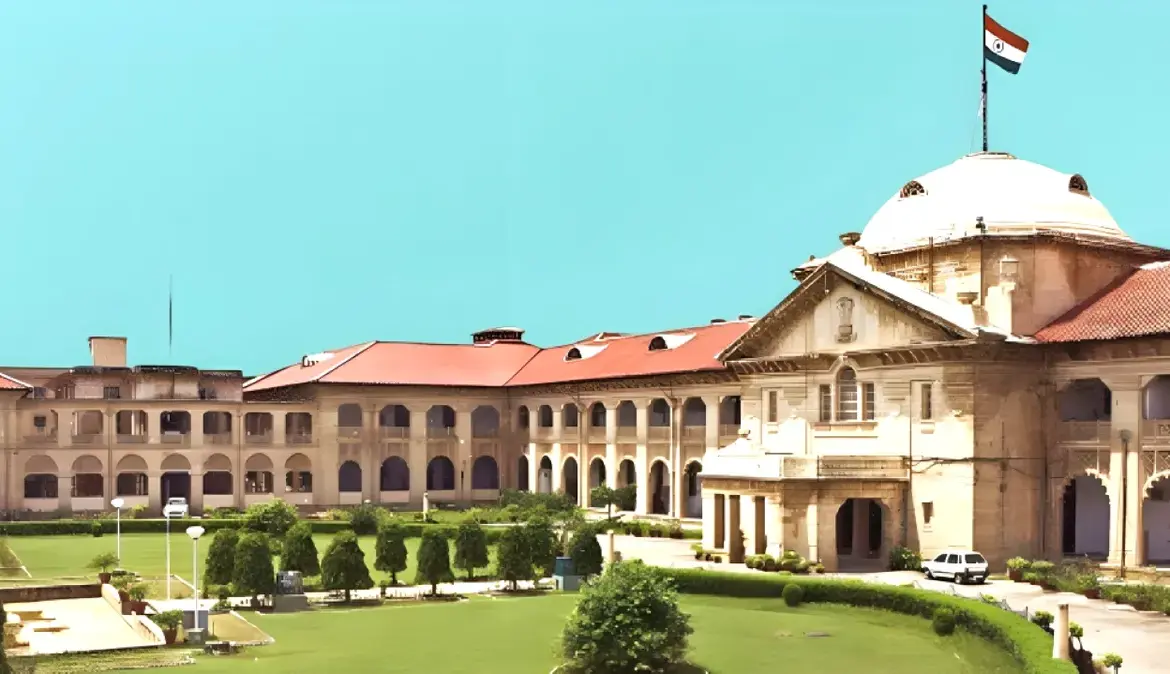
What does the recent ruling by the Allahabad High Court mean for officiating principals in Uttar Pradesh? The answer is significant: the court has mandated that these educators must be compensated with salaries equal to those of their regular counterparts. This decision not only recognizes the vital role officiating principals play in the educational landscape but also addresses long-standing issues regarding their compensation.
The ruling, delivered on April 6, 2026, stems from cases involving officiating principals who have been performing duties that are often more demanding than those of regular teachers. Justice Saumitra Dayal Singh and Justice Swarupama Chaturvedi emphasized that the responsibilities of these individuals warrant a salary that reflects their higher level of duty. They stated, “Having recognized that a person is required to officiate as Principal of an intermediate college by way of necessity existing in law and he is required to perform higher and more onerous duties, than that of any other teacher at such institution, his right to receive higher salary commensurate to such duties discharged, may never be defeated.” This ruling is a significant step towards ensuring fair treatment for educators in Uttar Pradesh.
The court’s decision also clarifies the legal framework surrounding the appointment and compensation of officiating principals. It noted that the U.P. Education Service Selection Commission Act, 2023, does not override the provisions of the U.P. Intermediate Education Act, 1971, which governs the conditions of service for ad-hoc and officiating principals. This means that while the new act introduces changes, it does not eliminate the rights of those currently serving in these roles. The court allowed petitioners to continue as officiating principals until regular appointments are made, ensuring stability in leadership during this transition.
In the past, officiating principals have often found themselves in precarious positions, with their salaries and job security hanging in the balance. The court’s ruling provides a much-needed sense of security for these educators, who have been performing essential functions in their schools. The court directed that if a vacancy continues, officiating principals are entitled to a higher salary for up to 30 days, reinforcing the importance of their roles in maintaining educational standards.
Moreover, the ruling highlights the need for educational institutions to address vacancies in a timely manner. The court remarked that the failure of management committees to notify vacancies should not impede the rights of officiating principals to receive appropriate compensation. This aspect of the ruling underscores the importance of accountability within educational management, ensuring that the needs of both educators and students are met.
As the educational community in Uttar Pradesh reflects on this ruling, the implications for the future are profound. Schools will need to adapt to these changes, ensuring that officiating principals are recognized and compensated fairly. This ruling not only affects the individuals directly involved but also sets a precedent for how educational leadership is viewed and treated across the state.
Looking ahead, the educational landscape in Uttar Pradesh may see further developments as institutions respond to this ruling. The ongoing dialogue about the rights and responsibilities of officiating principals is likely to continue, with stakeholders advocating for fair treatment and recognition of their contributions. While the court’s decision is a significant victory for officiating principals, the full impact of this ruling will unfold over time as schools implement these changes and address the underlying issues that have led to this legal intervention.