Updates on WMATA: Enhancements and Future Plans
Introduction
The Washington Metropolitan Area Transit Authority (WMATA) plays a crucial role in the daily commute of millions in the D.C. metropolitan area. With over 600,000 riders using WMATA’s subway and bus services on weekdays, keeping the systems efficient and safe is of utmost importance. Recent changes and planned enhancements are designed to improve service reliability and the overall rider experience, making this topic particularly relevant for both local commuters and visitors.
Current Developments
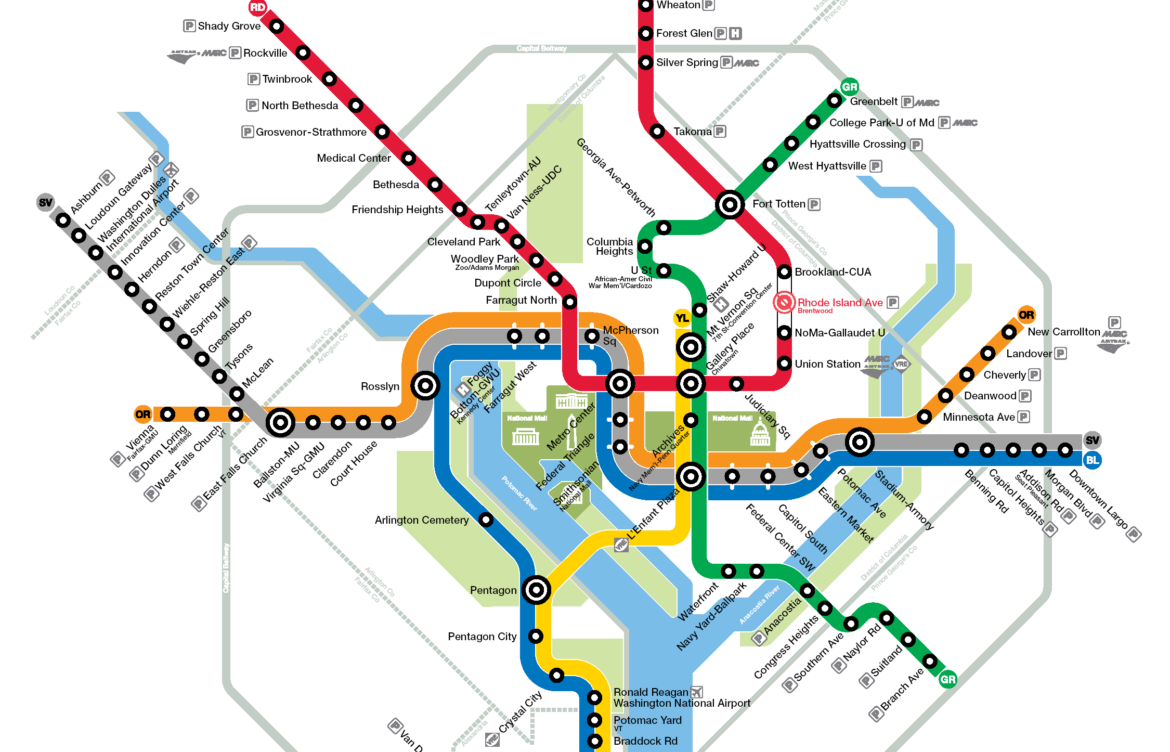
In recent months, WMATA has announced several key improvements aimed at bolstering its services. One major project is the ongoing rehabilitation of the Metrorail system, which includes updates to trains, tracks, and stations. This $250 million initiative is projected to enhance safety and travel times as part of WMATA’s commitment to maintain infrastructure integrity. Additionally, the agency has introduced new express bus routes, specifically tailored to cater to high-traffic areas, reducing commute times significantly.
In tandem with infrastructure updates, WMATA has rolled out a new mobile app designed to make riding the Metro more convenient. It features real-time arrival information, service alerts, and fare calculation tools, streamlining the commuter experience. This technology aims to cater to the growing demand for efficient travel solutions in a post-pandemic world.
Challenges and Future Plans
Despite these positive developments, WMATA faces ongoing challenges, particularly concerning funding and service reliability. The pandemic severely impacted fare revenue, and the agency is working diligently to recover financially while maintaining quality service. Additionally, passenger safety remains paramount; WMATA has increased cleaning protocols and is ensuring compliance with health regulations to create a safer environment for its ridership.
Looking ahead, WMATA is exploring innovative solutions to enhance the customer experience further, including potential partnerships with ride-sharing companies and the integration of electric buses into its fleet. With urbanization on the rise, such initiatives could significantly reshape public transport in the D.C. area.
Conclusion
WMATA’s commitment to improving its services is evident in the recent investments and technological advancements being implemented. As the agency navigates challenges and plans for the future, it is essential for commuters to be aware of these developments, as they directly impact daily travel experiences. With effective execution of these strategies, WMATA aims to not only recover pre-pandemic ridership numbers but to exceed them, thus reinforcing its importance as a pillar of public transportation in the Washington, D.C. metropolitan area.