Understanding Winter Weather Advisory: What You Need to Know
Introduction
As winter settles in across the United States, many regions are currently under a winter weather advisory. This crucial weather alert serves to keep the public informed about impending snow, sleet, or freezing rain that could impact travel and safety. Winter weather advisories are essential for preparedness, providing citizens with timely information to make informed decisions regarding their daily activities and travel plans.
Current Advisories
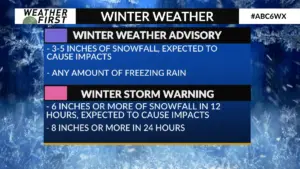
Multiple states, including parts of the Midwest, Northeast, and Pacific Northwest, are experiencing winter weather advisories due to predicted snowfall and possible ice accumulation. According to the National Weather Service (NWS), areas such as Michigan, New York, and Washington state are expected to see significant impacts from adverse winter conditions. In Michigan, accumulations of up to 6 inches of snow have been forecasted, prompting officials to warn residents to stay safe on the roads. In New York, wind chills may dip below zero, increasing the risk of frostbite.
Impact of Winter Weather Advisories
Winter weather advisories aim to alert communities about possible hazardous conditions that emerge from winter storms. These alerts can signal various dangerous weather phenomena, such as heavy snowfall, icy patches, and strong winds. Drivers are particularly urged to exercise caution as road conditions can deteriorate quickly. Authorities may suggest postponing travel if conditions are too severe. Schools and businesses may also experience delays or closures as a result of these advisories to protect public safety.
Preparation Tips
To stay safe during winter weather advisory periods, residents are encouraged to prepare by following best practices. This includes checking weather updates frequently, ensuring winter vehicles are equipped with necessary items (like ice scrapers and blankets), and avoiding any non-essential travel during storm conditions. If travel is unavoidable, having a fully charged phone, extra food, and warm clothing on hand is advisable.
Conclusion
Understanding winter weather advisories is vital for safety during the winter months. As weather forecasts evolve, keeping track of updates and staying prepared will help to mitigate risks associated with winter weather. This winter season, staying informed and proactive can make a significant difference in ensuring safety for individuals and families alike.