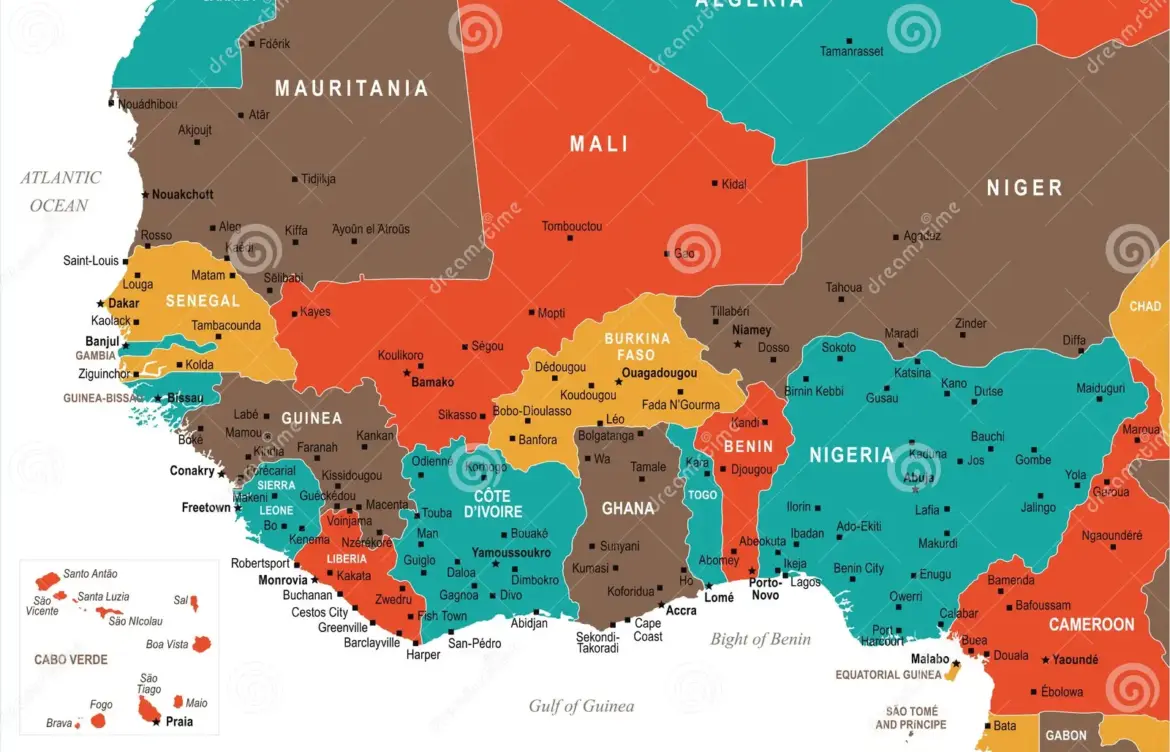
Understanding West African Countries: Significance and Diversity
Introduction
West Africa, a region rich in culture, history, and diversity, is composed of 16 countries, including Nigeria, Ghana, and Senegal. Home to over 400 million people, the significance of these nations extends beyond their borders, impacting global economics, politics, and culture. Understanding the dynamics within West African countries is crucial for recognizing their role on the world stage and fostering future collaborations.
Diverse Cultures and Economies
The West African region boasts a multitude of ethnic groups, languages, and traditions. Nigerian pidgin, Wolof from Senegal, and Ewe from Ghana illustrate just a small fraction of the linguistic diversity present. Economically, West Africa is characterized by its vast resources, including oil in Nigeria and gold in Mali, but it also faces challenges related to poverty and infrastructure. The Economic Community of West African States (ECOWAS) plays a vital role in promoting economic integration among member states, aiming to enhance stability and growth in the region.
Current Events and Issues
Recent events, such as the political turmoil in Burkina Faso and the ongoing threats of terrorism in Nigeria’s northeast, underscore the need for stability and cooperation among West African countries. The COVID-19 pandemic has further exacerbated these challenges, impacting economies and public health. Countries are now focusing on recovery strategies that prioritize resilience in governance and health systems. Additionally, climate change poses a significant risk to agriculture, which is a cornerstone of many West African economies.
Conclusion
West African countries are at a pivotal point in their development. As they navigate political challenges and economic recovery, their rich cultural heritage and potential for growth remain assets in international cooperation. By understanding the events and dynamics in West Africa, readers can appreciate the complexities of this vibrant region and consider the potential for collaboration that can lead to a prosperous future for its people.