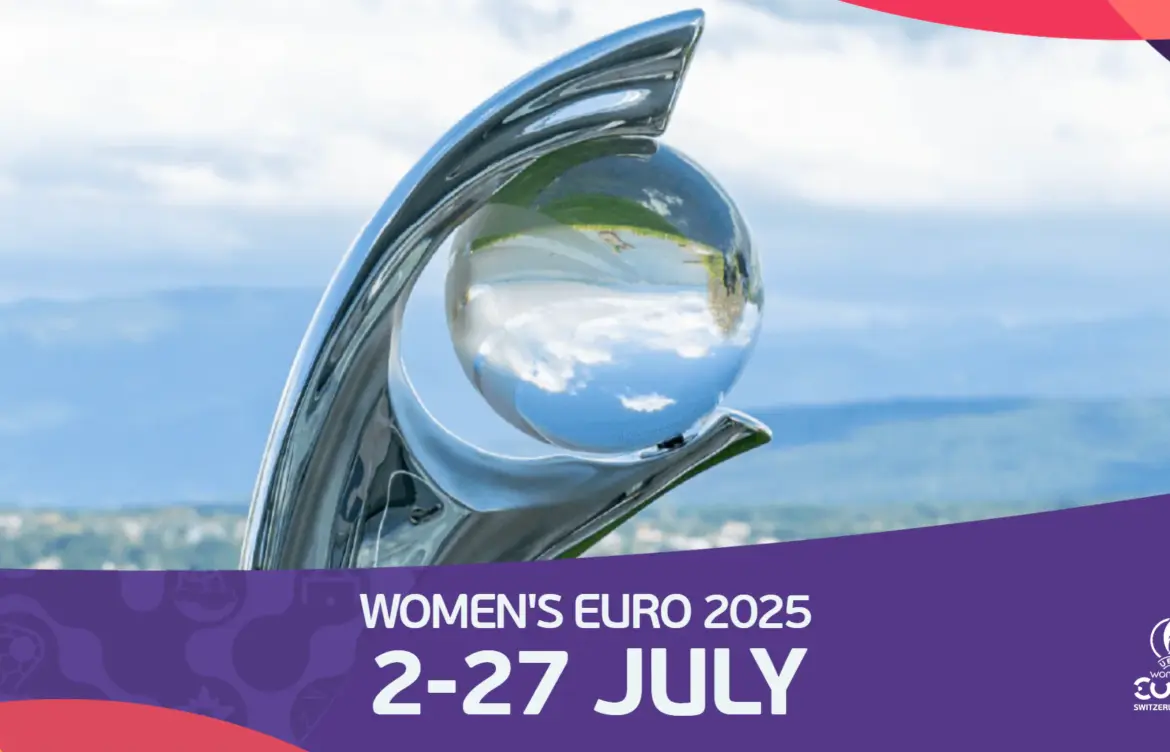
Understanding UEFA and Its Role in European Football
Introduction to UEFA
The Union of European Football Associations (UEFA) plays a crucial role in the governance and development of football across Europe. Established in 1954, UEFA is responsible for organizing national and club competitions, setting rules and regulations, and promoting the sport at all levels. Its influence extends beyond the pitch, affecting broadcasting rights, funding allocations, and much more. With football being a beloved sport in Europe, understanding UEFA’s functions and implications is vital for fans and stakeholders alike.
Key Competitions and Events
UEFA oversees several prestigious tournaments, with the UEFA Champions League being the crown jewel. This annual club competition features the top teams from across Europe, providing thrilling matches and significant financial rewards. Additionally, UEFA organizes the UEFA European Championship (Euros), which is one of the most celebrated national team tournaments in the world, showcasing the continent’s best talent every four years.
In recent years, UEFA has also introduced the UEFA Nations League, aimed at increasing competition among national teams while providing more meaningful fixtures. The success of these tournaments has contributed to UEFA’s reputation as a leader in international football governance.
Regulations and Governance
UEFA’s primary mission includes enforcing Fair Play regulations, ensuring that clubs operate within their financial means. This effort, known as Financial Fair Play (FFP), aims to prevent teams from accruing unsustainable debts that could jeopardize their existence. UEFA also maintains strict rules regarding player eligibility, transfer policies, and match officiating, working diligently to uphold the integrity of the sport.
Challenges and Future Outlook
As the football landscape evolves, UEFA faces several challenges, including the rise of super leagues, the financial impact of the pandemic, and the need to adapt to technological advancements such as VAR (Video Assistant Referee). The future will likely see UEFA striving to balance commercial interests with the traditions of the sport, drawing on its deep-rooted history while embracing innovation.
Conclusion
Whether through popular tournaments, governance policies, or community initiatives, UEFA remains a foundational entity in European football. For fans, understanding UEFA’s role enhances appreciation of their favorite tournaments and clubs. As football continues to grow and change, UEFA’s ability to adapt will be essential for preserving the sport’s integrity and popularity across Europe and beyond.