Understanding the Work of Timothy Snyder
Introduction
Timothy Snyder is a prominent historian specializing in Central and Eastern Europe, particularly known for his analysis of totalitarianism and democracy. In an era increasingly marked by political division and the rise of authoritarian regimes, Snyder’s work has garnered significant attention for its relevance to contemporary issues. His insights not only illuminate history but also offer warnings about the future of democratic institutions in the 21st century.
Background and Career
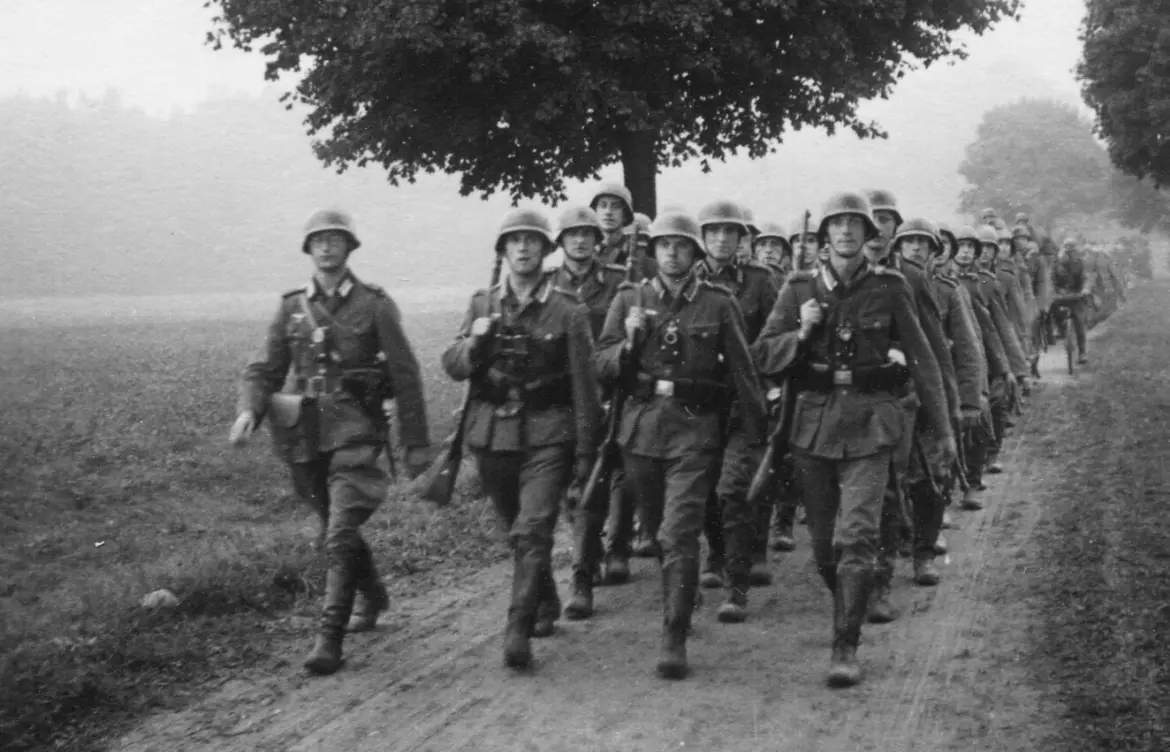
Born in 1969, Timothy Snyder is currently a professor of history at Yale University. He gained recognition for his books, including Bloodlands: Europe Between Hitler and Stalin, which explores the mass murders in Eastern Europe during the 20th century. Snyder’s academic expertise extends into the modern political landscape, where he articulates the threats to democracy and the importance of civic engagement.
Recent Works and Contributions
His most recent book, The Road to Unfreedom: Russia, Europe, America, published in 2018, delves into the historical roots of modern authoritarianism. Snyder argues that understanding history is crucial for navigating the rise of right-wing populism around the world. He emphasizes that democracy is fragile and highlights the importance of vigilance among citizens to protect their freedoms.
Snyder also engages with current events through various media, writing columns for well-known publications and participating in public discussions on democracy and governance. His critiques often focus on the methods used by contemporary authoritarian leaders, which resonate with the current anxieties rooted in global politics.
Significance for Readers
For readers and scholars alike, Snyder’s work is essential for understanding the complex dynamics of modern political challenges. His perspectives encourage individuals to reflect on their roles in a democratic society and the responsibilities that come with that civic identity. As the global landscape continues to evolve, Snyder’s emphasis on historical context serves as a reminder that the past is always intertwined with the present.
Conclusion
Timothy Snyder’s contributions to history and political discourse are increasingly salient in today’s world. By exploring the consequences of totalitarianism and advocating for democracy, he provides valuable lessons that urge engagement and awareness among citizens. As democracy faces unprecedented challenges, Snyder’s work stands as a significant resource for understanding and defending against the threats that loom over it.