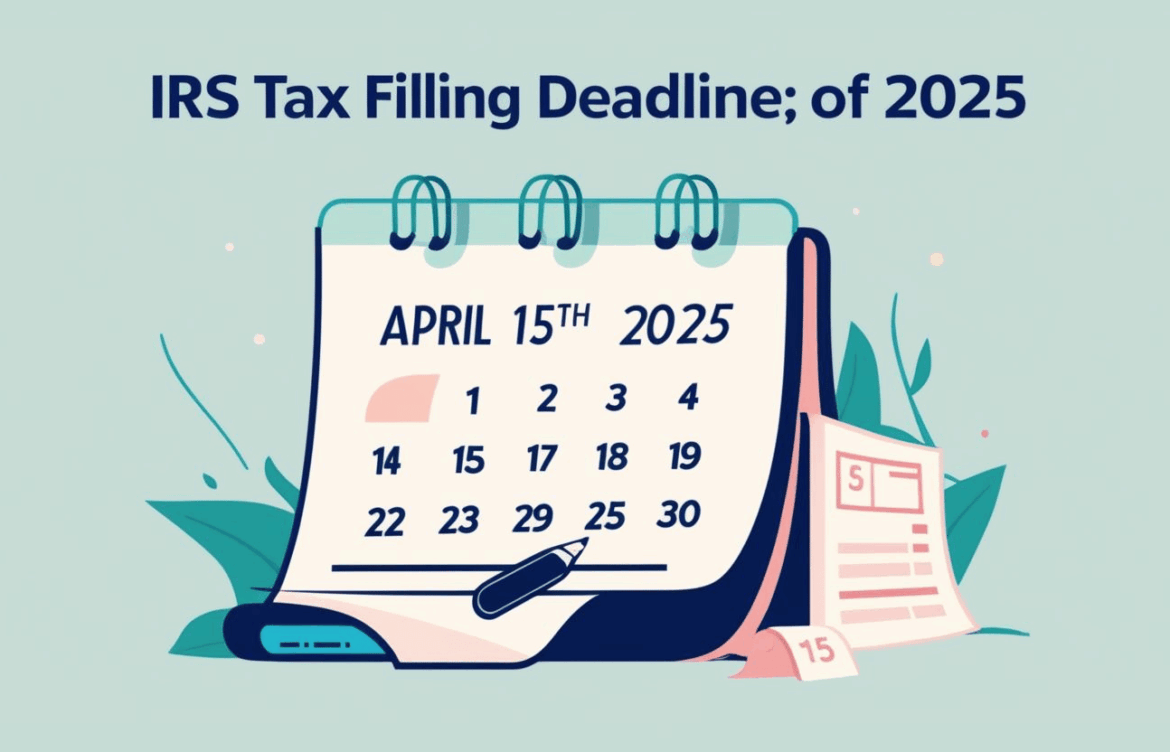
Understanding the Tax Filing Deadline for 2023
Importance of the Tax Filing Deadline
As the tax season approaches, understanding the tax filing deadline is crucial for individuals and businesses alike. Meeting this deadline is essential to avoid penalties and ensure compliance with federal regulations. For the 2023 tax year, the tax filing deadline for most taxpayers is April 18, 2023, extending the typical deadline of April 15 due to the Emancipation Day holiday in Washington, D.C.
Key Dates and Deadlines
The IRS provides specific deadlines for different scenarios, including:
- April 18, 2023: Final day to file your federal income tax return without filing an extension.
- October 16, 2023: Deadline for those who filed for an extension to submit their tax returns.
- State Deadlines: States may have different deadlines, which taxpayers should verify based on their state’s regulations.
Consequences of Missing the Deadline
Failing to file by the tax deadline can result in penalties and interest on any owed taxes. The IRS typically imposes a failure-to-file penalty of 5% of the unpaid taxes for each month or part of a month that the return is late, up to a maximum of 25%. Additionally, interest on the unpaid tax accrues from the due date until the tax is paid in full. Therefore, filing on time can save taxpayers considerable money in fines and interest.
Preparation Tips for Tax Season
To ensure a smooth tax filing experience, consider the following preparation tips:
- Organize Your Documents: Collect all necessary documents, including W-2s, 1099s, and any other relevant tax information.
- Utilize Tax Software: Consider using tax preparation software that can simplify the process and help you keep track of deadlines.
- Consult a Tax Professional: If your tax situation is complex, seek advice from a tax professional to ensure accurate filing.
Conclusion
Being aware of and adhering to the tax filing deadline is vital for all taxpayers. The consequences of missing the deadline can be costly, both financially and in terms of stress. By preparing early, understanding key deadlines, and utilizing available resources, taxpayers can navigate the tax season effectively, ensuring compliance and peace of mind.