Understanding the Society of Saint Pius X (SSPX)
Introduction
The Society of Saint Pius X (SSPX) is a traditionalist Catholic organization that has stirred significant debate within the wider Catholic Church. Founded in 1970 by Archbishop Marcel Lefebvre, the group seeks to preserve traditional Catholic practices and teachings in a rapidly modernizing world. With the recent discussions surrounding the Vatican’s approach to modernization and the ongoing debates about Church doctrine, the SSPX remains highly relevant today.
Background and Formation
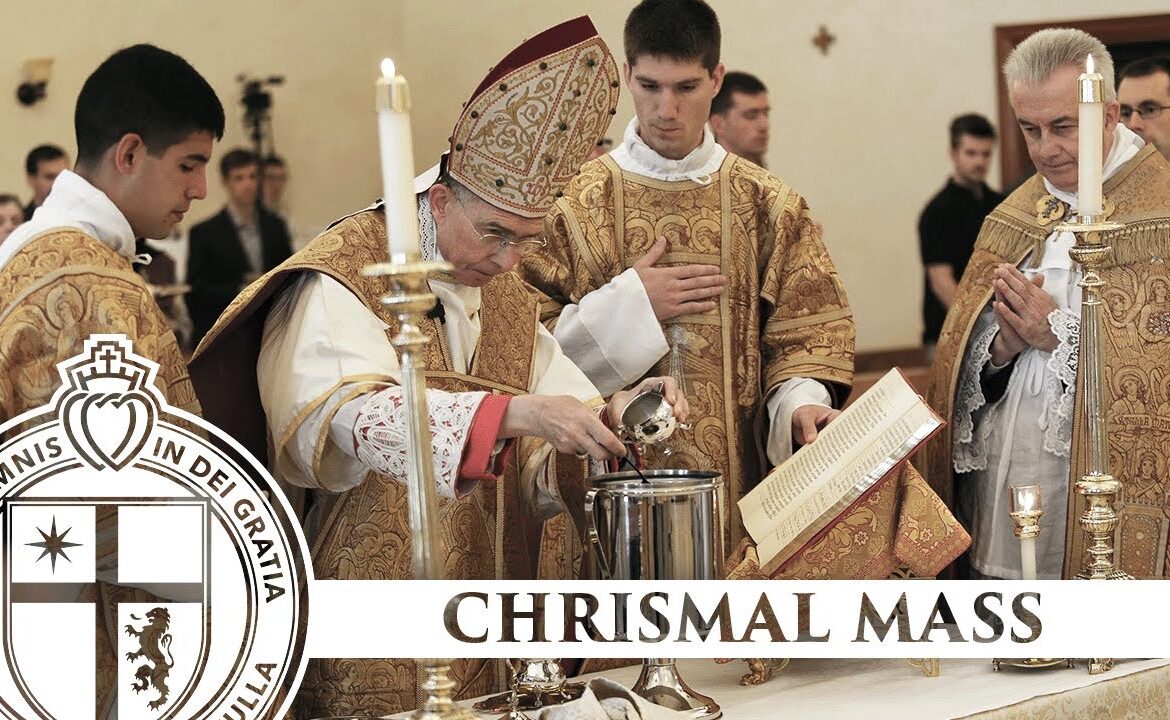
Archbishop Lefebvre established the SSPX in response to what he perceived as the detrimental effects of the Second Vatican Council, which he believed led to a dilution of Catholic doctrine and practice. The Society was formed to provide a space for priests and laity who preferred the Latin Mass and traditional Catholic teachings. The SSPX has chartered its own seminaries and schools worldwide, emphasizing a return to pre-Vatican II values.
Current Status and Beliefs
As of 2023, the SSPX operates more than 600 institutions across the globe, including chapels, schools, and seminaries. It attracts a dedicated following among those who feel alienated by the contemporary direction of the Catholic Church. The Society advocates for the adherence to the Tridentine Mass and traditional doctrines, rejecting many modern practices embraced by the broader Church. In recent years, discussions have arisen regarding the SSPX’s relationship with the Vatican, leading to attempts at reconciliation and discussions about canonical status.
Recent Developments
This past year, 2023, has seen ongoing dialogues between the SSPX and the Vatican regarding the Society’s recognition and the potential for greater integration within the Church. In July, Pope Francis publicly addressed the need for unity and invited SSPX leaders for further clarification on their standing. Yet, key doctrinal disagreements still pose challenges, making the future direction of this relationship uncertain.
Conclusion
As the Catholic Church navigates the complexities of modernity, the Society of Saint Pius X presents a unique perspective rooted in tradition. The SSPX’s commitment to preserving traditional practices strikes a chord with many parishioners, ensuring their significance in contemporary discussions around Catholic identity. Whether or not a resolution comes forth from ongoing Vatican negotiations, the SSPX will likely continue to play a crucial role in the conversation about the nature and future of the Catholic Church, highlighting the delicate balance between tradition and modernity.