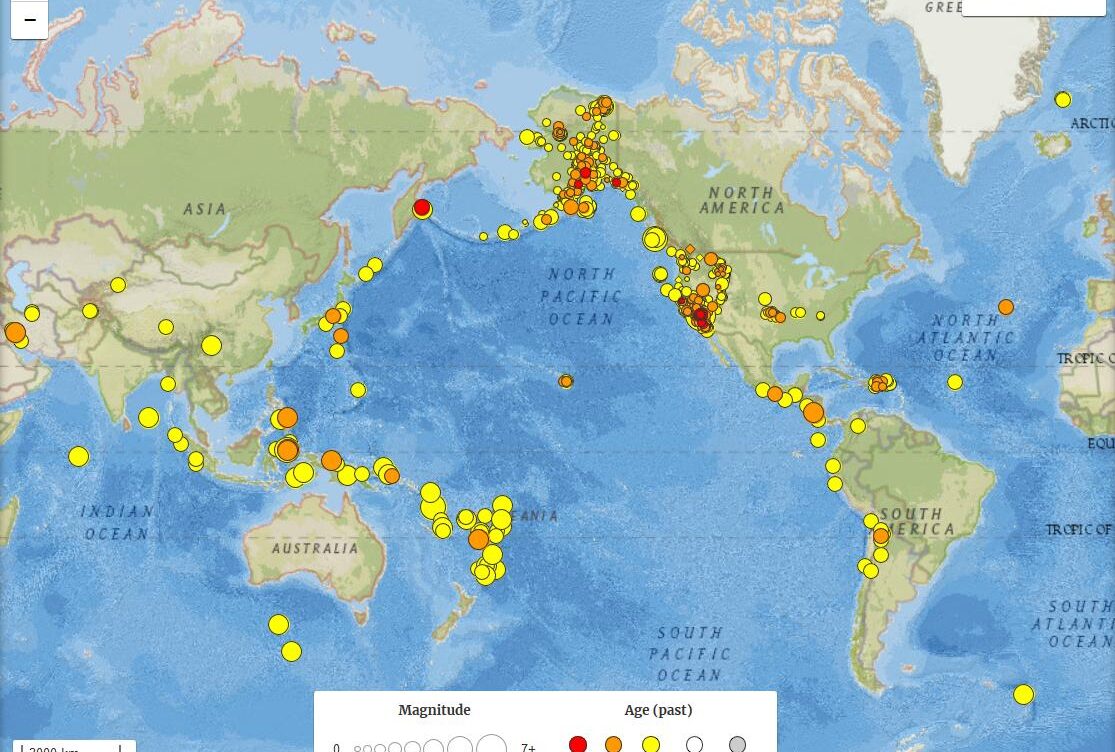
Understanding the Role of USGS in Earthquake Monitoring
Introduction to USGS Earthquake Monitoring
The United States Geological Survey (USGS) plays a critical role in monitoring and researching earthquakes, which are a natural phenomenon that can cause significant damage and loss of life. With the United States being home to several active fault lines, understanding earthquakes is crucial for preparedness and response strategies.
Recent Earthquake Activity
In recent weeks, the USGS has reported a notable increase in earthquake activity across various regions in the country, particularly California and Alaska. On September 23, 2023, a 6.1 magnitude earthquake struck near the coast of Northern California, prompting alerts from emergency services and the USGS. Fortunately, no major injuries were reported, but the quake served as a reminder of the ever-present seismic risks in the area.
The Role of USGS
The USGS operates the National Earthquake Information Center (NEIC), which collects data on earthquakes and disseminates information to the public and emergency management agencies. Through state-of-the-art monitoring equipment, the NEIC can provide real-time data on seismic activities, allowing for quick responses and informed decision-making during emergencies. Additionally, the USGS conducts research to understand earthquake processes and develop improved predictive models to enhance the safety of communities at risk.
Importance of Public Awareness
Public awareness and preparedness are essential components of reducing the impact of earthquakes. The USGS encourages citizens to familiarize themselves with earthquake safety measures, such as creating emergency kits and developing communication plans. Engaging in community-based preparedness programs further enhances collective resilience.
Conclusion
The USGS’s role in earthquake monitoring and research is vital for safeguarding lives and property. As seismic activity continues to present risks, ongoing education and research efforts from the USGS will contribute to better preparedness. As technology advances, future earthquake detection and assessment methodologies may improve further, strengthening our capabilities in dealing with such natural disasters. It is essential for individuals and communities to stay informed and prepared, ensuring the safety of all in the event of an earthquake.