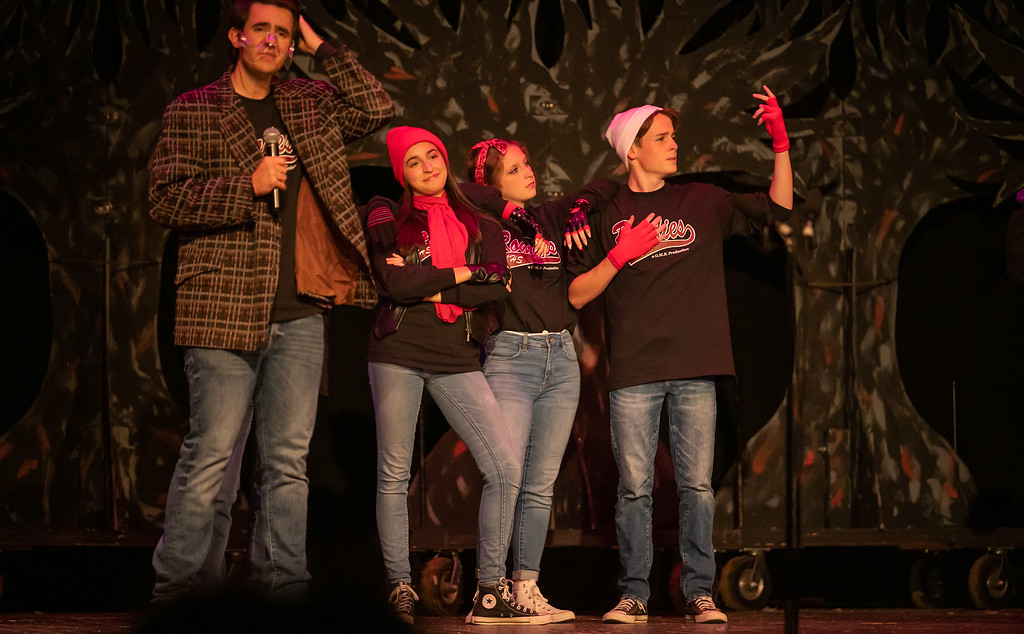
Understanding the Role of Drama in Society and Entertainment
Introduction
Drama has long been a pivotal element in the arts, serving as a mirror to society, a platform for dialogue, and a catalyst for cultural change. From ancient Greek tragedies to contemporary plays and films, the drama reflects the complexities of human emotion and social issues. The relevance of drama in today’s world cannot be overstated, especially in an era where storytelling has the power to influence perspectives and foster empathy.
Current Trends in Drama
In recent years, the landscape of drama has evolved significantly. Live theater has faced challenges due to the COVID-19 pandemic, pushing many productions to adapt through virtual platforms. According to a report by The Theater Communications Group, 65% of theaters have increased their digital output to connect with audiences remotely, showcasing the resilience and adaptability of the art form.
Moreover, the rise of streaming services has led to the creation of diverse dramatic content, with platforms like Netflix and Hulu investing heavily in original programming. This has made drama more accessible than ever, reaching a global audience and introducing unconventional narratives that challenge traditional storytelling norms.
The Cultural Impact of Drama
Drama serves not only as entertainment but as a significant vehicle for social commentary. Productions that tackle pressing issues such as racial discrimination, gender equality, and environmental concerns provoke thought and discussion among viewers. For instance, plays such as “Fairview” and films like “Judas and the Black Messiah” have garnered attention for their poignant exploration of race relations in America.
Furthermore, drama has the unique ability to foster a sense of community. The shared experience of watching a live performance or a gripping series sparks conversations and reflects collective feelings, helping to bridge social divides.
Conclusion
The significance of drama in our society cannot be ignored. As it continues to adapt and thrive amidst challenges, its cultural relevance is poised to grow. The fusion of digital technology and traditional performance art is not just a trend but a potential pathway for reaching broader audiences and addressing critical societal issues. For readers and audiences alike, engaging with drama means participating in an essential dialogue about the human experience, one story at a time.