Understanding the Recent Twitter Outage and Its Impacts
Introduction
On October 2023, millions of Twitter users around the globe experienced a significant disruption in service due to an unexpected outage. As social media plays a crucial role in communication, the sudden inability to access Twitter raised concerns about the reliance on digital platforms for news, marketing, and social interaction. This outage not only affected individual users but also had substantial implications for businesses and organizations that leverage Twitter for engagement.
Main Events of the Outage
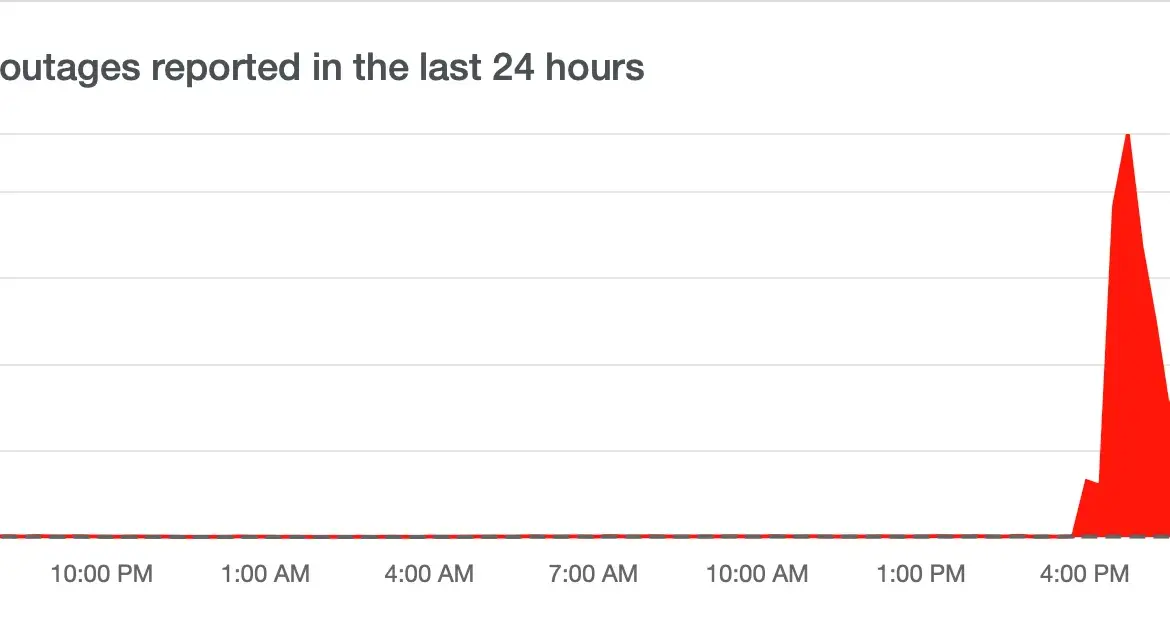
The outage began around midday EDT on October 12, 2023, when users reported difficulties in logging into their accounts, while others saw error messages or failed to load content. Many users took to alternative platforms to voice their frustrations, sharing memes and updates on the situation. Reports indicated that the issues persisted for several hours, affecting millions of tweets globally.
According to Twitter’s transparency page, the company acknowledged the outage through a series of tweets outlining that they were aware of the service disruptions and were working to resolve them. While the exact cause of the outage is still under investigation, preliminary reports suggest that a configuration error triggered the service issues. This incident sparked discussions about the vulnerability of digital infrastructure and the critical nature of uptime in social media platforms.
The Impact of the Outage
The implications of the Twitter outage extended beyond mere inconvenience; businesses reliant on Twitter for customer engagement faced disruptions in their marketing strategies. Brands that typically engage in live-tweeting events were effectively sidelined, and communications related to customer service inquiries were stalled. An analysis by Industry experts suggests that such outages could lead to a loss of consumer trust, especially during critical promotional periods.
Furthermore, the outage prompted conversations about digital resilience. Many organizations took the opportunity to assess their own communication strategies and the vulnerabilities of being heavily dependent on a single platform. This event underscored the importance of diversifying communication channels to mitigate risks associated with potential future outages.
Conclusion
The recent Twitter outage serves as a reminder of the fragility of online communication platforms and their pervasive role in our lives. As social media continues to shape modern interactions, outages like these highlight the need for reliability and the potential fallout from disruptions. Moving forward, both users and businesses may consider wider strategies to ensure communication is maintained across multiple platforms, making it crucial to stay informed about updates from Twitter and similar social media giants. The event invites reflection on our reliance on technology and urges a call for enhanced infrastructure to support social interaction in the digital age.