Understanding the Latest Inflation Trends in 2023
Introduction
The topic of inflation has become increasingly significant in recent times, with rates reaching levels not seen in over four decades. For consumers, businesses, and policymakers, understanding the latest inflation trends is critical for making informed decisions. As global economies grapple with the effects of the COVID-19 pandemic, supply chain issues, and geopolitical conflicts, the implications of rising prices are felt across various sectors.
The Current State of Inflation
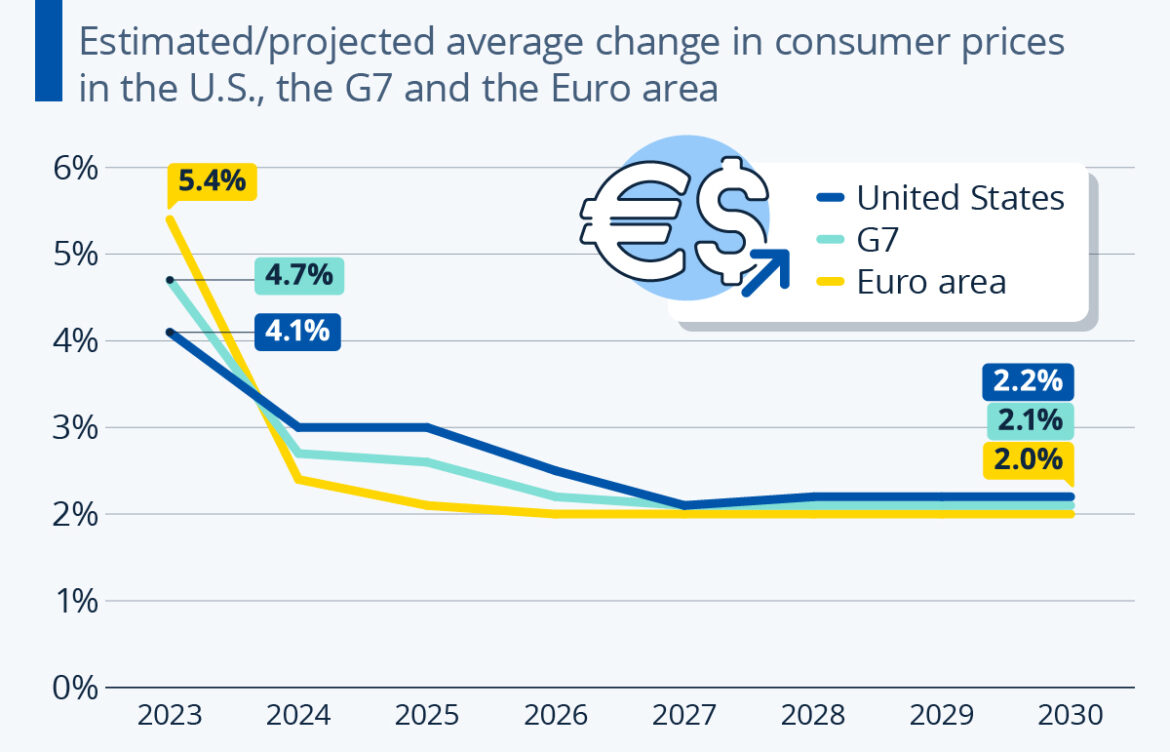
As of October 2023, the most recent data from the Bureau of Labor Statistics indicates that the annual inflation rate stands at approximately 4.3%. While this figure marks a decrease from the previous year’s highs, it still represents significant price increases in essential goods and services. Notably, energy prices have seen a resurgence due to factors like OPEC’s production cuts and Russia’s ongoing conflict with Ukraine. Food prices, too, have remained volatile as global supply chains continue to adjust.
Sector-Specific Impacts
Industries that have faced the brunt of inflation include housing, where home prices and rents have skyrocketed due to limited inventory and rising demand. Additionally, the transportation sector has been affected by elevated fuel costs, impacting everything from shipping rates to the price of consumer goods. Industries such as healthcare have also felt the impact, as insurance premiums and medical costs increase year after year, further pressuring household budgets.
Federal Reserve Actions
In response to ongoing inflationary pressures, the Federal Reserve has implemented a series of interest rate hikes aimed at cooling the economy. As of late 2023, the federal funds rate is between 5.25% and 5.50%, marking one of the highest rates in years. While these measures have slowed down economic growth, they are also anticipated to help in mitigating inflation in the longer term by making borrowing more expensive.
Looking Ahead
Looking forward, economists remain cautiously optimistic. Although inflation is expected to slowly decrease over the coming months, reaching a target rate of around 2% by late 2024, various risks abound. Supply chain disruptions, changing consumer behavior, and potential geopolitical tensions could further complicate the inflation landscape. It is important for consumers and businesses to remain informed and adapt to the evolving economic climate.
Conclusion
The current state of inflation is a nuanced issue that carries significant weight for everyday life and the broader economy. With prices continuing to rise in several key sectors, the latest inflation data underscores the need for vigilance among consumers and policymakers alike. By staying informed on trends and economic indicators, stakeholders can better navigate the challenges presented by inflation in 2023 and beyond.