Understanding the Importance of Stonewall National Monument
Introduction
The Stonewall National Monument, inaugurated in 2016, holds immense importance as the first national park dedicated to LGBTQ+ rights in the United States. Located in the Greenwich Village neighborhood of New York City, it commemorates the Stonewall Riots of 1969, an event that solidified the fight for LGBTQ+ justice and equality. This monument serves not only as a historical landmark but also as a symbol of resilience and the ongoing battle for civil rights, making it relevant in today’s society as discussions around LGBTQ+ rights continue.
Historical Context
The Stonewall Riots began in the early morning hours of June 28, 1969, when patrons of the Stonewall Inn resisted a police raid. For years, LGBTQ+ individuals faced discrimination and harassment, and this pivotal moment sparked a nationwide movement advocating for LGBTQ+ rights. The riots lasted for several days and galvanized activists, leading to the first Pride marches held in 1970.
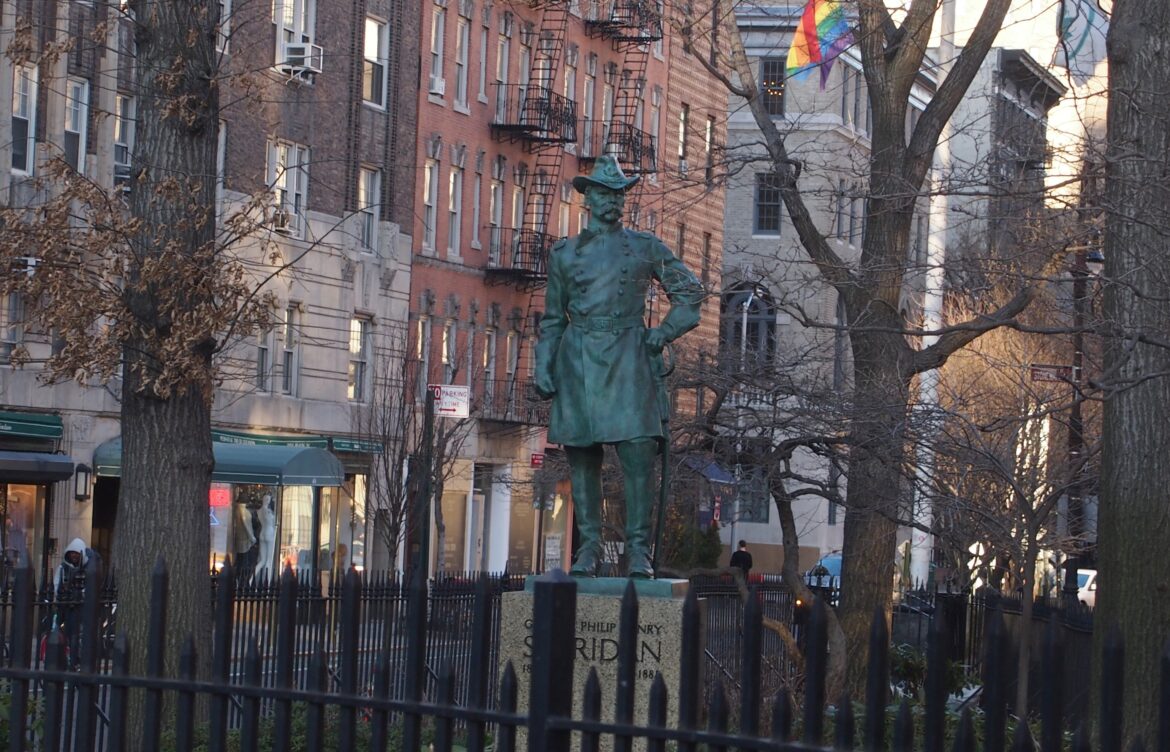
The establishment of the Stonewall National Monument marked a significant acknowledgment of this history. In addition to the Stonewall Inn, the site also incorporates the surrounding Christopher Park, further emphasizing the importance of community in the ongoing struggle for equality.
Current Events and Recognition
In recent years, the Stonewall National Monument has gained increased attention both as a tourist destination and a site for activism. Events such as LGBTQ+ Pride celebrations, educational programs, and community gatherings draw visitors from across the globe, highlighting the monument’s role in championing LGBTQ+ rights.
Additionally, in 2021, the National Park Service announced plans to expand educational programs at Stonewall National Monument, including collaborations with local LGBTQ+ organizations. These initiatives aim to promote awareness of LGBTQ+ history, culture, and the continuing fight for equality, engaging a new generation in activism.
Conclusion
The Stonewall National Monument stands as a powerful reminder of the LGBTQ+ community’s resilience and their ongoing fight for rights and acceptance. It not only celebrates a pivotal moment in American history but also symbolizes the struggles that continue today. By visiting, engaging with, and advocating for this site, individuals can contribute to honoring the legacy of those who fought for equality, ensuring that the message of inclusiveness and acceptance endures for future generations.