Understanding the Impact of the Recent Noreaster
Introduction
As winter settles in across the northeastern United States, the arrival of a noreaster brings significant weather challenges affecting millions. This type of storm, characterized by strong winds and heavy precipitation, has become increasingly relevant for residents and local governments alike, particularly as climate patterns continue to shift. The recent noreaster that struck the region is a reminder of the potential hazards such storms pose, including travel disruptions, power outages, and health risks.
Details of the Recent Noreaster
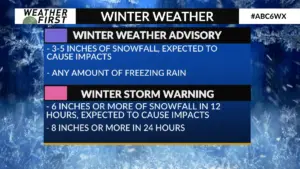
The noreaster, which began affecting the region on January 15, 2023, brought varying degrees of snowfall, high winds, and coastal flooding. States from New York to Maine experienced heavy snow accumulations, with reports ranging from 6 to 24 inches in different areas. Wind gusts reached up to 60 mph, causing power outages impacting over 100,000 homes and businesses as utility companies scrambled to restore electricity amidst the harsh conditions.
Authorities issued travel advisories throughout the affected areas, urging residents to avoid non-essential travel. Major highways, including I-95 and I-90, experienced delays and closures due to snow accumulation and poor visibility. Airports also faced significant disruptions, with hundreds of flights canceled or delayed, stranding travelers during the busy winter season.
The Response and Recovery Efforts
In response to the noreaster, local and state governments activated emergency protocols. Snow removal crews worked around the clock, while emergency services prepared to respond to any incidents related to the harsh weather. Schools closed temporarily, and public transportation systems adapted their services to ensure safety and mitigate risks.
Conclusion
The recent noreaster serves as a stark reminder of the power of nature and the importance of preparedness as we head deeper into winter. Weather experts emphasize that with changing climate conditions, instances of severe winter storms may become more frequent. For residents in affected areas, staying informed through local news and government advisories can help minimize risks associated with these powerful storms. As communities recover, the focus on infrastructure resilience and emergency preparedness will be crucial to minimizing future impacts from noreasters and other extreme weather events.