Understanding the Current Trends in the Price of Gold
Introduction
The price of gold is a critical indicator of economic stability, investment trends, and global market performance. Due to its status as a safe-haven asset, fluctuations in gold prices often signal shifts in financial uncertainty, inflation rates, and currency stability. As we approach the end of 2023, understanding the current trends in gold prices is essential for investors, consumers, and policymakers alike.
Recent Trends in Gold Prices
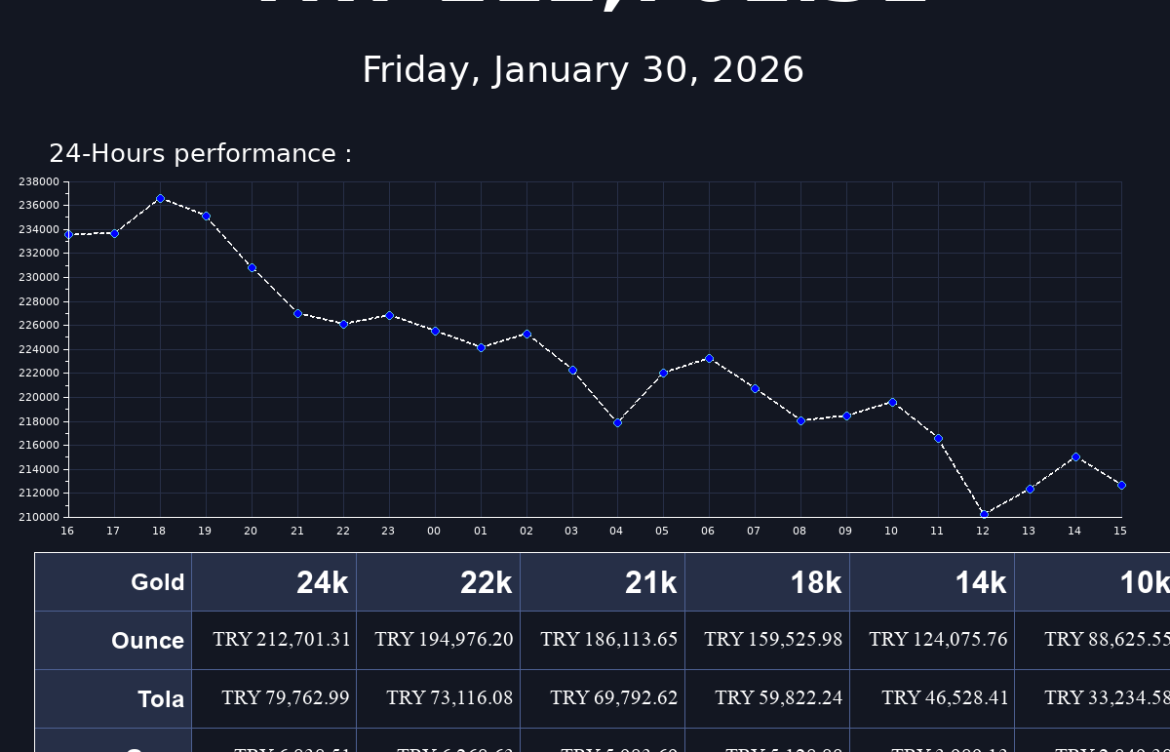
As of late October 2023, gold is trading at approximately $1,950 per ounce, showing a modest increase of about 3% over the last quarter. Analysts attribute this rise primarily to geopolitical tensions in Eastern Europe, persistent inflationary pressures, and a weakening U.S. dollar. Notably, the price surge has been accompanied by increasing demand for physical gold, particularly in emerging markets where gold jewelry remains a traditional form of wealth storage.
Market Influences on Gold Pricing
Several factors play a role in influencing the price of gold. Firstly, central bank policies have a significant impact; the U.S. Federal Reserve’s recent interest rate decisions have contributed to the fluctuations in gold prices. As interest rates rise, the opportunity cost of holding non-yielding gold increases, often leading to reduced demand. Conversely, lower rates can drive investments towards gold as a hedge against inflation.
Moreover, the strength of the U.S. dollar is inversely correlated with gold prices. A weaker dollar typically boosts gold prices, as gold becomes cheaper for investors holding other currencies. Additionally, emerging markets have shown an uptick in gold purchases; countries like India and China are expected to increase their gold imports during the upcoming festive season, which historically sees a spike in consumer demand.
Investor Sentiment and Future Outlook
Investor sentiment surrounding gold remains cautiously optimistic. Many market analysts predict that if current economic conditions persist—marked by high inflation and global instability—the price of gold could reach or surpass $2,000 per ounce in the coming months. However, they also caution that potential federal rate hikes and economic recovery could place downward pressure on gold prices.
Conclusion
The price of gold remains a relevant barometer for economic conditions and investor confidence. As we navigate through the complexities of the current market, understanding these dynamics will be crucial for informed decision-making. Investors should keep a close eye on global economic indicators and central bank policies, as they will inevitably shape the trends in gold prices in both the short and long term.