Understanding the Current Situation in Somalia
Introduction
Somalia, located on the Horn of Africa, has been plagued by instability, civil conflict, and humanitarian crises for decades. Understanding Somalia’s current situation is vital not only for its citizens but also for regional security and international relations. The ongoing challenges, alongside recent political developments, are crucial for anyone interested in global issues, humanitarian efforts, and geopolitical dynamics.
Current Political Landscape
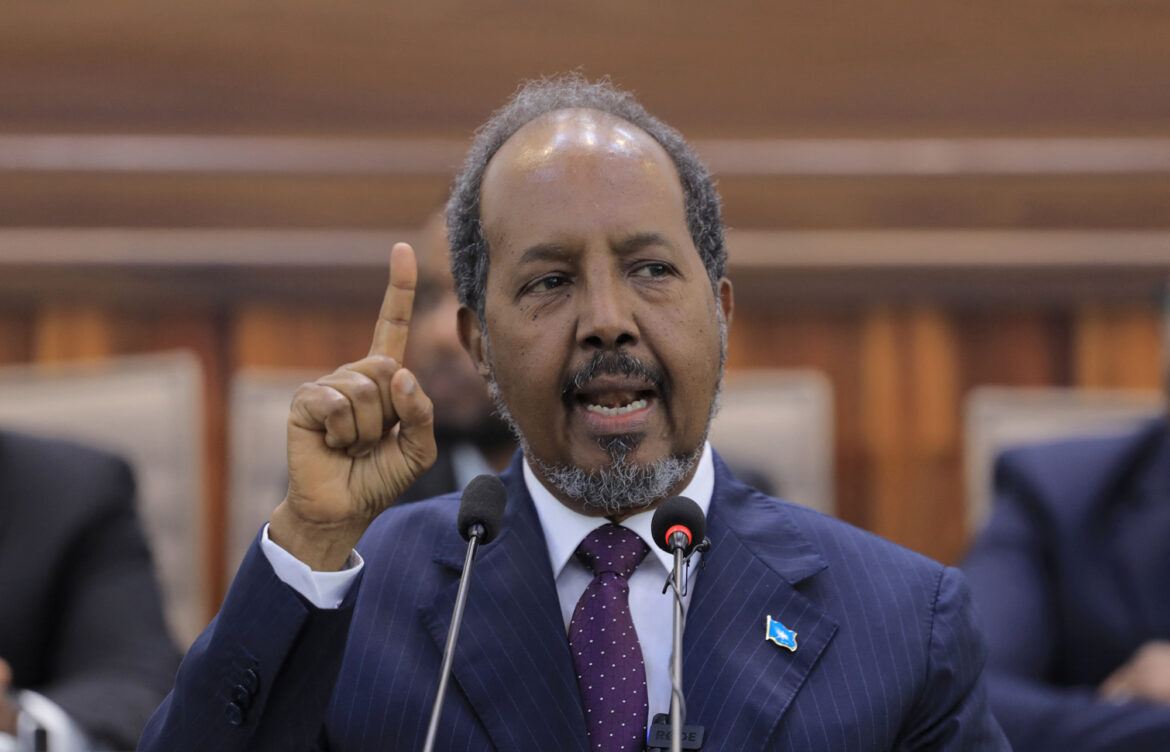
The political environment in Somalia remains complex as the country struggles with both internal and external challenges. Since the establishment of the Federal Government in 2012, efforts have been made to stabilize the country, yet political disputes continue to hinder progress. Recently, the September 2023 parliamentary elections were postponed, generating concerns over governance and the possible resurgence of clan conflicts. This political uncertainty could impede humanitarian assistance and exacerbate existing tensions.
Humanitarian Crisis
Somalia faces one of the worst humanitarian crises globally, worsened by a severe drought that has affected millions. According to the United Nations, around 7.8 million people, nearly half of the population, require humanitarian aid. The effects of climate change have contributed to irregular rainfall patterns, devastating crops and livestock, leading to food insecurity and malnutrition. Additionally, the ongoing threat from militant groups, primarily Al-Shabaab, complicates humanitarian access and increases vulnerabilities among civilians.
International Aid and Response
International organizations and donor countries have been stepping up their efforts to address the crises in Somalia. In 2023, the U.S. government pledged $100 million in humanitarian assistance to help alleviate food shortages and support displaced populations. Meanwhile, partnerships with NGOs and local organizations aim to implement effective response strategies. However, continuous conflict and political instability pose significant obstacles to these initiatives.
Conclusion
The situation in Somalia demands urgent attention and action from both national and international stakeholders. The convergence of political instability, humanitarian crises, and security threats creates a challenging environment for recovery and development. As we move forward, it is essential to monitor how the upcoming political changes will influence the humanitarian landscape and what roles various international entities will play in supporting Somalia’s path towards stability and growth. The future of Somalia is contingent upon collective efforts to foster peace, provide assistance, and build resilient systems for its people.