Understanding the Current Political Landscape of Benjamin Netanyahu
Introduction
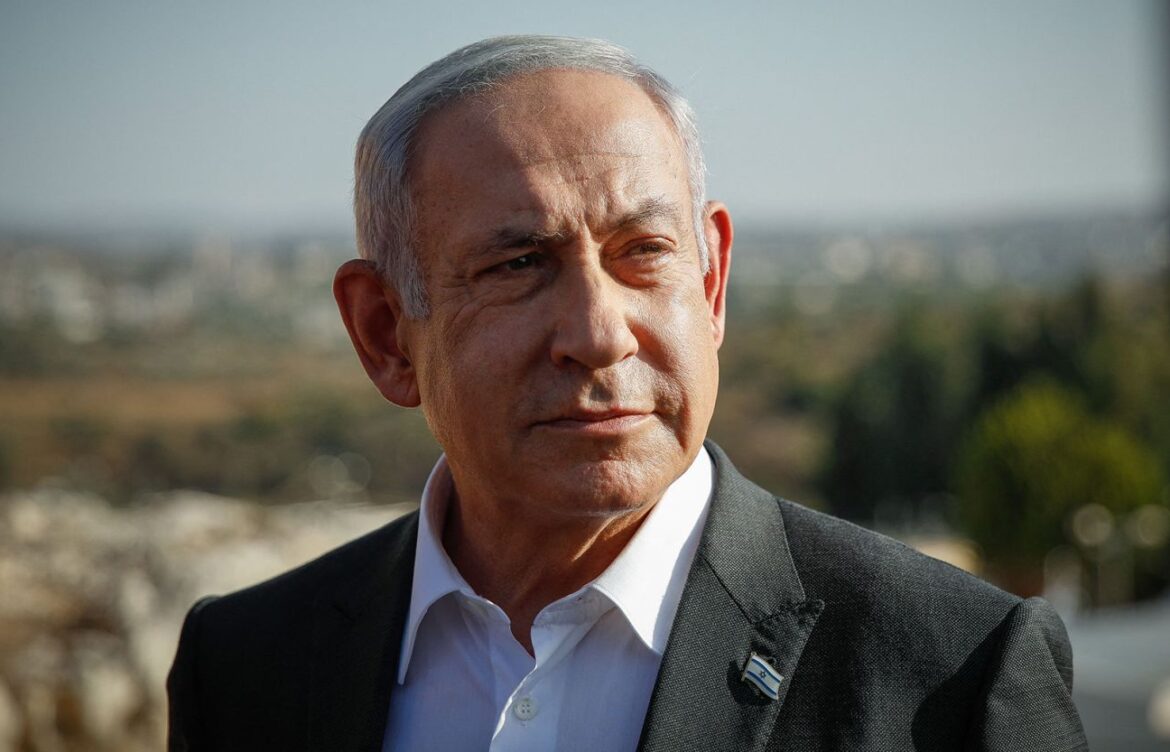
Benjamin Netanyahu, Israel’s longest-serving prime minister, has been a pivotal figure in the Middle Eastern political arena. His leadership has often sparked intense debate both domestically and internationally. As Israel faces ongoing challenges such as security threats, economic issues, and political divisions, understanding Netanyahu’s role and strategies is more critical than ever.
Recent Developments
In the past few months, Netanyahu has navigated through a tumultuous political atmosphere. Following a series of protests against his proposed judicial reforms, which critics argue might undermine the independence of the judiciary, his government has faced mounting pressure. In April 2023, demonstrations intensified, leading to significant public dissent, forcing Netanyahu to pause the legislation temporarily.
Furthermore, the recent conflict escalation in Gaza has renewed criticisms against his leadership. The exchange of rocket fire and retaliatory airstrikes led to casualties on both sides. Netanyahu’s response was characterized by a hardline stance, asserting Israel’s right to defend itself while receiving international scrutiny for the humanitarian impact of military actions.
Public Opinion and Political Stability
Netanyahu’s popularity has fluctuated, influenced by his handling of the COVID-19 pandemic and the current economic recovery. While some see him as a stabilizing force amid regional tensions, others criticize his government’s approach to social issues and democratic governance.
Recent polls indicate a divided electorate, revealing that while a significant portion still supports Netanyahu, there is a growing segment demanding change. This reflects a broader concern about democratic backsliding in Israel and has implications for Netanyahu’s political future.
Conclusion
As Benjamin Netanyahu continues to influence Israeli politics, the impact of his leadership remains profound. His decisions in the coming months will not only shape the future of his government but also have lasting effects on Israel’s international relationships. Observers predict that if tensions continue to escalate or if economic challenges worsen, the pressure on Netanyahu to adapt his strategies will increase, potentially reshaping the political landscape in Israel.