Understanding the Current CPI Inflation Rate and Its Impact
Introduction
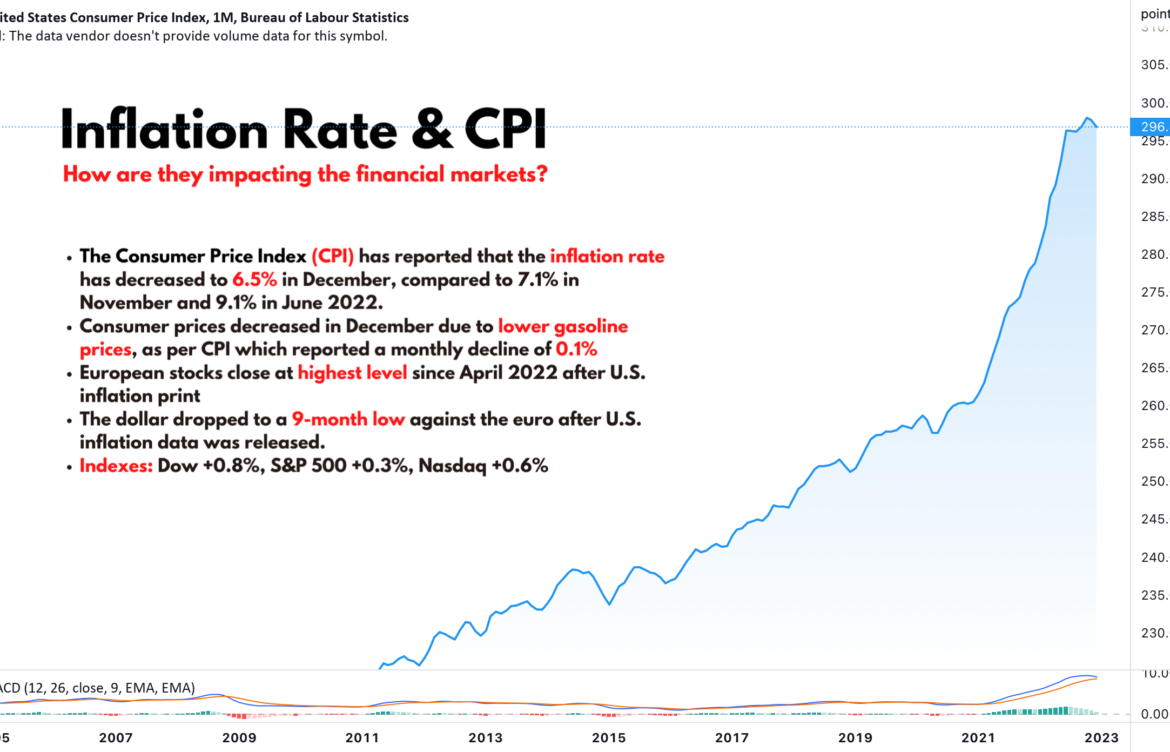
The Consumer Price Index (CPI) inflation rate is a vital economic indicator that measures the average change over time in the prices paid by consumers for a basket of goods and services. Understanding the CPI inflation rate is crucial as it affects purchasing power, monetary policy, and overall economic health. Recent fluctuations have sparked discussions among economists and policymakers about potential long-term effects on the economy.
Current CPI Inflation Trends
As of September 2023, the CPI inflation rate stands at 3.7%, a decrease from the previous month’s 3.8%. This figure reflects a gradual easing of inflationary pressures that have persisted since 2021. Major contributing factors include declines in energy prices and easing supply chain constraints due to a stabilization of production levels in key sectors.
Despite this positive trend, food prices remain a concern. The CPI report shows that the food index increased by 0.2% in September, continuing a trend of rising costs driven by various factors, including intense weather conditions affecting crop yields and heightened transportation costs.
Economic Implications
The Federal Reserve has closely monitored CPI inflation rates to adjust its monetary policy accordingly. While some economists suggest that the current rates indicate a cooling economy, others warn that further increases in food and housing prices could undermine these gains.
The Federal Reserve’s commitment to target a 2% inflation rate means that despite recent improvements, there may be further interest rate adjustments on the horizon to ensure inflation remains controlled. The potential for increased borrowing costs could impact consumer spending and investment, which are critical for economic expansion.
Looking Ahead
Experts predict that CPI inflation rates might stabilize in the coming months, particularly if global supply chains continue to recover and the labor market remains strong. However, officials caution that external shocks, such as geopolitical tensions or natural disasters, could affect predictions. Consumers are advised to stay proactive, assessing their financial situations as inflation continues to influence market conditions.
Conclusion
The CPI inflation rate remains a crucial measure for understanding the economic landscape in the United States. With the current rate at 3.7%, it reflects both positive trends and ongoing challenges. For consumers and businesses alike, keeping informed about these developments is essential for making sound financial decisions. As conditions evolve, it will be important to monitor how the CPI inflation rate influences economic policy and individual financial health in the months to come.