Understanding the ChatGPT Caricature Trend in Modern Art
Introduction
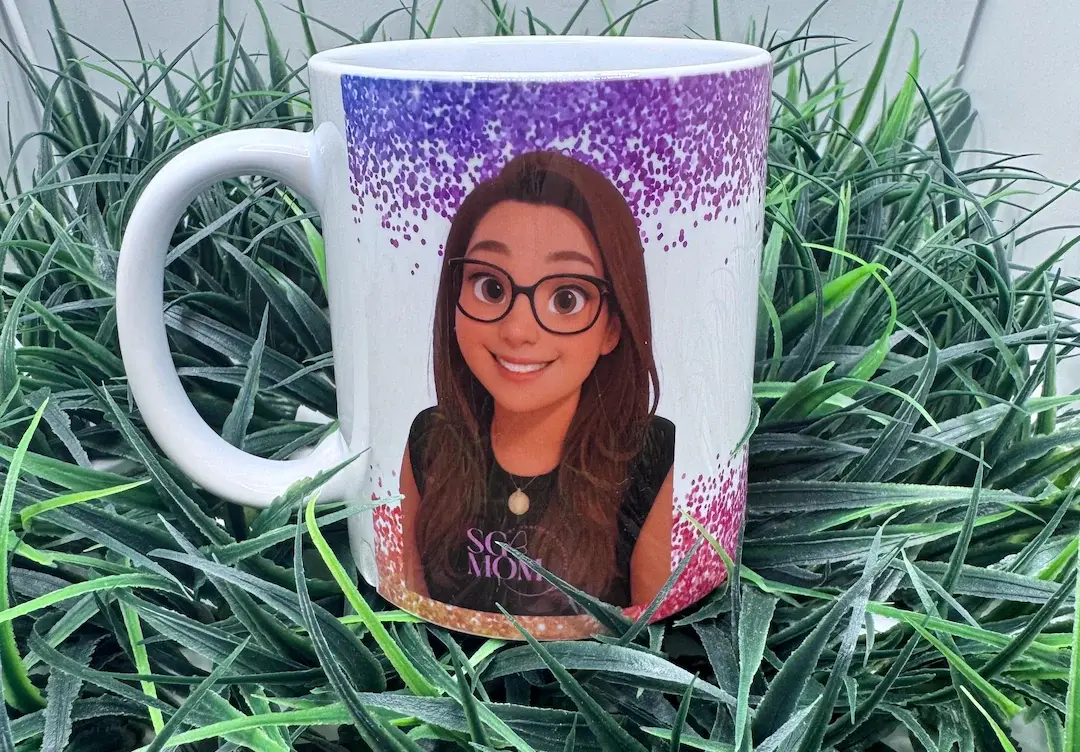
The advent of artificial intelligence in creative fields has opened new avenues for artistic expression. Among these innovations is the rising trend of ChatGPT caricatures, where users engage with AI-generated representations of themselves or others, often seen on social media platforms. This trend is relevant not only for its entertainment value but also for its implications on creativity, identity, and digital culture.
The Rise of AI Art Generation
Over the past few years, AI-generated art has seen a remarkable uptick in popularity. Tools like OpenAI’s ChatGPT have enabled users to create amusing caricatures that take on exaggerated features and humorous attributes of individuals. As of 2023, various platforms have integrated AI capabilities, allowing users to input their features or personality traits, resulting in personalized caricatures. Websites such as Artbreeder and DeepArt have paved the way for users to experiment with AI-generated content, but ChatGPT has added a layer where users can engage through dialogue to refine and shape their AI creations.
Impact on Digital Culture
The ChatGPT caricature trend has had a significant impact on digital culture, especially on social media platforms like Instagram and TikTok, where influencers and users share their AI-generated artworks. Hashtags like #ChatGPTcaricature have gained traction, fostering communities around the exploration of AI art. This trend not only highlights the intersection of technology and traditional art forms but also raises important discussions about originality, authorship, and the role of human creativity in the age of AI.
Considerations and Outlook
As the ChatGPT caricature trend continues to evolve, it is essential for users and creators to remain mindful of the ethical considerations surrounding AI-generated content. Questions revolving around copyright, data privacy, and the potential for misuse of caricature images are becoming increasingly pertinent. Moreover, the trend’s longevity may depend on the community’s ability to innovate and adapt without losing the essence of personal expression. Looking ahead, as AI tools develop further, the potential for collaborative art-making between humans and machines seems promising, offering unprecedented opportunities for creativity.
Conclusion
The ChatGPT caricature trend represents a unique intersection of art, technology, and social interaction. As more people engage with AI to explore their artistic expressions, this trend underscores the evolving landscape of creativity in the digital age. While challenges and ethical considerations remain, the future of AI art appears bright, with endless possibilities for collaboration and innovation awaiting discovery.