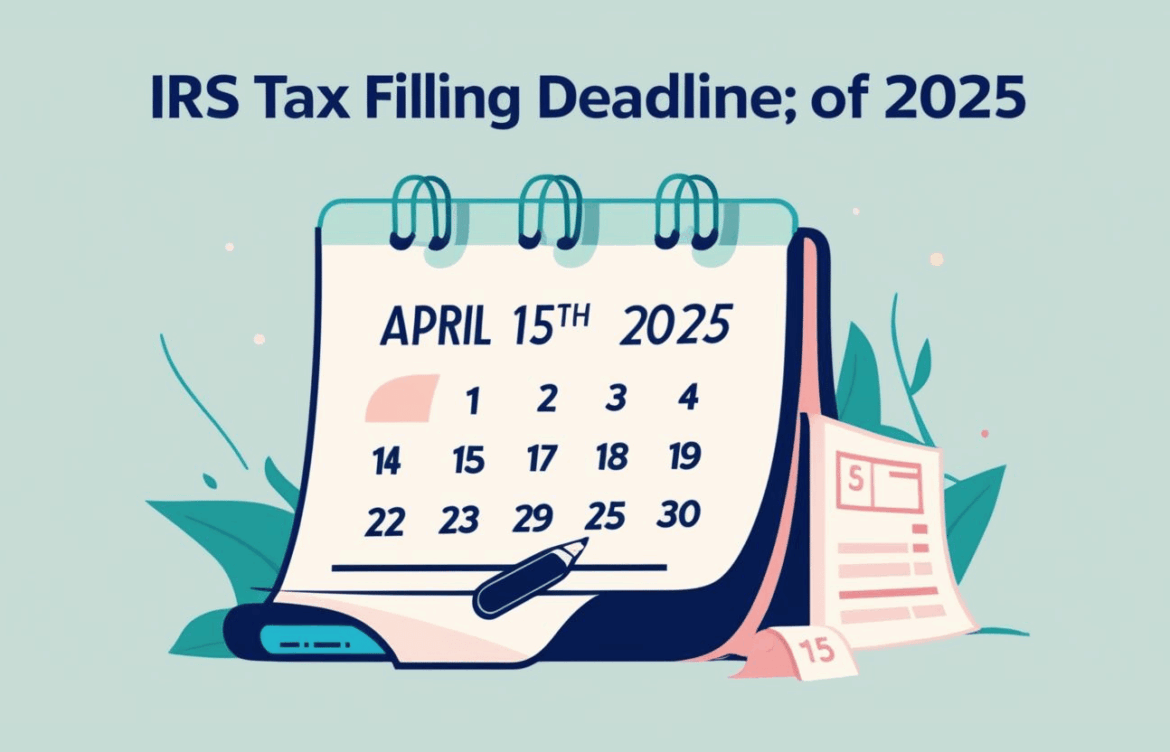
Understanding the 2024 Tax Filing Deadline
The Importance of the Tax Filing Deadline
The tax filing deadline is a crucial date for millions of Americans, marking the end of the tax season when individuals and businesses must submit their federal income tax returns. Missing the deadline can lead to penalties, interest, and additional stress during an already busy time of year. As the IRS has defined changes and adjustments in recent years, understanding these deadlines is more important than ever for proper financial planning.
Key Dates for 2024
The IRS has set the tax filing deadline for April 15, 2024. However, since April 15 falls on a Monday and there are no public holidays affecting the date, taxpayers will need to ensure their returns are filed by this date to avoid penalties. For those who require extra time, the IRS allows taxpayers to file for an automatic six-month extension, pushing the deadline to October 15, 2024. It is essential to note that while this extension allows additional time to file, any taxes owed must still be paid by the original deadline to avoid interest and penalties.
Implications of Missing the Deadline
Failing to file by the deadline can result in severe consequences. The failure-to-file penalty can be as high as 5% of the unpaid taxes for each month your return is late, up to 25% of your unpaid taxes. Furthermore, if you owe taxes and do not pay them by the due date, you might incur interest on the amount owed. Taxpayers are advised to prioritize their filing plans and consider utilizing tax preparation software or consulting with a tax professional as the deadline approaches.
Conclusion and Recommendations
To avoid complications and ensure compliance with IRS regulations, it is advisable for taxpayers to begin organizing their documents early in the tax season. Understanding the tax filing deadline, preparing ahead of time, and seeking professional help when needed can reduce stress and promote timely submissions. By watching the calendar and adhering to the guidelines set forth by the IRS, individuals can navigate the tax season more smoothly and avoid unnecessary financial repercussions. As the April 2024 deadline approaches, it’s essential to stay informed and proactive.