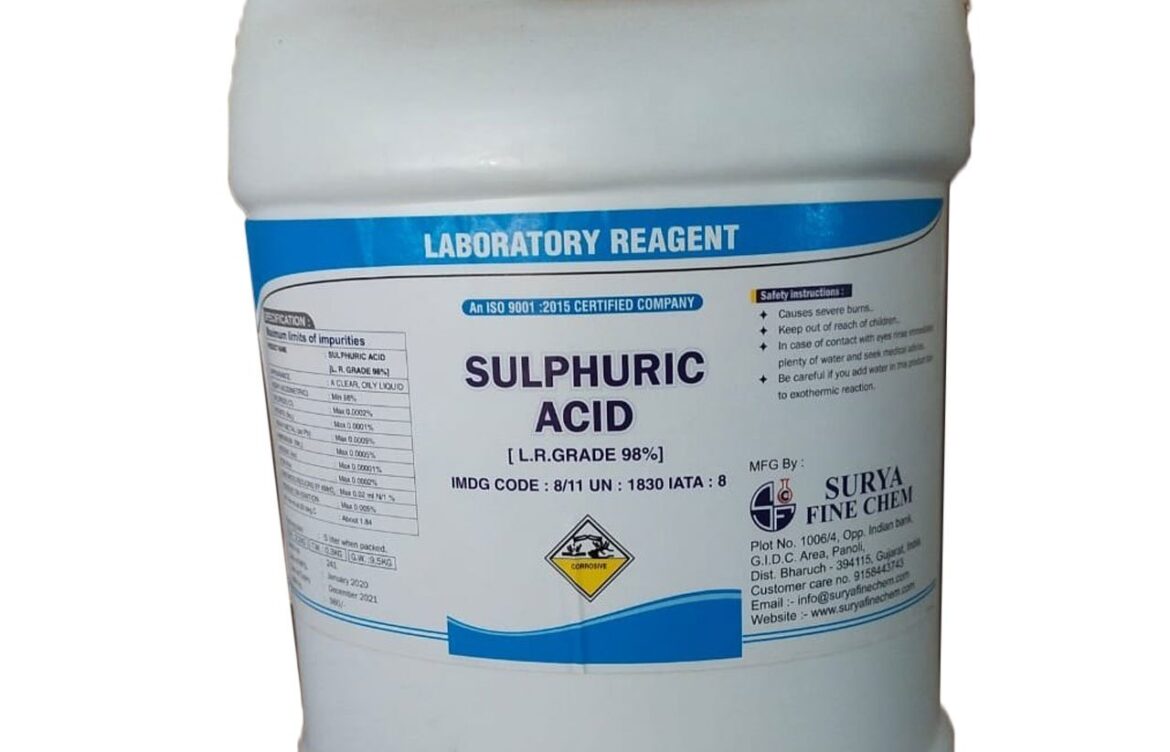
Understanding Sulfuric Acid: Its Importance and Uses
Introduction
Sulfuric acid (H₂SO₄) is one of the most crucial industrial chemicals used worldwide. Recognized for its highly corrosive nature, it plays a vital role in various industries, including manufacturing, petroleum refining, and chemical production. The global sulfuric acid market was valued at approximately $13 billion in 2021 and continues to grow, emphasizing its relevance in the economic landscape.
Key Applications of Sulfuric Acid
Sulfuric acid is derived from sulfur dioxide through the Contact Process, primarily used in the production of other chemicals, fertilizers, and explosives. Here are some key applications:
- Fertilizer Production: It is a key component in producing phosphate fertilizers, which are essential for agricultural productivity.
- Batteries: Sulfuric acid is widely used in lead-acid batteries, commonly found in vehicles and backup power supplies.
- Chemical Manufacturing: It serves as a reagent in producing various chemicals, including hydrochloric acid, nitric acid, and sulfate, used in plastic, dyes, and pharmaceuticals.
- Wastewater Treatment: The acid aids in neutralizing alkaline substances in wastewater and is essential in treating industrial effluents.
- Oil Refining: It is essential in the refining process, where it helps remove impurities from crude oil.
Environmental Considerations and Safety
While sulfuric acid is indispensable in many processes, its corrosive nature poses significant health and environmental risks. Proper handling and storage protocols are critical to minimize accidents and injuries. In recent years, industries have increasingly focused on implementing safety measures and sustainable practices to manage sulfuric acid use.
Conclusion
As sulfuric acid remains integral to numerous industries, its demand is likely to grow in the coming years, reflecting advancements in technology and manufacturing processes. Understanding its applications and potential risks is essential for both industries and consumers, promoting safer and more sustainable use.