Understanding Oceania: Geography, Culture, and Challenges
Introduction to Oceania
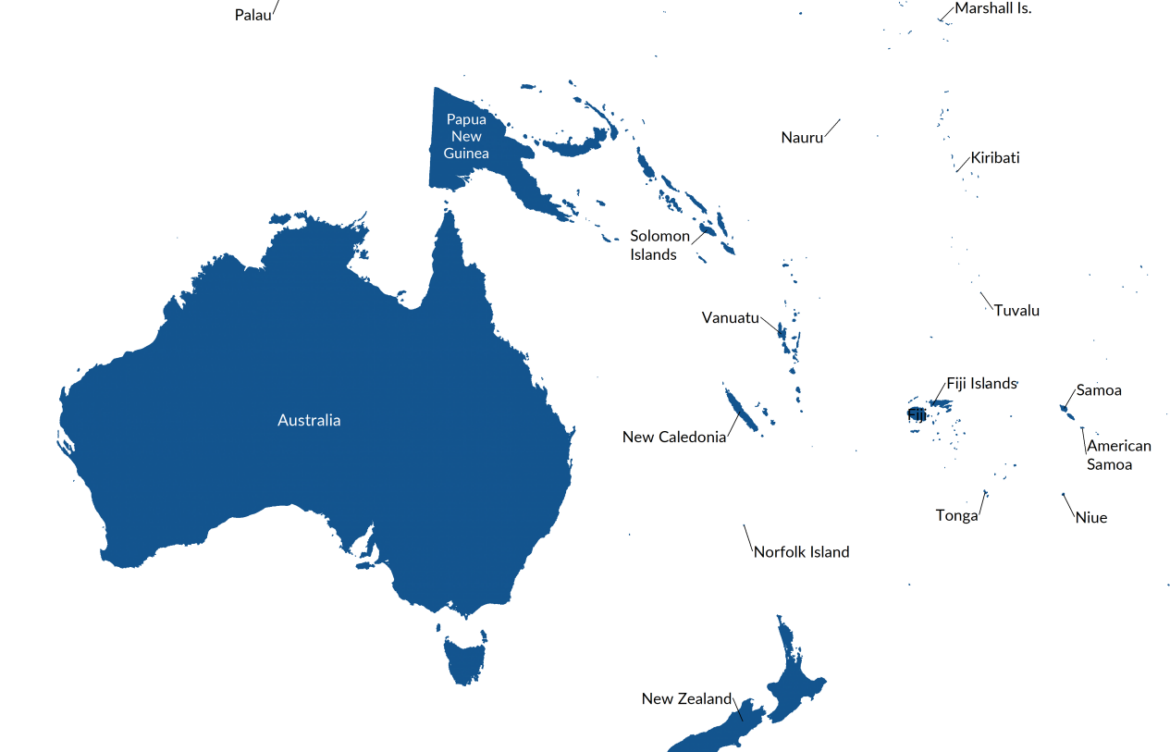
Oceania is a vast and culturally rich region that encompasses the islands of the Pacific Ocean, including Australia, New Zealand, and numerous island nations. Spanning an area of over 3 million square miles, Oceania is known for its diverse ecosystems and vibrant cultures. With climate change and geopolitical shifts impacting its landscape and communities, understanding Oceania’s importance is crucial for both regional and global stability.
The Geography and Composition of Oceania
Geographically, Oceania is divided into several subregions including Melanesia, Micronesia, and Polynesia. Melanesia consists of countries like Papua New Guinea and Fiji, while Micronesia includes Guam and the Marshall Islands. Polynesia includes New Zealand and Hawaiian Islands among others. Each of these regions offers unique landscapes ranging from lush rainforests in Papua New Guinea to the volcanic mountains of Hawaii.
Cultural Diversity
The cultural landscape of Oceania is as varied as its geography. With over 1,000 languages spoken across the region, each island and country reflects a distinct set of traditions, arts, and social customs. Indigenous cultures, particularly the Aboriginal and Torres Strait Islander peoples of Australia, have an incredibly rich heritage, with art and storytelling deeply rooted in their history. Festivals, music, and dance play a vital role in uniting communities and celebrating cultural identities throughout Oceania.
Current Events and Challenges
Oceania faces significant challenges today, notably in the areas of climate change, political instability, and economic development. Rising sea levels threaten many island nations, which are at risk of disappearing in the coming decades. Recent reports indicate that the wealth gap is widening in the region, despite some areas experiencing economic growth driven by tourism and agriculture. Furthermore, geopolitical tensions involving major powers like Australia, China, and the United States put additional strains on regional stability as nations navigate their foreign policies.
Conclusion: The Future of Oceania
The importance of Oceania on the world stage cannot be understated. As climate change continues to reshape its geography, it is critical for global leaders to engage with Oceania and support sustainable development initiatives. Additionally, embracing and celebrating the rich cultural diversity of the region will foster better understanding and cooperation among nations. As we look ahead, maintaining a balance between modern development and environmental conservation will be key to securing the future of Oceania for generations to come.