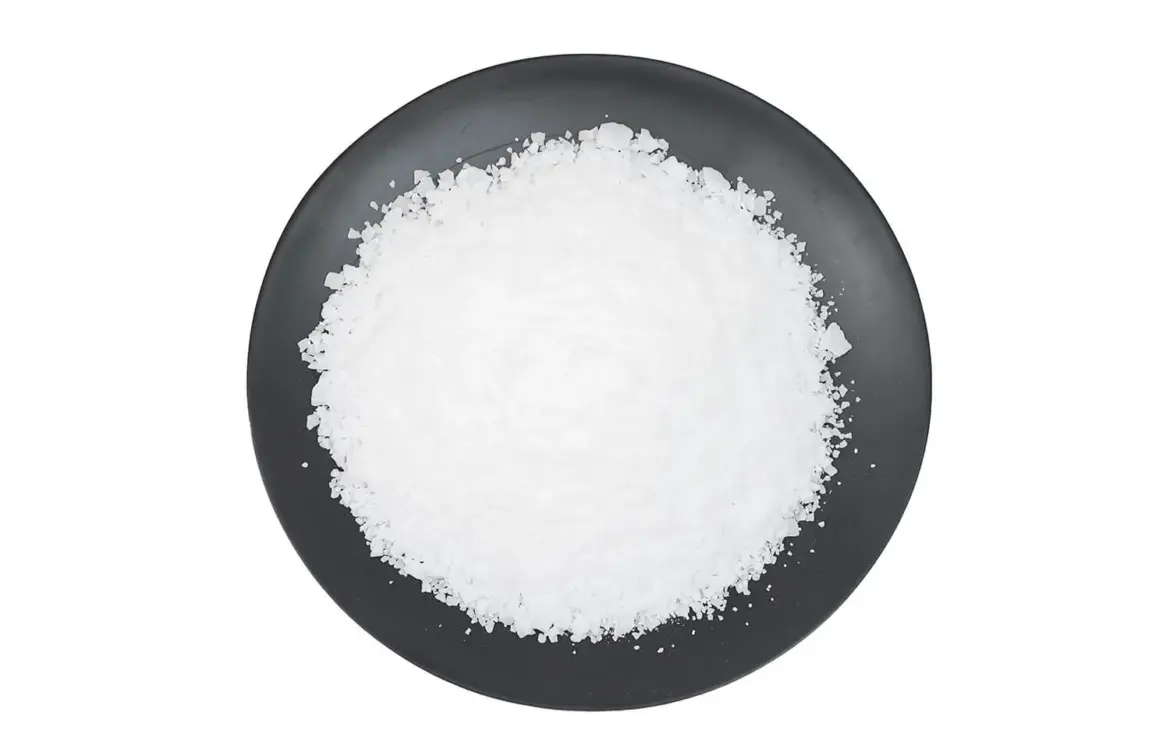
Understanding Hyaluronic Acid: Benefits and Applications
Introduction
The rise of hyaluronic acid in the beauty and health industries has made it a prominent ingredient in skincare and medical treatments. Known for its remarkable hydrating properties, hyaluronic acid plays a crucial role in maintaining skin elasticity and overall health. Its relevance has grown significantly in recent years, especially as more consumers seek effective anti-aging solutions and natural skincare products.
What is Hyaluronic Acid?
Hyaluronic acid (HA) is a naturally occurring substance in the body, primarily found in connective tissues, skin, and cartilage. It is a glycosaminoglycan, a type of molecule that can hold up to 1,000 times its weight in water. This ability to retain moisture is what makes HA a sought-after ingredient in skincare formulations, helping to hydrate the skin and maintain its plumpness.
Benefits of Hyaluronic Acid
In skincare, hyaluronic acid offers several benefits:
- Moisture Retention: HA helps the skin attract and retain moisture, making it a key ingredient in serums and moisturizers.
- Anti-Aging: By keeping the skin hydrated, hyaluronic acid can reduce the appearance of fine lines and wrinkles, promoting a youthful look.
- Soothing Properties: HA can help calm irritated skin and is often included in formulations intended for sensitive skin.
- Wound Healing: Research indicates that hyaluronic acid can accelerate the healing process of wounds, making it beneficial in therapeutic applications.
Hyaluronic Acid in Medicine
In addition to cosmetic uses, hyaluronic acid is also utilized in various medical treatments. It is commonly found in joint injections for osteoarthritis, where it helps lubricate joints and reduce pain. Moreover, HA is employed in eye surgeries and treatments, including cataract surgery and corneal transplants. Its ability to promote healing and maintain moisture is invaluable in these medical contexts.
Current Trends and Future Outlook
The trend toward clean beauty continues to elevate the status of hyaluronic acid, with consumers favoring products that include this natural ingredient. Dermatologists and beauty influencers are increasingly endorsing its use, leading to an expanding market for HA-infused products. As research into its benefits continues, the potential for new applications in skincare and health appears promising.
Conclusion
Hyaluronic acid remains a vital element in both skincare and medical fields, celebrated for its ability to hydrate and heal. With its increasing popularity and proven effectiveness, consumers can expect to see even more innovative uses and formulations in the future. Understanding its significance will enable individuals to make informed choices about their skincare and health options.