Understanding High Wind Warnings and Their Impact
Introduction
High wind warnings are crucial Alerts issued by meteorological organizations that indicate expected gusts of wind that could cause damage or hazardous conditions. As weather patterns become increasingly volatile due to climate change, understanding these warnings is essential for public safety. Residents in affected areas must take the warnings seriously and prepare for potential threats to life and property.
Recent Developments
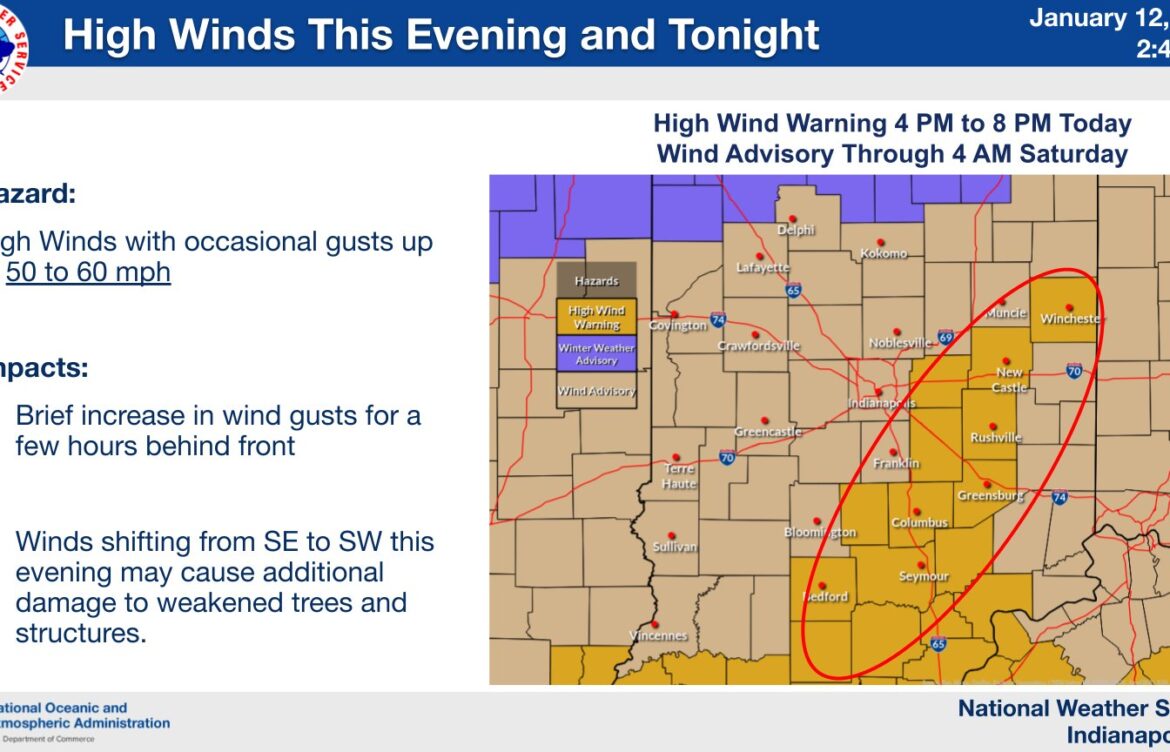
This week, the National Weather Service (NWS) has issued high wind warnings for several states, including California, Nevada, and Colorado, as a powerful storm front moves through the region. Wind gusts are expected to reach speeds of 60 mph in some areas, with localized gusts exceeding 75 mph. This situation has already led to downed power lines, fallen trees, and widespread power outages affecting thousands of residents.
Officials have advised residents, especially those in high-risk areas, to secure outdoor furniture, avoid travel if possible, and remain indoors during the peak of the storm. Emergency services are on high alert, with additional personnel on standby to respond to incidents such as vehicle accidents caused by high winds and blocked roadways from fallen debris.
Impact and Safety Measures
High wind conditions can lead to various hazards, including flying debris, uprooted trees, and structural damage. The risk is particularly high for older or poorly constructed buildings. The NWS recommends that residents pay close attention to local advisories and updates.
In areas under high wind warnings, it is also crucial to establish an emergency plan. Families should have a designated safe area within their home, know the local emergency contacts, and prepare an emergency kit that includes food, water, batteries, and medical supplies.
Conclusion
High wind warnings serve as vital alerts that can save lives and minimize property damage when taken seriously. As weather events become more extreme, understanding these warnings and responding appropriately is more essential than ever. By preparing for high winds and following safety guidelines, residents can protect themselves and their communities from the dangers associated with severe weather events.