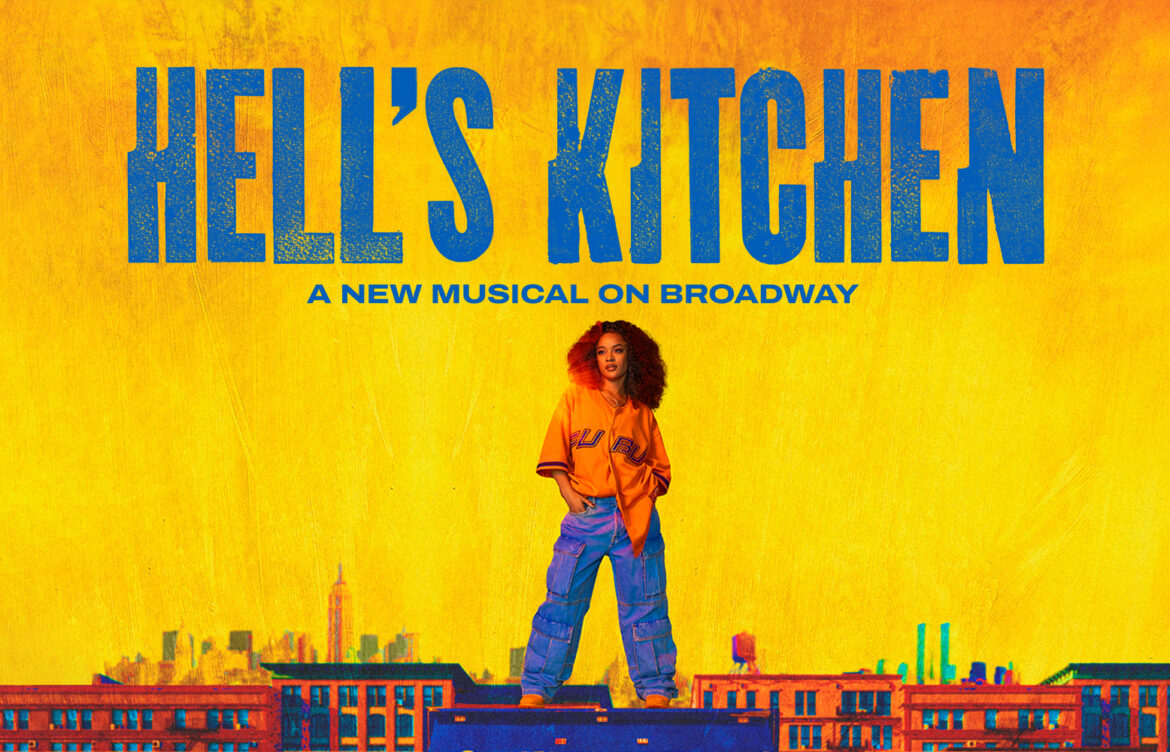
Understanding Hell’s Kitchen: A NYC Neighborhood with History and Flavor
Introduction
Hell’s Kitchen, a neighborhood in Manhattan, New York City, has transformed from its gritty origins into one of the city’s most vibrant and sought-after areas. Once notorious for its rough reputation, Hell’s Kitchen is now celebrated for its rich history, diverse dining scene, and proximity to Times Square. The significance of this neighborhood lies not only in its evolution over the decades but also in its current role as a cultural tapestry that reflects New York’s dynamic nature.
History and Evolution
Historically, Hell’s Kitchen was known as “Murderer’s Row” due to its high crime rates and gang activity, particularly during the late 19th and early 20th centuries. It was primarily inhabited by Irish immigrants who settled in the area seeking new opportunities. The landmark 1970s Broadway resurgence drew more people to Hell’s Kitchen, making it a hub for artists and performers.
In recent years, the area has seen significant gentrification. Luxury apartments and upscale eateries have popped up alongside long-standing dive bars and ethnic eateries, reflecting a mix of past and present. Today, Hell’s Kitchen is known for its eclectic mix of restaurants, bustling nightlife, and cultural institutions, making it a hotspot for both locals and tourists.
Significant Attractions
Hell’s Kitchen is home to some of the best culinary experiences in New York City, offering a range of global cuisines from Ethiopian to Thai. The vibrant restaurant scene is complemented by the renowned ‘Restaurant Row’ along 46th Street, where diners can explore variations of every cuisine imaginable.
Notably, the theater district is just a stone’s throw away, providing easy access to world-class performances. Additionally, the nearby Hudson River Park offers a scenic waterfront experience, perfect for leisure activities. The development of the High Line, an elevated linear park, further enhances the attraction of the area, encouraging outdoor gatherings and community events.
Conclusion
As Hell’s Kitchen continues to evolve, it clearly underscores the resilience of urban neighborhoods and the ongoing story of New York City itself. While retaining elements of its historical character, the area embraces the changes brought by time, attracting a diverse demographic. The future of Hell’s Kitchen promises growth and transformation as it remains a focal point of culture, lifestyle, and culinary innovation in Manhattan. For residents and visitors alike, Hell’s Kitchen is a place where past and present collide, offering a glimpse into the vibrant life of New York City.