Understanding Guinea Bissau: Current Events and Insights
Introduction
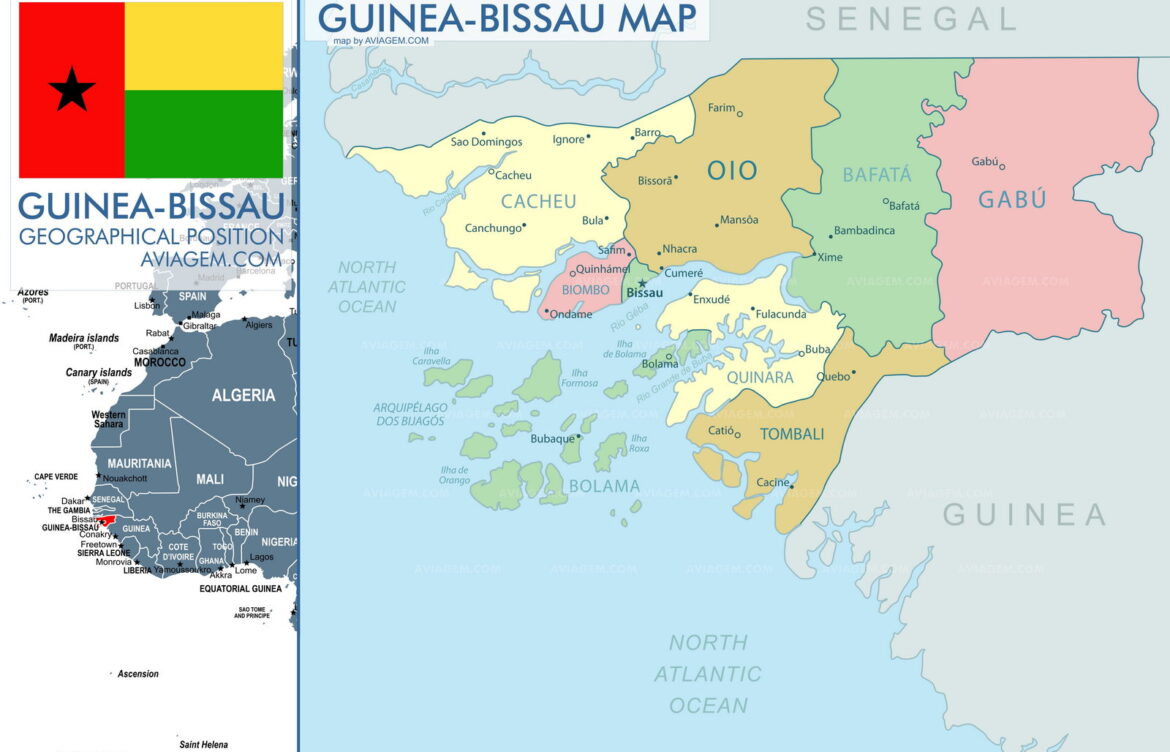
Guinea Bissau, a small West African nation bordered by Senegal and Guinea, is often overlooked in discussions about African states. However, its political landscape, rich cultural tapestry, and ongoing challenges are increasingly relevant in global contexts. Understanding the complexities of Guinea Bissau is crucial in appreciating its role in regional stability and development.
Current Political Landscape
Since its independence from Portugal in 1973, Guinea Bissau has struggled with frequent political instability and a series of coups. The most recent political crisis erupted in 2020, when President Umaro Sissoco Embaló took over amid allegations of electoral fraud, sparking protests and violence. As of late 2023, despite attempts at reform and stabilization, the nation’s government continues to face challenges from various political factions, leading to uncertainty about its democratic future.
Socioeconomic Challenges
The socioeconomic conditions in Guinea Bissau further complicate its political situation. With a population of approximately 2 million, the country ranks low on the Human Development Index, battling issues such as poverty, limited access to education, and inadequate healthcare. The economy, largely dependent on agriculture, particularly cashew nut production, is vulnerable to international market fluctuations and climate change, exacerbating the plight of many citizens.
International Relationships
Internationally, Guinea Bissau’s strategic coastal location has attracted attention from various global powers. Countries such as Portugal and China have engaged with Guinea Bissau through development aid and investment initiatives aimed at enhancing infrastructure. These relationships are crucial for helping stabilize the nation; however, suspicions remain regarding external influences on domestic politics.
Cultural Significance
Despite its challenges, Guinea Bissau boasts a rich cultural heritage. Renowned for its diverse ethnic groups and traditions, music and dance play a significant role in daily life, often reflecting the people’s spirit and resilience. The country’s vibrant cultural festivals, such as the Bissau Carnival, draw attention to its unique identity, promoting national unity and pride.
Conclusion
Guinea Bissau stands at a crossroads as it navigates its political struggles and socioeconomic challenges. The future of this West African nation lies in the balance, with local and international stakeholders working together to establish a more stable and prosperous society. For readers, understanding Guinea Bissau’s complexities not only highlights the importance of political awareness in the region but also emphasizes the ongoing need for global support and engagement in fostering sustainable development.