Understanding Dense Fog Advisory and Its Implications
Introduction
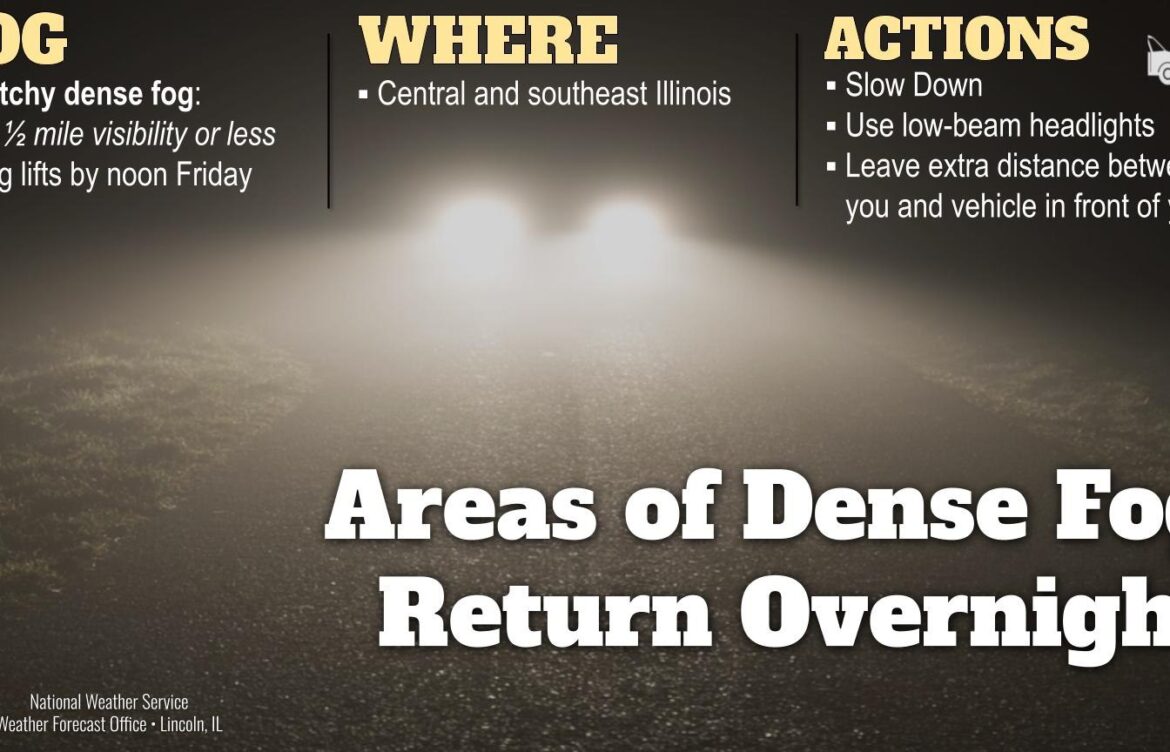
As weather patterns fluctuate across the United States, dense fog advisories have become a crucial aspect of weather alerts. These advisories are issued when fog reduces visibility to less than a quarter mile, posing significant risks to drivers and pedestrians. Understanding what a dense fog advisory entails and its potential implications for travel and safety is essential for everyone.
What Is A Dense Fog Advisory?
A dense fog advisory is issued by the National Weather Service (NWS) when fog conditions create hazardous travel situations. This phenomenon typically occurs during temperature inversions when warm air traps moist air at the surface, leading to low visibility. With weather phenomena becoming more unpredictable, these advisories serve to help alert the public about potentially dangerous conditions on the roads.
Current Events
In recent weeks, various regions across the Midwest and Northeast have reported multiple instances of dense fog, complicating morning commutes for countless drivers. For instance, cities like Minneapolis and Chicago have seen visibility drop below 100 feet at times, leading to several vehicle accidents attributed to impaired sight. Local authorities are urging residents to heed weather warnings and take necessary precautions when traveling.
Safety Tips During Dense Fog
To mitigate the risks associated with dense fog conditions, experts have provided several safety tips:
- Reduce Speed: Driving at a slower speed can give drivers more time to react to sudden changes in visibility.
- Use Low Beam Headlights: High beams can reflect off the fog, creating glare and further reducing visibility.
- Increase Following Distance: Keep a safe distance from the vehicle in front to allow for additional reaction time.
- Avoid Distractions: Minimize distractions within the vehicle to maintain focus on the road.
Conclusion
Dense fog advisories are essential alerts that require public attention and response. As visibility can change rapidly, being informed and prepared is paramount for safety. Road users are encouraged to pay attention to local forecasts and advisories to avoid unnecessary accidents. As climate conditions continue to evolve, the frequency of such weather alerts may increase, making it critical for communities to stay vigilant and adaptable.