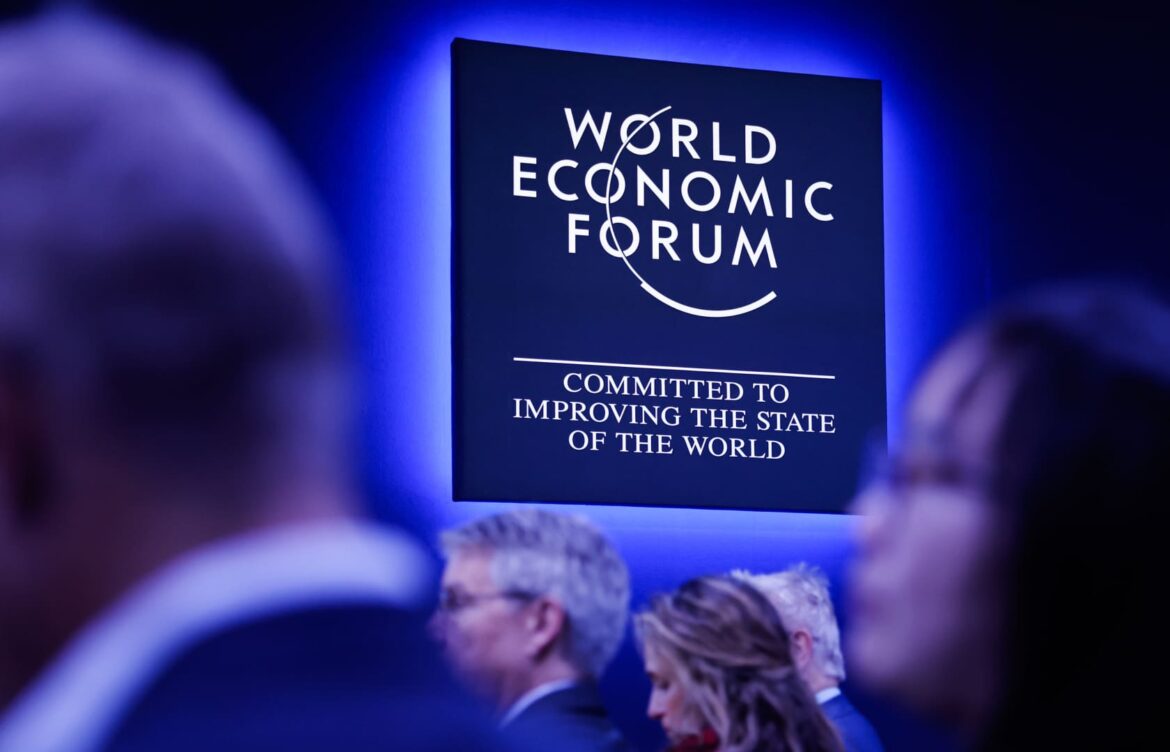
Understanding Davos: The Annual Economic Forum
Introduction
Davos, a resort town in the Swiss Alps, is best known for hosting the annual World Economic Forum (WEF). This event, which brings together global leaders from business, politics, academia, and civil society, aims to address pressing global issues and foster cooperation among stakeholders. Its significance has grown over the decades, making it a focal point for discussions on economic policies, environmental challenges, and technological advancements.
The World Economic Forum
Established in 1971 by Professor Klaus Schwab, the WEF has evolved from a simple European management conference to a global platform where influential figures analyze and discuss the state of the world economy. Each year, the meeting attracts over 2,500 participants, including heads of state, CEOs of major corporations, media representatives, and thought leaders. In 2023, the theme was focused on ‘Cooperation in a Fragmented World’, highlighting the need for united efforts to tackle global crises.
The Importance of Davos
One major aspect making Davos relevant is its role in shaping policies that influence the global economy. Participants engage in discussions about critical topics such as climate change, digital transformation, social inequality, and public health. The networking opportunities also allow for private sector leaders to collaborate with government officials, leading to initiatives that can have far-reaching impacts.
Additionally, in recent years, the forum has faced criticism for its perceived exclusivity and elite nature. Critics argue that the discussions often lack the representation of everyday citizens and those directly impacted by the policies debated. Nevertheless, the forum continues to adapt, including initiatives that aim to engage younger generations and address issues like mental health and educational reform.
Recent Developments
As of 2023, one of the highlighted discussions at Davos focused on the economic ramifications of the Russia-Ukraine conflict and the ongoing challenge of rising inflation across many countries. Leaders are exploring collaborative approaches to strengthen energy security and foster economic resilience in the face of global disruptions.
Conclusion
In conclusion, Davos serves as a critical venue for dialogue on pressing global challenges. While it may be seen as a gathering of the world’s elite, its influence cannot be overstated; the discussions and partnerships formed have the potential to drive significant change in economic and social policies worldwide. As we look to the future, the outcomes of these deliberations will undoubtedly shape the path towards a more sustainable and equitable global economy.