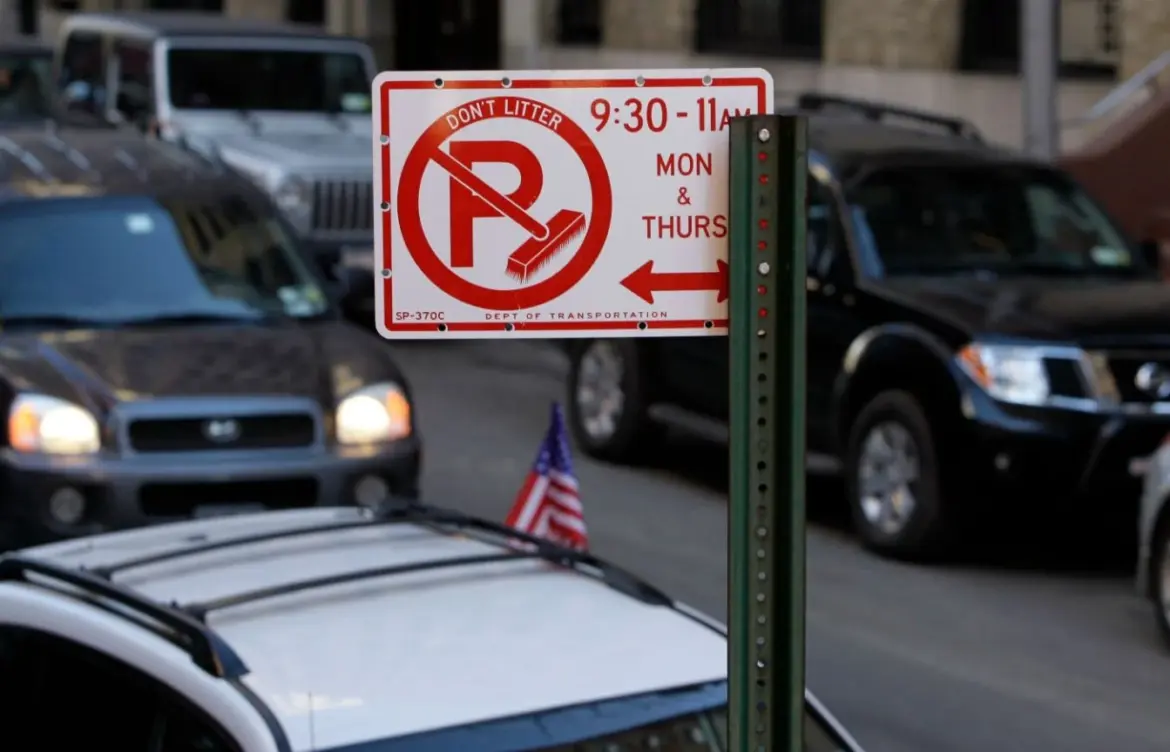
Understanding Alternate Side Parking in NYC
Introduction to Alternate Side Parking
In New York City, alternate side parking (ASP) regulations are critical for keeping the streets clean and managing the limited space available for vehicles. Initially implemented for street cleaning, these rules are necessary for maintaining safety and order on crowded city roads. Residents often navigate the complexities of these regulations, which can vary significantly based on location and time.
Current Regulations and Recent Changes
As of October 2023, the City Council has introduced recent modifications to the ASP rules to better accommodate residents and ensure continued street cleanliness. Generally, ASP requires vehicles to be moved to the opposite side of the street on designated days and times, usually to facilitate street cleaning. Enforcement of these regulations typically takes place twice a week on each block, and failure to comply can result in hefty fines.
However, the recent changes aim to improve the system by introducing flexible hours in certain neighborhoods. For example, some areas that historically faced street cleaning on traditional weekdays will now have extended timeframes, allowing residents to adjust their parking schedules accordingly. These adjustments have been positively received by local advocates who argue that they offer greater convenience to city dwellers while still promoting cleanliness.
Impact on Residents and Local Community
For New Yorkers, alternate side parking can be a considerable source of stress, leading to concerns over lost time and unnecessary fines. A survey conducted by the Department of Transportation found that nearly 70% of respondents consider ASP rules confusing or burdensome. Still, the consistent application of these regulations provides vital opportunities for the city to maintain the cleanliness needed for both residents and visitors.
Moreover, the local government has also focused on increasing awareness and accessibility of ASP information through digital platforms and community outreach. Apps and online services are now available to send alerts and reminders about ASP schedules, which aim to reduce confusion and improve compliance.
Conclusion and Look Ahead
The regulations surrounding alternate side parking in NYC play an integral role in both urban mobility and public health. As the city continues to grow and evolve, the adaptation of these regulations will be crucial. Ensuring that they remain relevant to the needs of the community will not only support street cleanliness but also enhance the overall livability of New York City. As residents become more engaged with these changes and utilize new tools for compliance, we can expect an even more streamlined parking experience moving forward.