Understanding Alternate Side Parking in NYC
Introduction to Alternate Side Parking
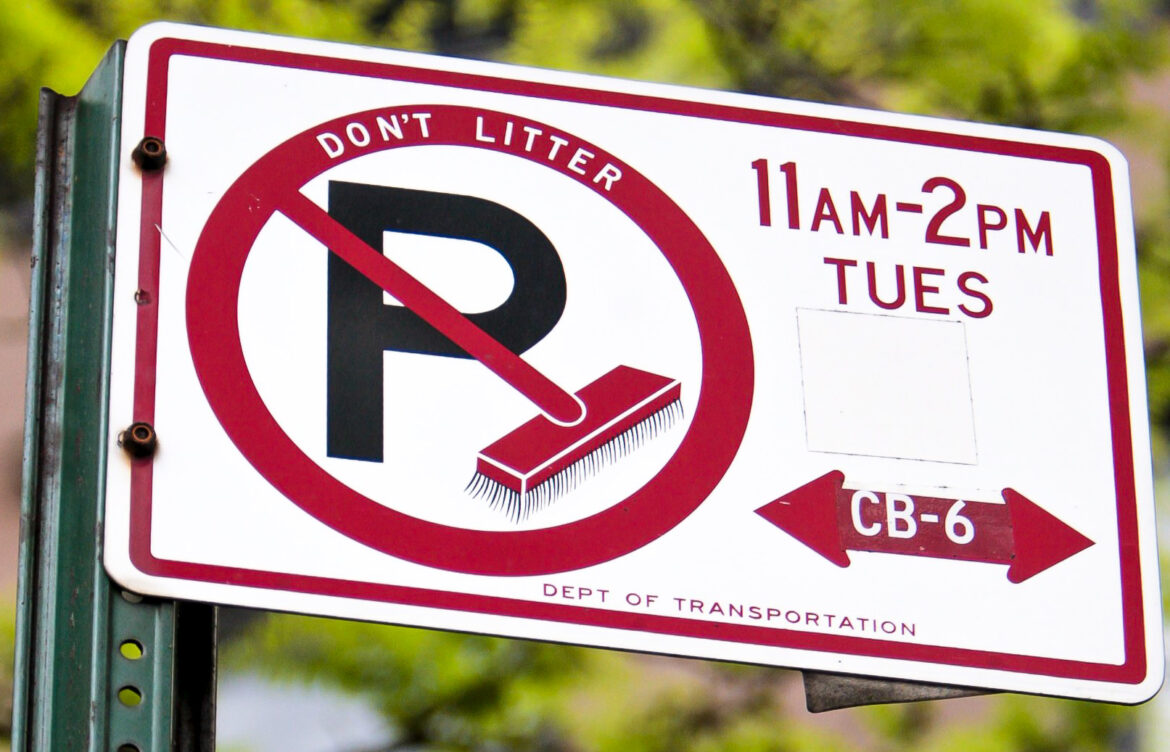
Alternate side parking is a crucial aspect of urban life in New York City, intended to facilitate street cleaning and enhance the overall cleanliness of the streets. Established in the 1950s and implemented city-wide, this parking regulation affects hundreds of thousands of vehicles daily. Understanding its rules and nuances can help city residents avoid hefty fines and contribute to community hygiene.
Current Rules and Schedule
As of late 2023, alternate side parking regulations are in effect in most neighborhoods throughout the five boroughs. Street signs indicate the days and times when parking is prohibited on one side of the street to allow for cleaning. Typically, the regulations are enforced from 8:00 AM to 11:00 AM, but hours can vary. Drivers must always follow the posted signage for specific street details, as failing to comply can result in a $65 fine, or more in certain areas.
Changes and Adaptations
This year, there have been discussions among city officials regarding the adaptation of these rules, particularly in light of evolving urban needs and continuous updates to street cleaning schedules. Moreover, in response to local community feedback, some areas may experience temporary suspensions of alternate side parking during extreme weather conditions, making it easier for residents to manage their parking during snowstorms or heavy rain. These measures aim to balance the necessity of street cleaning with the parking needs of residents.
The Significance for NYC Residents
Alternate side parking not only enhances street cleanliness but also has broader implications for urban planning and community engagement. It is often a topic of conversation among residents, especially those in densely populated neighborhoods where parking is at a premium. Participating in local meetings and discussions about parking regulations can empower residents to voice their opinions and encourage more adaptive policies that reflect the changing dynamics of city life.
Conclusion
As New York City continues to grow and evolve, understanding the implications of alternate side parking is crucial for residents. Adherence to these regulations supports cleanliness while fostering a sense of community responsibility. Looking forward, city officials are considering more innovative solutions to parking challenges, possibly incorporating technology for reminders or updates through local apps. Staying informed about these changes will allow residents to navigate their parking situations more effectively in the dynamic landscape of New York City.