Uganda’s Military Stance on Israel and Iran
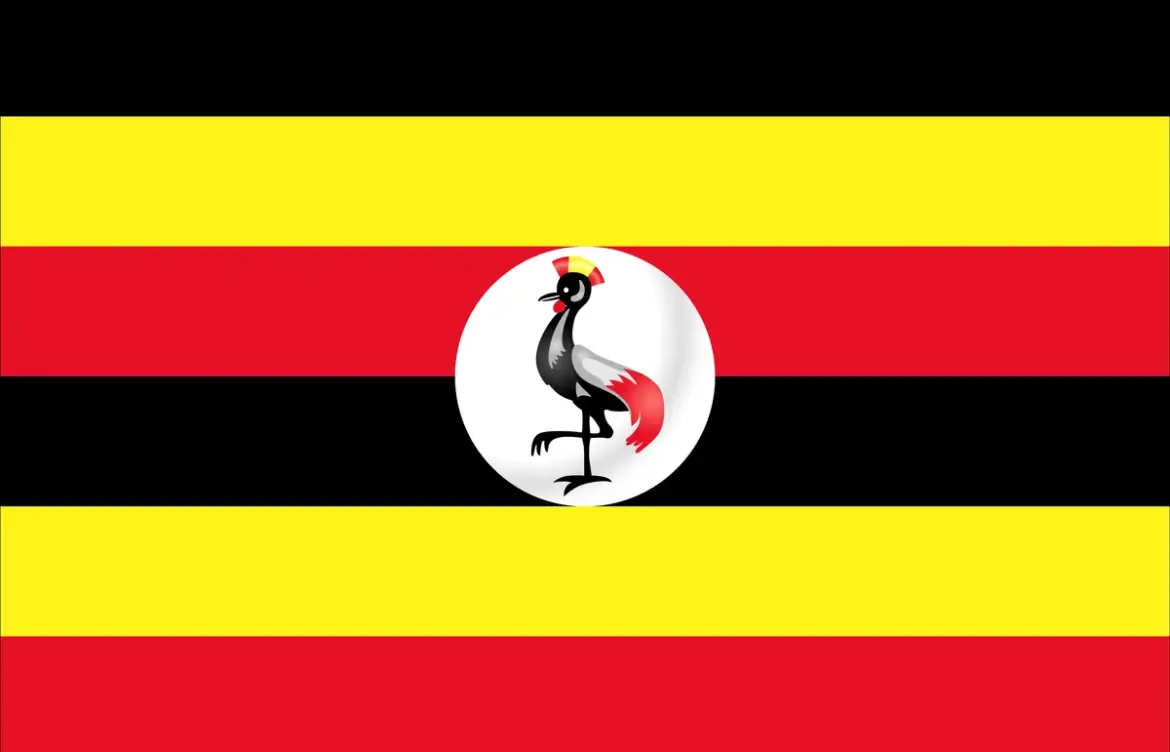
As tensions in the Middle East continue to escalate, Uganda finds itself at a crossroads regarding its military stance. Just before the recent developments, the conflict between Israel and Iran had intensified significantly, with large-scale casualties reported since late February 2026.
On March 26, 2026, Muhoozi Kainerugaba, Uganda’s chief of defense forces and son of President Yoweri Museveni, made a bold declaration. He stated that Uganda would join the war on the side of Israel should the nation face defeat. This statement marks a significant shift in Uganda’s military posture and reflects a deepening commitment to Israel amid ongoing hostilities.
Kainerugaba expressed his support for Israel, emphasizing that “Israel has a right to exist and attacks against her must stop.” His remarks resonate with a broader sentiment in Uganda, where the military has historically maintained a cautious approach to international conflicts.
In a notable gesture of solidarity, Kainerugaba announced plans to erect a statue honoring Yonatan Netanyahu, who was killed during a hostage rescue operation in Uganda in 1976. This move not only highlights Uganda’s historical ties with Israel but also underscores Kainerugaba’s personal commitment to strengthening these bonds.
The Uganda People’s Defense Force (UPDF) is prepared to participate in the conflict on Israel’s behalf if the situation does not resolve swiftly. Kainerugaba’s statements reflect a growing urgency within the Ugandan military to take a more active role in international affairs, particularly concerning allies.
Currently, Uganda ranks 107th among the world’s strongest militaries, with a defense budget of $1.5 billion. The country boasts 45,000 active troops and 10,000 paramilitary units, alongside an air force that operates 51 aircraft, 26 of which are combat-ready. This military capability positions Uganda as a significant player in regional security dynamics.
As the conflict unfolds, Kainerugaba’s remarks have sparked discussions within Uganda and beyond about the implications of military involvement in foreign wars. The community is watching closely, as these developments could reshape Uganda’s international relationships and its role in global security.
The world is weary of the ongoing violence, and Kainerugaba’s call for an end to the conflict reflects a shared hope for peace. However, his warning that any threats to Israel will draw Uganda into the fray underscores the complexities of international alliances in times of war.
In summary, Uganda’s military stance regarding Israel and Iran is evolving, with Kainerugaba at the forefront of this shift. The implications of these developments will be felt not only within Uganda but also across the broader geopolitical landscape.