Tucson Arizona: A Hub of Culture and Natural Beauty
Introduction
Tucson, Arizona, often hailed as the ‘Old Pueblo,’ is a city that seamlessly blends a rich cultural heritage with stunning natural landscapes. Located in the Sonoran Desert, Tucson is known for its remarkable cuisine, vibrant arts scene, and a plethora of outdoor activities. In recent years, Tucson has garnered attention for its designation as a UNESCO City of Gastronomy, emphasizing local culinary traditions and innovations. This article delves into the significant aspects of Tucson’s identity and current happenings that make it relevant today.
Cultural Significance and Events
Tucson is a cultural melting pot that reflects its rich history influenced by Native American, Mexican, and Spanish communities. The city hosts over 100 annual festivals, celebrating everything from music and art to food and history. One of the most notable events is the Tucson Gem and Mineral Show, which attracts thousands of visitors each year, showcasing one of the most extensive collections of gems and minerals in the world. Additionally, the Tucson International Mariachi Conference enhances the city’s status as a cultural beacon, bringing in talent from across the globe.
Outdoor Adventures
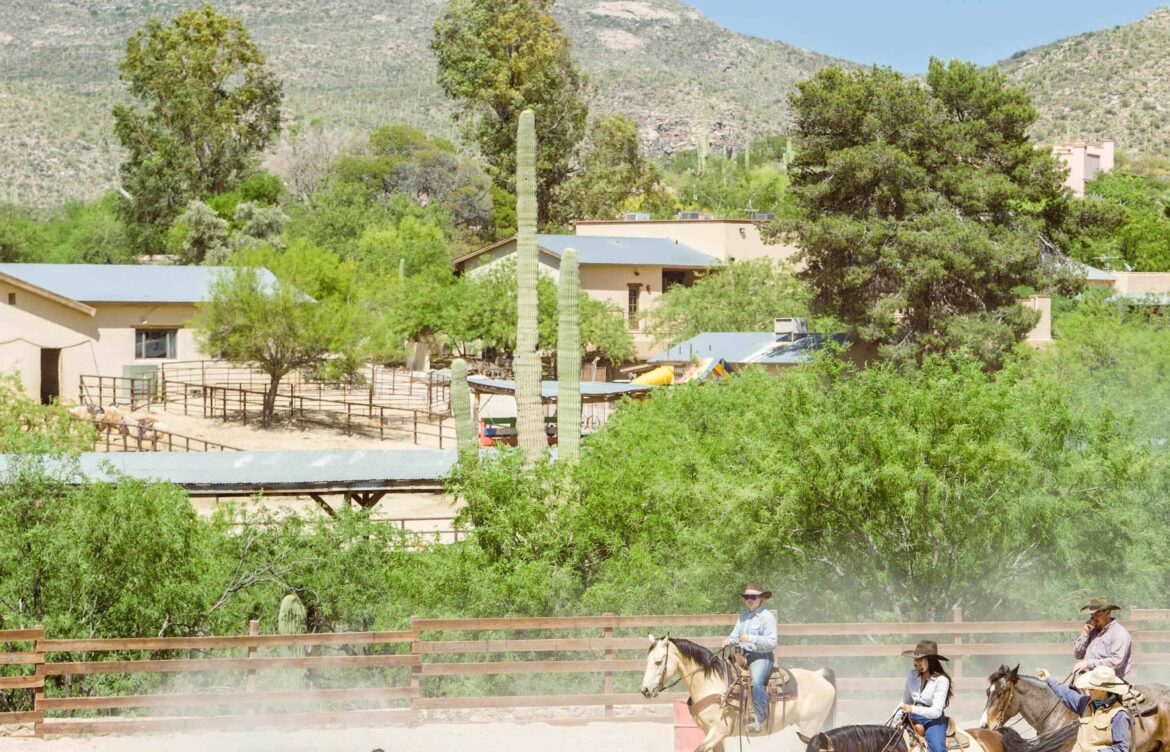
For outdoor enthusiasts, Tucson offers an array of activities in its breathtaking desert landscapes. The Saguaro National Park, home to the iconic saguaro cactus, is located just outside the city and provides opportunities for hiking, biking, and birdwatching. The nearby Catalina Mountains also offer trails that cater to various skill levels. As the climate remains moderate during winter months, Tucson has become a popular destination for those seeking to escape colder regions.
Economic Developments
In recent years, Tucson has seen growth in various sectors including technology and healthcare. The University of Arizona, a major research institution, contributes significantly to the local economy while also attracting students from around the country. Initiatives to increase economic opportunities continue to evolve, with city officials focusing on sustainable development and promoting local businesses. Such growth indicates a bright outlook for Tucson as it adapts to the changing economic landscape.
Conclusion
Tucson, Arizona, stands as a testament to the blend of history, culture, and natural beauty. Its designation as a UNESCO City of Gastronomy highlights the importance of local food culture, while the vibrant festivals and outdoor activities enrich the community spirit. The city’s economic developments point to a promising future, making it an attractive place for residents and visitors alike. As Tucson continues to evolve, it remains a key player in showcasing the unique heritage and opportunities that the American Southwest has to offer.