Toyota CEO Sato Warning to Suppliers: A Call for Action
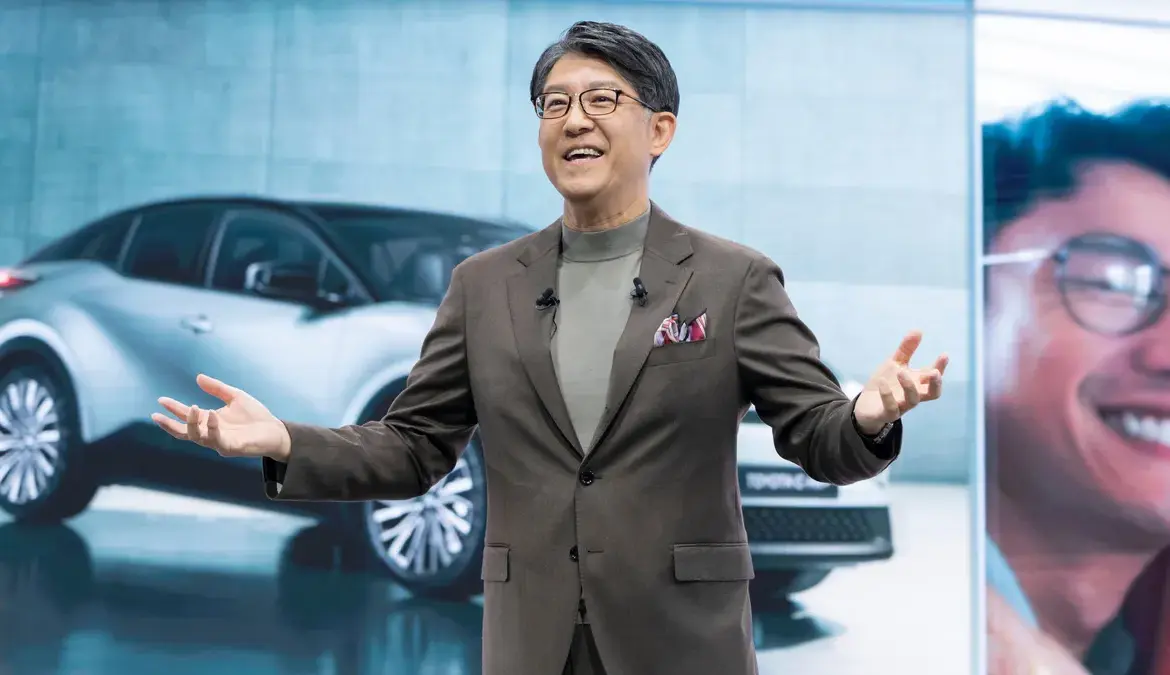
Toyota is facing pressures from rising competition in the automotive industry, particularly from Chinese EV makers. In light of this challenging landscape, Toyota CEO Koji Sato has taken a decisive step by warning 484 of the company’s top suppliers to enhance their productivity to ensure survival in an increasingly competitive market.
Sato’s message was clear: “Unless things change, we will not survive.” This urgent call to action reflects the significant challenges that the automotive sector is currently grappling with, as companies strive to adapt to rapid technological advancements and shifting consumer preferences.
During his address, Sato emphasized the necessity for suppliers to improve their processes, stating that they must achieve faster throughput, lower scrap rates, and tighter quality controls. He noted, “Right now, we in the automotive industry are battling for our very survival.” This sentiment underscores the gravity of the situation as the industry navigates through turbulent waters.
Last year, Toyota set a new record by delivering 11,322,575 automobiles globally, showcasing its strong market presence. However, Sato’s warning indicates a shift towards a more efficiency-driven approach, with a focus on measurable cost-per-vehicle cuts and defect reductions.
Incoming CEO Kenta Kon echoed Sato’s sentiments, highlighting the importance of collaboration between Toyota and its suppliers. He remarked, “Each side drives the other to grow stronger,” reinforcing the idea that mutual support is essential for overcoming the current challenges.
Sato’s warning is not merely a routine review but a serious call to action for suppliers, as it is closely tied to Toyota’s production targets for 2026 and the need to protect profit margins. Observers note that this shift towards efficiency and cost control is vital for the company’s long-term sustainability.
As the automotive industry continues to evolve, Toyota is expected to announce its 2025 results in the near future, which will likely provide further insights into the company’s strategic direction. For now, suppliers are urged to step up their game to align with Toyota’s goals and navigate the competitive landscape together.
Details remain unconfirmed regarding the specific measures suppliers will need to implement, but the urgency of Sato’s message is clear: the time for action is now.