Tomodachi Life: Living the Dream with Nintendo
Introduction
Launched in 2014, Tomodachi Life quickly gained popularity among Nintendo fans for its unique approach to simulated life. Combining quirky humor and a social experience, the game allows players to create and manage virtual lives for their Mii characters. This whimsical setting provides an opportunity to experience a dreamy reality, making it a significant title in Nintendo’s lineup. As gaming evolves, Tomodachi Life remains a beloved classic that continues to attract new players.
Gameplay Mechanics
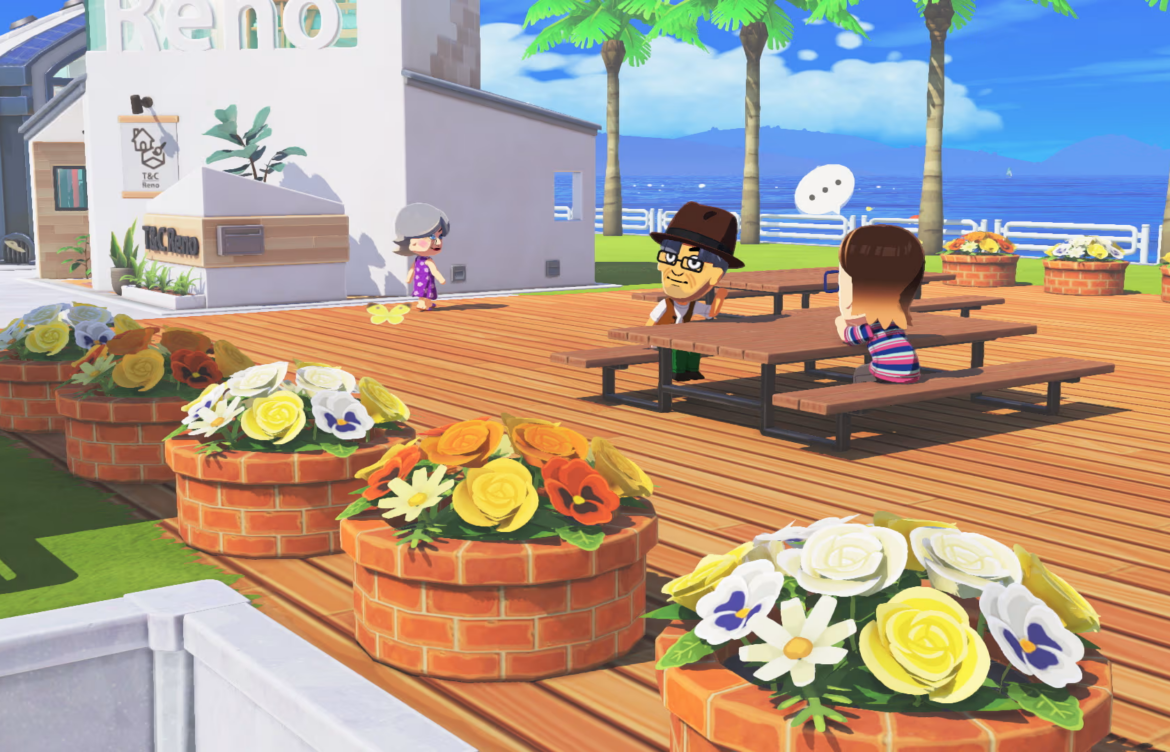
In Tomodachi Life, players are tasked with building a vibrant community on a fictional island where Mii characters interact, develop relationships, and embark on adventures. Players can customize their Miis with distinct personalities and appearances, and watch as they navigate through daily tasks. Events like talent shows, musical performances, and even romantic developments showcase the unpredictable nature of the game.
The game’s charm lies in its random event generation, ensuring each player’s experience differs significantly from another’s. Players earn in-game currency to purchase items, decorate apartments, and further enhance their characters’ lives. Additionally, interactions are driven by player choices, which adds a layer of engagement and decision-making.
Positive Reception and Cultural Impact
Upon release, Tomodachi Life was met with positive reviews, praising its originality and humor. With its simple yet addictive gameplay, it appealed to a wide range of audiences, from younger gamers to nostalgic adults. The game has also made its way into popular culture, inspiring memes, YouTube series, and fan art that highlight its whimsical aspects.
Nintendo’s decision to include various features in the North American version, such as choosing not to allow same-sex relationships for Miis, sparked discussions about representation and diversity in video games. The game’s light-hearted approach runs parallel to real-life scenarios, helping players explore social interactions in a stress-free environment.
Conclusion
As players continue to dream big and create their perfect world in Tomodachi Life, the game’s allure and replayability solidify its status as one of Nintendo’s creative successes. The virtual island serves as a comforting escape from reality, letting players indulge in a personalized, carefree experience. With speculation about future releases or sequels gaining momentum, the dream of returning to this imaginative world seems more promising than ever. For current and new players alike, rediscovering Tomodachi Life means embracing the heart of what makes gaming so enriching and enjoyable.