The Story of John Kiriakou: A Whistleblower’s Journey
Introduction
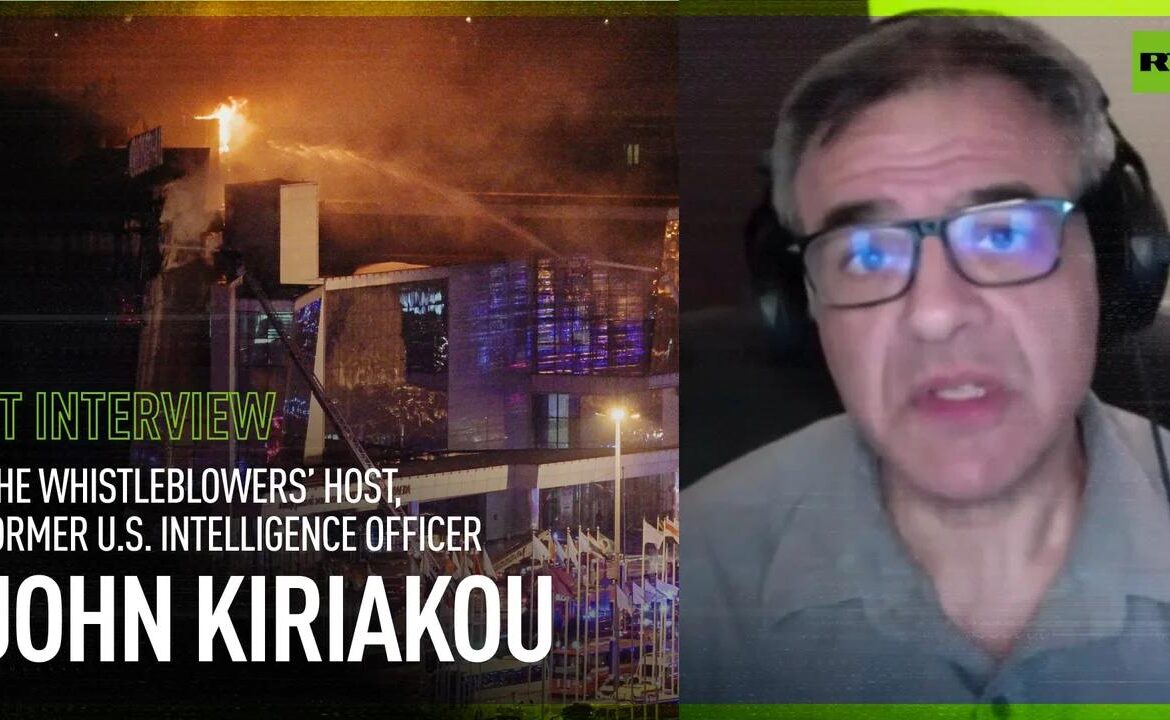
John Kiriakou is perhaps one of the most significant figures in discussions surrounding government accountability and whistleblower protection. As a former CIA officer, he gained notoriety in 2007 for revealing details about the U.S. government’s use of torture on detainees in the post-9/11 era. His actions sparked a nationwide conversation about human rights, ethics in interrogation practices, and the safety of those who expose wrongdoing within powerful institutions.
The Revelation
In 2007, during an interview on ABC News, Kiriakou confirmed the existence of torture programs that were sanctioned by the U.S. government. This revelation was groundbreaking as it challenged the narrative that the government had been transparent about its counter-terrorism tactics. Kiriakou’s admission led to his eventual indictment under the Espionage Act and he became the first former CIA officer to be convicted for leaking classified information.
Legal Battles
Kiriakou’s legal woes started after he leaked the name of a covert officer and details of the agency’s interrogation techniques. In 2012, he was sentenced to 30 months in federal prison. However, his case highlighted the challenges faced by whistleblowers. Many activists and organizations viewed Kiriakou as a hero for risks he took against potential retaliation from the government, leading to debates about the balance between national security and free speech.
Post-Release Activism
After serving his sentence, Kiriakou has remained active in advocating for whistleblower rights, human rights, and criminal justice reform. He has appeared in numerous media forums discussing the ethical implications of government surveillance and the suppression of dissent through legal intimidation. His story has also been used as a case study for potential reforms to the whistleblower protection laws in the U.S.
Conclusion
The story of John Kiriakou is a compelling example of the complex dynamics between national security and civil liberties. While his personal journey reflects the risks involved in whistleblowing, it also underscores the importance of accountability in governance. As discussions continue regarding ethics and transparency in intelligence operations, Kiriakou’s experiences serve as a crucial reminder of the need for laws that protect those who dare to speak out against human rights abuses and government misconduct.