The Significance of the 25th Amendment in American Politics
Introduction
The 25th Amendment to the United States Constitution plays a crucial role in ensuring the stability of the federal government by addressing issues of presidential succession and disability. Adopted in 1967, this amendment gained renewed attention in recent years due to discussions surrounding presidential health, vacancy, and the potential incapacity of a sitting president. Its provisions outline the mechanisms to maintain the leadership continuity of the executive branch during emergencies.
Key Provisions of the 25th Amendment
The 25th Amendment consists of four sections that address specific scenarios:
- Section 1: Clarifies the succession of the presidency. If the president is removed from office, dies, or resigns, the vice president assumes the presidency.
- Section 2: Addresses vacancies in the vice presidency. The president nominates a new vice president, who must be confirmed by a majority vote in both the House and Senate.
- Section 3: Allows the president to voluntarily transfer powers to the vice president during periods of incapacity, requiring a written declaration to Congress.
- Section 4: Outlines the procedure for removing a president who is unable to fulfill their duties, permitting the vice president and a majority of the cabinet to declare the president unfit.
Recent Applications and Discussions
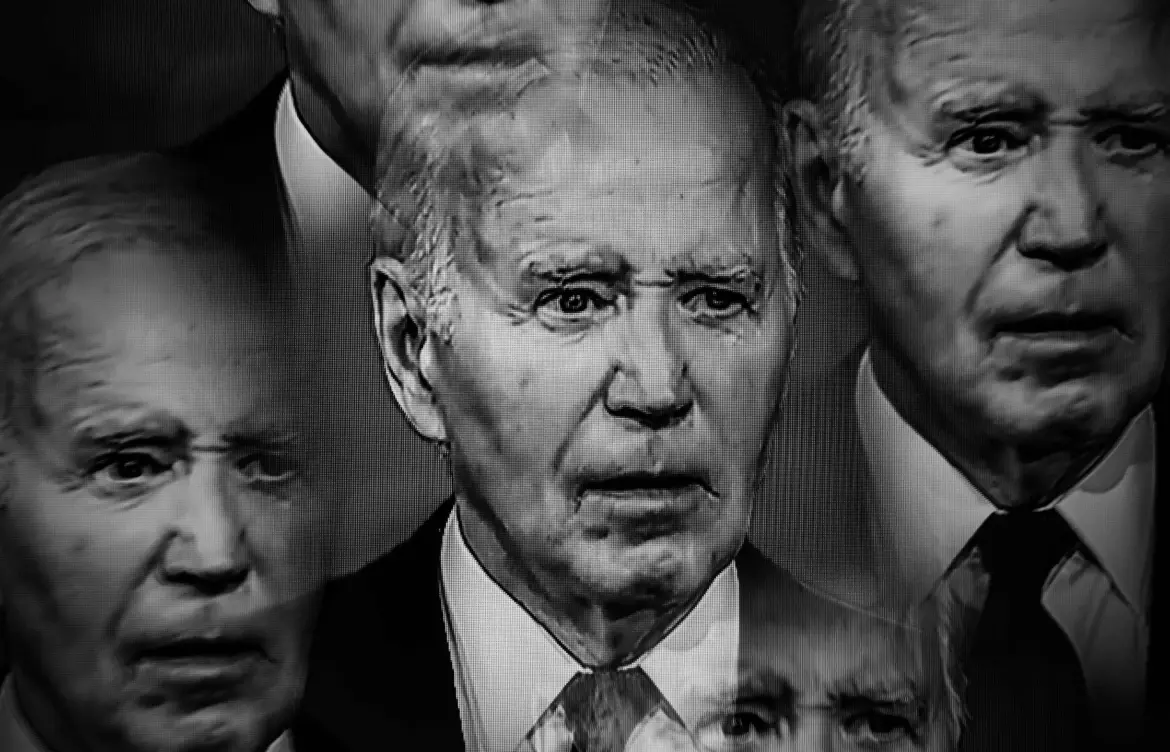
Recent political events have reignited discussions about the 25th Amendment. Notable instances during the Trump presidency involved questions around mental fitness and presidential health, as well as discussions invoked by protesters advocating for its use. Similarly, Joseph Biden’s age and health have prompted dialogue among scholars and political commentators on whether the amendment’s provisions might soon be relevant.
Conclusion
The 25th Amendment remains an essential aspect of U.S. constitutional law, ensuring a clear line of succession and providing a framework for dealing with presidential incapacity. As political discussions continue to evolve, scrutiny surrounding the amendment raises important questions about leadership, governance, and the health of elected officials. Understanding its significance is vital for both lawmakers and citizens as the implications of its use can profoundly affect the nation’s stability and continuity in leadership.