The Significance of Tarjeta Roja in Soccer
Understanding Tarjeta Roja
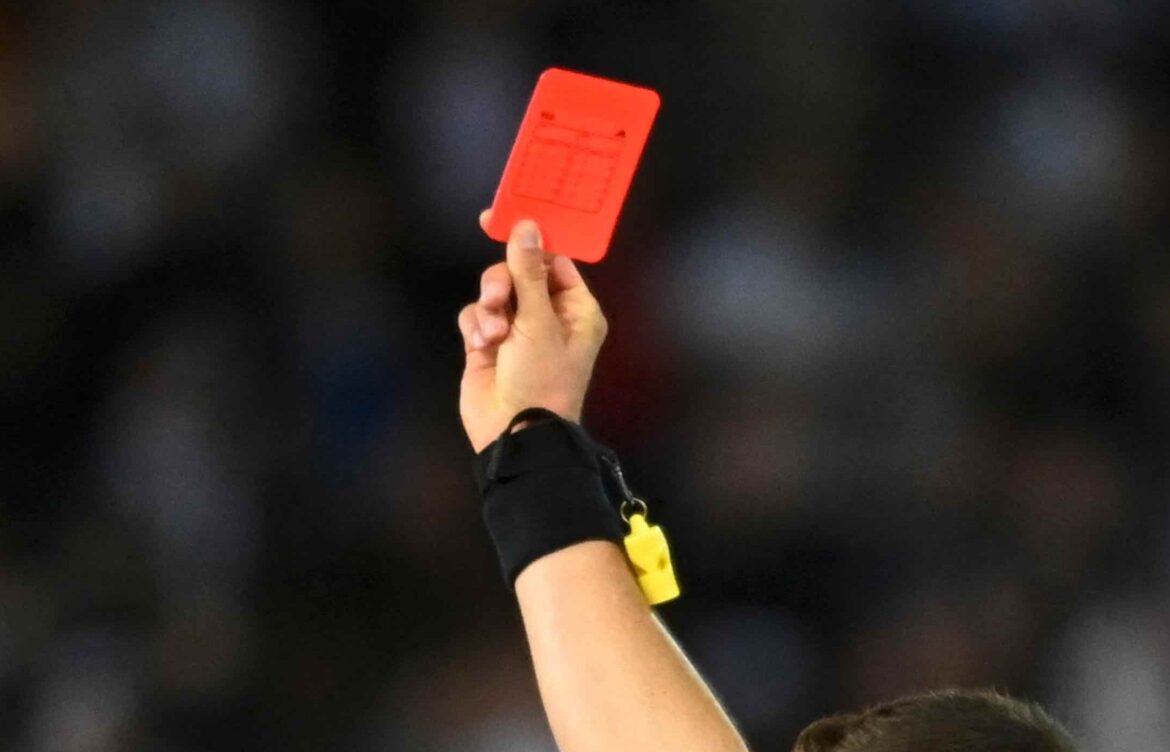
In soccer, the term tarjeta roja, or red card, holds significant weight during matches. It serves not only as a disciplinary measure but also affects the dynamics of the game itself. A player receiving a tarjeta roja is ordered to leave the field, resulting in their team playing with one fewer player, which can alter the outcome of a match dramatically.
Rules Surrounding Tarjeta Roja
A player can receive a red card for various offenses, including violent conduct, serious foul play, using offensive language, or denying an obvious goal-scoring opportunity. According to the Laws of the Game established by FIFA, a red card can be issued directly for certain actions or after receiving two yellow cards within a single match. The consequences are significant, as offending players are banned from participating in the remainder of the game and face a suspension for future matches.
Impact on Matches
The repercussions of a tarjeta roja extend beyond the immediate loss of a player. Teams facing a red card often struggle to maintain tactical balance, leading to defensive adjustments and changes in strategy. Recent statistics indicate that teams that receive a red card are at a distinct disadvantage; historical data shows that over 70% of teams with a red card end up losing, particularly in high-stakes matches.
Trends and Statistics
In the past few seasons, the rate of issued tarjetas rojas has seen fluctuations. The 2022 World Cup, for instance, recorded a lower frequency of red cards compared to the previous tournaments, leading to discussions about referee discretion and game management. Moreover, leagues are adapting their rules and interventions to minimize extreme foul play while maintaining competitive integrity.
Conclusion
The tarjeta roja is a crucial component of soccer that enforces discipline and safety within the sport. Its ability to change the course of a game emphasizes the responsibility players have on the field to maintain fair play. As trends evolve and regulations adapt, the debate continues around the best methods to manage discipline without compromising the excitement and integrity of soccer.