The Science Behind Earthquakes: Causes, Effects, and Preparedness
Introduction: The Importance of Earthquake Awareness
Earthquakes are natural disasters that can cause significant destruction and loss of life. Understanding their causes, effects, and how to prepare for them is essential for communities worldwide. As seismic activity remains a pressing concern for many regions, raising awareness about earthquakes is vital for enhancing safety and reducing risks.
What Causes an Earthquake?
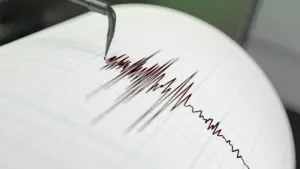
Earthquakes primarily occur due to the movement of tectonic plates beneath the Earth’s surface. When these plates grind against each other, they can become stuck due to friction. Over time, stress builds up and, when released, causes the ground to shake. This release of energy generates seismic waves, which can be felt over vast distances.
Recent Events: Earthquakes in 2023
In 2023, the world witnessed several significant earthquake events. One of the most notable was the 7.2-magnitude earthquake that struck the coast of Turkey in September, resulting in extensive damage to buildings and infrastructure. Following this event, rescue operations were launched, with teams working tirelessly to search for survivors amid the rubble. According to the United States Geological Survey (USGS), the region is prone to seismic activity, making it crucial for local authorities to improve preparedness measures.
The Impact of Earthquakes
The aftermath of an earthquake can be devastating. Buildings may collapse, roads can be destroyed, and essential services like water and electricity can be disrupted. Beyond physical destruction, earthquakes can also lead to significant economic losses and emotional distress for affected communities. For instance, the 2010 Haiti earthquake resulted in over 200,000 deaths and billions in damages, highlighting the long-term effects these disasters can have.
Preparedness and Safety Measures
To mitigate the effects of earthquakes, communities must implement effective preparedness strategies. These include developing emergency response plans, conducting regular drills, and ensuring buildings adhere to earthquake-resistant construction standards. Public education campaigns can also help individuals understand the importance of having disaster kits and knowing what to do during an earthquake.
Conclusion: The Significance of Earthquake Preparedness
As seismic activity remains a global concern, understanding earthquakes and preparing for them is essential for saving lives and minimizing destruction. With continued advancements in forecasting and preparedness strategies, communities can enhance their resilience against these natural disasters. By staying informed and proactive, people can better protect themselves and their loved ones from the unpredictable nature of earthquakes.