The Role of Weather Radar in Modern Meteorology
Introduction
Weather radar technology plays a crucial role in modern meteorology by providing real-time data on precipitation, storm movements, and severe weather events. Understanding how weather radar works is essential not only for meteorologists but also for the general public who depend on accurate weather forecasts for safety and preparation.
What is Weather Radar?
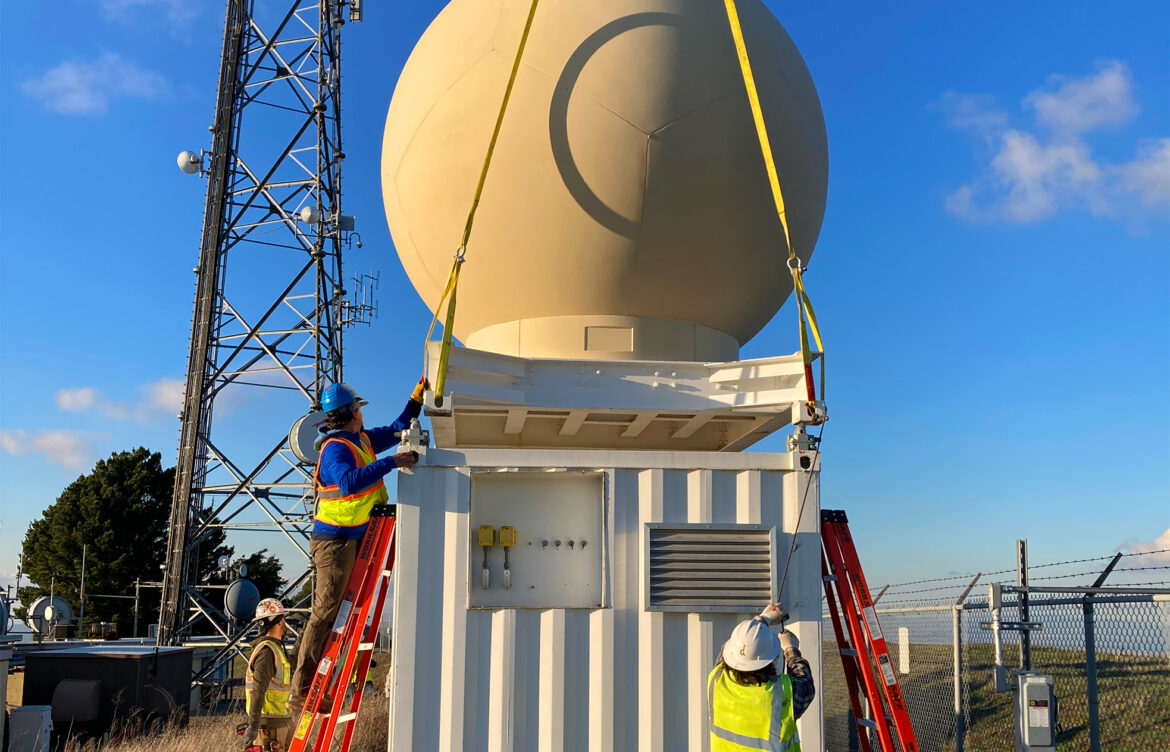
Weather radar uses radio waves to detect and map precipitation in the atmosphere, giving meteorologists valuable information about the intensity, location, and movement of storms. The technology operates by sending out a pulse of microwave energy that bounces off precipitation particles before returning to the radar dish. The time it takes for the signal to return, along with the frequency change, can determine the distance and speed of these particles. This data is then displayed on screens in the form of colorful precipitation maps, allowing meteorologists to analyze weather patterns more effectively.
Recent Developments in Weather Radar
As of October 2023, advancements in weather radar technology continue to evolve. For instance, researchers are integrating artificial intelligence algorithms to enhance data interpretation and predictive capabilities. These algorithms can analyze patterns and trends in historical data to forecast severe weather occurrences more accurately. Additionally, new radar systems are being deployed that can capture higher resolution images, resulting in improved monitoring of small-scale weather phenomena, such as tornadoes and flash floods.
Significance of Weather Radar in Weather Forecasting
The importance of weather radar extends to disaster preparedness and public safety. Timely and accurate weather forecasts can save lives, especially in severe weather events such as hurricanes, tornadoes, and thunderstorms. Organizations such as the National Weather Service (NWS) in the United States rely heavily on weather radar data to issue warnings and alerts. For example, during Hurricane Ian in 2022, enhanced radar systems provided crucial information that enabled timely evacuations for at-risk populations.
Conclusion
As climate patterns continue to change and extreme weather events become more common, the role of weather radar technology becomes increasingly vital. It enhances our ability to predict and respond to severe weather, making it an invaluable tool for meteorologists and emergency management agencies alike. As technological advancements continue to unfold, the potential for improved forecasting tools and safety measures will undoubtedly benefit communities around the globe.